SF6 Gas Reuse System Price Inquiry for Circuit Breaker Servicing
Date
2026-09-18
[email protected]
Website
www.sf6gasdetector.com
Get Solutions And Quotes
Contact Factory
SF6 Gas Reuse System Price Inquiry for Circuit Breaker Servicing
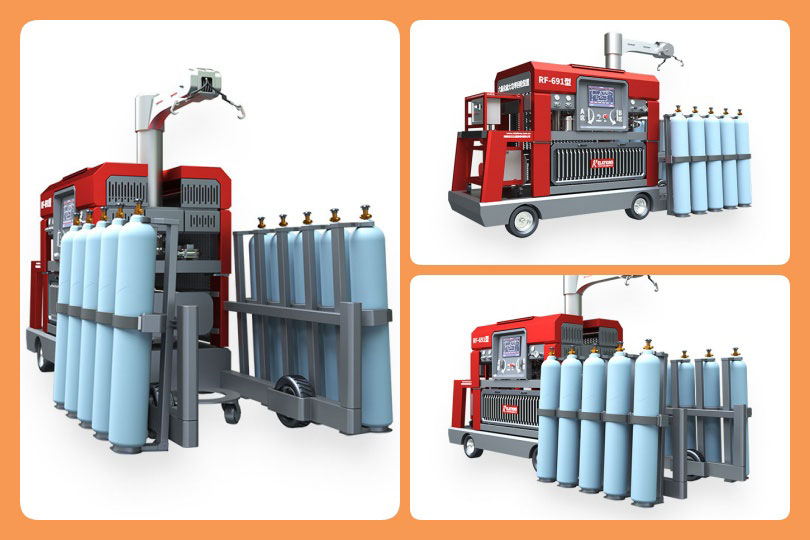
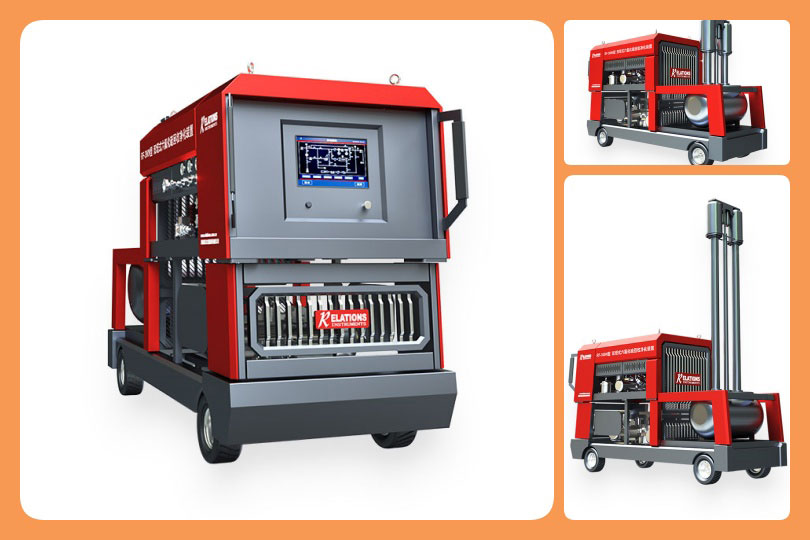
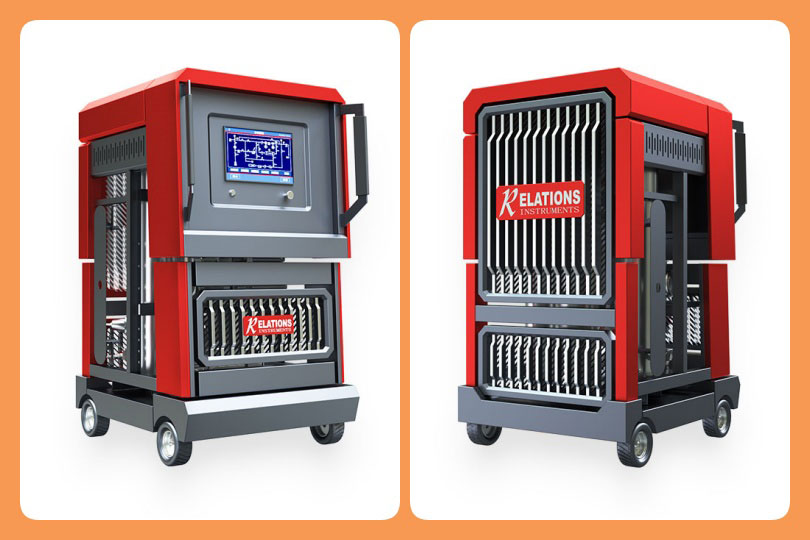
A price inquiry SF6 gas reuse system for circuit breaker servicing should be evaluated as more than a request for equipment cost. For utilities, substation maintenance contractors, and high-voltage switchgear manufacturers, an SF6 reuse system is a compliance-oriented asset that supports gas recovery, purification, storage, testing, and controlled refilling during circuit breaker maintenance. The final investment depends on gas-handling capacity, purification performance, automation level, storage configuration, and required documentation for environmental management.
When preparing a price inquiry SF6 gas reuse system for circuit breaker servicing, buyers should provide accurate service conditions, including circuit breaker voltage class, typical SF6 gas volume, annual maintenance frequency, and site power availability. This information helps suppliers recommend a system that is technically suitable without oversizing the equipment or compromising recovery efficiency.
Why SF6 Gas Reuse Systems Are Essential for Breaker Maintenance
SF6 is widely used in high-voltage circuit breakers because of its excellent dielectric strength and arc-quenching characteristics. However, SF6 is also a fluorinated greenhouse gas with a high global warming potential. Responsible handling is therefore essential during commissioning, inspection, repair, decommissioning, and gas reclamation work.
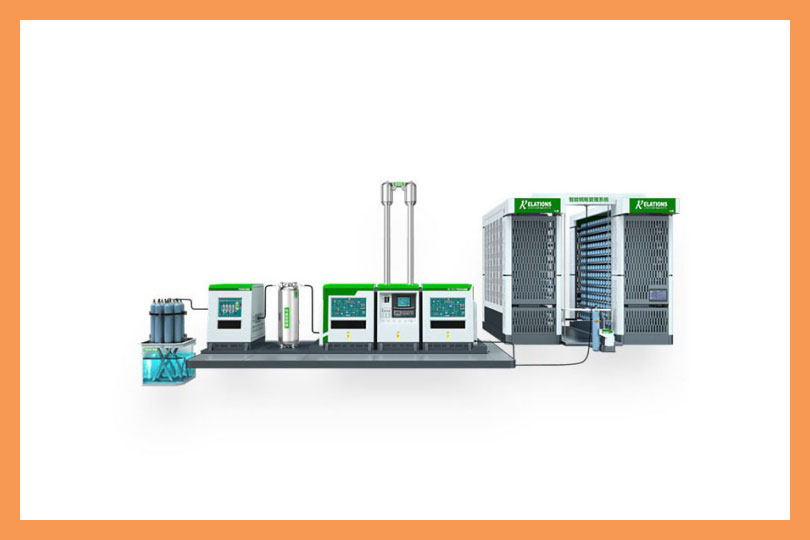
A professional SF6 gas reuse system enables maintenance teams to recover gas from circuit breakers, remove moisture and particulate contamination, separate certain decomposition by-products through suitable filtration media, and return qualified gas to service when it meets applicable technical requirements. This reduces gas loss, supports traceable maintenance practices, and helps operators control lifecycle costs.
For a reliable price inquiry SF6 gas reuse system for circuit breaker servicing, the equipment specification should be aligned with IEC 62271-4, which addresses handling procedures for SF6 and its mixtures in high-voltage equipment. Gas quality assessment should also consider the relevant criteria in IEC 60480 for reused SF6, while new gas supply specifications are commonly referenced against IEC 60376.
Main Factors Affecting SF6 Gas Reuse System Pricing
Recovery and Transfer Capacity
The recovery speed is usually one of the largest cost drivers in a price inquiry SF6 gas reuse system for circuit breaker servicing. Portable systems for routine field work may use moderate flow rates, while centralized maintenance workshops may require higher-capacity compressors and vacuum pumps for multiple breakers or larger gas compartments.
Typical selection considerations include:
- SF6 recovery rate in kg/h or m³/h
- Final evacuation vacuum level
- Maximum operating pressure
- Continuous-duty capability
- Compatibility with cylinders, storage tanks, or gas carts
- Required hose length and connection types
A system designed for a 145 kV circuit breaker service team will often have different capacity requirements from a unit intended for GIS maintenance or 420 kV breaker overhaul projects.
Purification and Gas Quality Control
Not every recovered gas volume can be reused without treatment and verification. In a detailed price inquiry SF6 gas reuse system for circuit breaker servicing, ask whether the system includes particulate filters, moisture removal, adsorption treatment, oil separation, and replaceable filter cartridges.
Purification modules are particularly important when servicing circuit breakers that have experienced frequent operations, leaks, moisture ingress, or internal fault events. Gas that has been exposed to electrical arcing may contain decomposition products that require controlled handling. The appropriate system should provide sealed recovery paths, suitable filtration, and safe replacement procedures for contaminated consumables.
Storage Configuration and Weighing Accuracy
Gas cylinders, integrated storage vessels, and weighing systems significantly affect the total project price. A basic mobile unit may transfer gas directly into approved cylinders, while advanced configurations include onboard storage tanks, digital scales, automatic filling cut-off, and gas inventory records.
For organizations managing multiple sites, traceable weighing is valuable because it supports gas balance calculations. It enables maintenance managers to document gas recovered, purified, reused, transferred, or sent for authorized disposal. This is a practical feature to discuss during a price inquiry SF6 gas reuse system for circuit breaker servicing, especially where internal environmental reporting is required.
Automation, Monitoring, and Data Records
Manual controls can be suitable for smaller service teams, but automated systems improve repeatability and reduce operator error. Advanced options may include PLC control, pressure monitoring, vacuum indication, automatic stop functions, alarm interlocks, and data export capabilities.
A higher level of automation may increase the initial purchase price, yet it can reduce labor time during repeated circuit breaker servicing. For contractors with strict quality-control procedures, electronic service records can also support customer acceptance documentation.
How to Prepare an Accurate Price Inquiry
A complete price inquiry SF6 gas reuse system for circuit breaker servicing should include the following operational details:
Circuit Breaker and Gas Information
- Circuit breaker type and rated voltage
- Approximate SF6 filling quantity per breaker
- Normal service pressure range
- Number of breakers serviced per month or year
- Expected gas condition: routine recovery, contaminated gas, or post-fault gas
- Required recovery, vacuum, purification, and refilling functions
Installation and Site Requirements
- Portable, vehicle-mounted, or workshop-based installation
- Available electrical supply and frequency
- Ambient temperature range
- Required mobility, hose routing, and cylinder handling method
- Local rules governing transport, storage, and waste management
Providing these parameters prevents unsuitable comparisons between low-capacity recovery carts and full SF6 reclamation systems. To streamline equipment selection, request a quick product quotation with your breaker gas volume, required recovery rate, and preferred configuration.
Scenario-Based System Selection
Routine Substation Circuit Breaker Maintenance
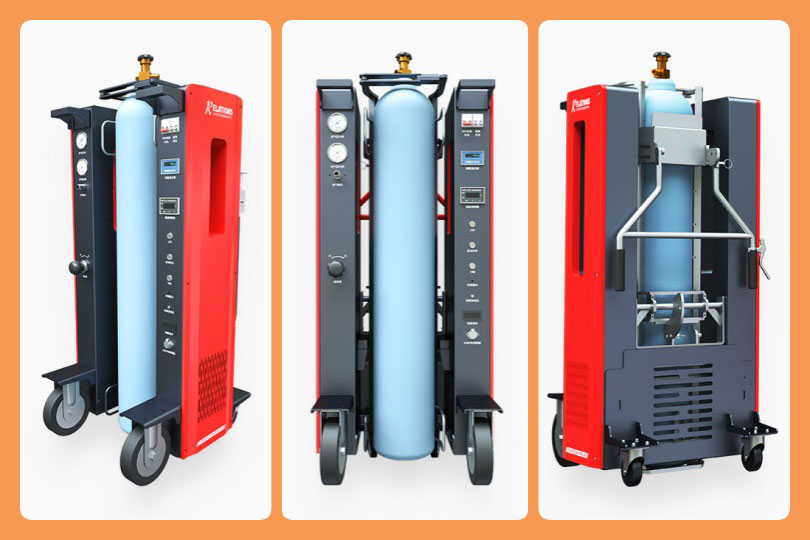
For routine inspections and seal replacement, a compact mobile reuse system is often appropriate. The priority is efficient gas recovery, evacuation, storage, and controlled refilling with minimal gas loss. A standard price inquiry SF6 gas reuse system for circuit breaker servicing for this scenario should focus on portability, reliable vacuum performance, accurate weighing, and robust field connections.
Regional Service Center or Maintenance Workshop
A regional workshop may process gas from numerous circuit breakers over extended maintenance cycles. In this case, buyers should consider a higher-capacity system with larger storage, enhanced purification, multiple cylinder connections, and automated control functions. The additional investment can be justified by faster turnaround and more consistent gas quality management.
Fault Investigation and Contaminated Gas Handling
Circuit breakers involved in interruption faults may require special gas handling due to moisture, particles, or decomposition products. The price inquiry SF6 gas reuse system for circuit breaker servicing should specify enhanced filtration, sealed handling arrangements, compatible safety procedures, and an approved route for materials that cannot be returned to service.
Compliance and Safe Operating Practice
An SF6 reuse system should be operated by trained personnel using documented procedures. In addition to IEC 62271-4 handling guidance, organizations should follow applicable occupational safety rules, local fluorinated-gas regulations, and cylinder transport requirements. Recovered gas should be tested before reuse, and gas that does not meet the relevant reuse criteria should not be refilled into high-voltage equipment.
Suppliers should be able to provide technical documentation, operating manuals, maintenance guidance, calibration information where applicable, and clear records of filtration components. For complex applications, one-on-one guidance from engineers can help define the correct recovery capacity, purification arrangement, and storage solution.
Frequently Asked Questions
What information is needed for a price inquiry SF6 gas reuse system for circuit breaker servicing?
Provide the SF6 quantity per circuit breaker, voltage class, expected maintenance volume, desired recovery speed, required purification level, available power supply, and whether the unit must be portable or stationary.
Can recovered SF6 always be reused?
No. Recovered SF6 must be assessed and, where necessary, treated before reuse. Its quality should be verified against the applicable technical requirements, including relevant guidance from IEC 60480.
Is a vacuum pump necessary for circuit breaker servicing?
Yes, evacuation is generally required before refilling to remove residual air and moisture from the gas compartment. The required final vacuum level depends on the equipment manufacturer’s procedure and the maintenance scope.
Does a lower-priced system always reduce operating costs?
Not necessarily. A low-cost unit may have limited recovery speed, insufficient purification, smaller storage capacity, or fewer monitoring functions. The best price inquiry SF6 gas reuse system for circuit breaker servicing balances initial cost, field productivity, gas-loss prevention, safety, and compliance requirements.