On-Site SF6 Gas Purification for High-Voltage Substations: Cut Downtime
Date
2026-09-20
[email protected]
Website
www.sf6gasdetector.com
Get Solutions And Quotes
Contact Factory
On-Site SF6 Gas Purification for High-Voltage Substations: Cut Downtime
On-Site SF6 Gas Purification Services for High-Voltage Substations
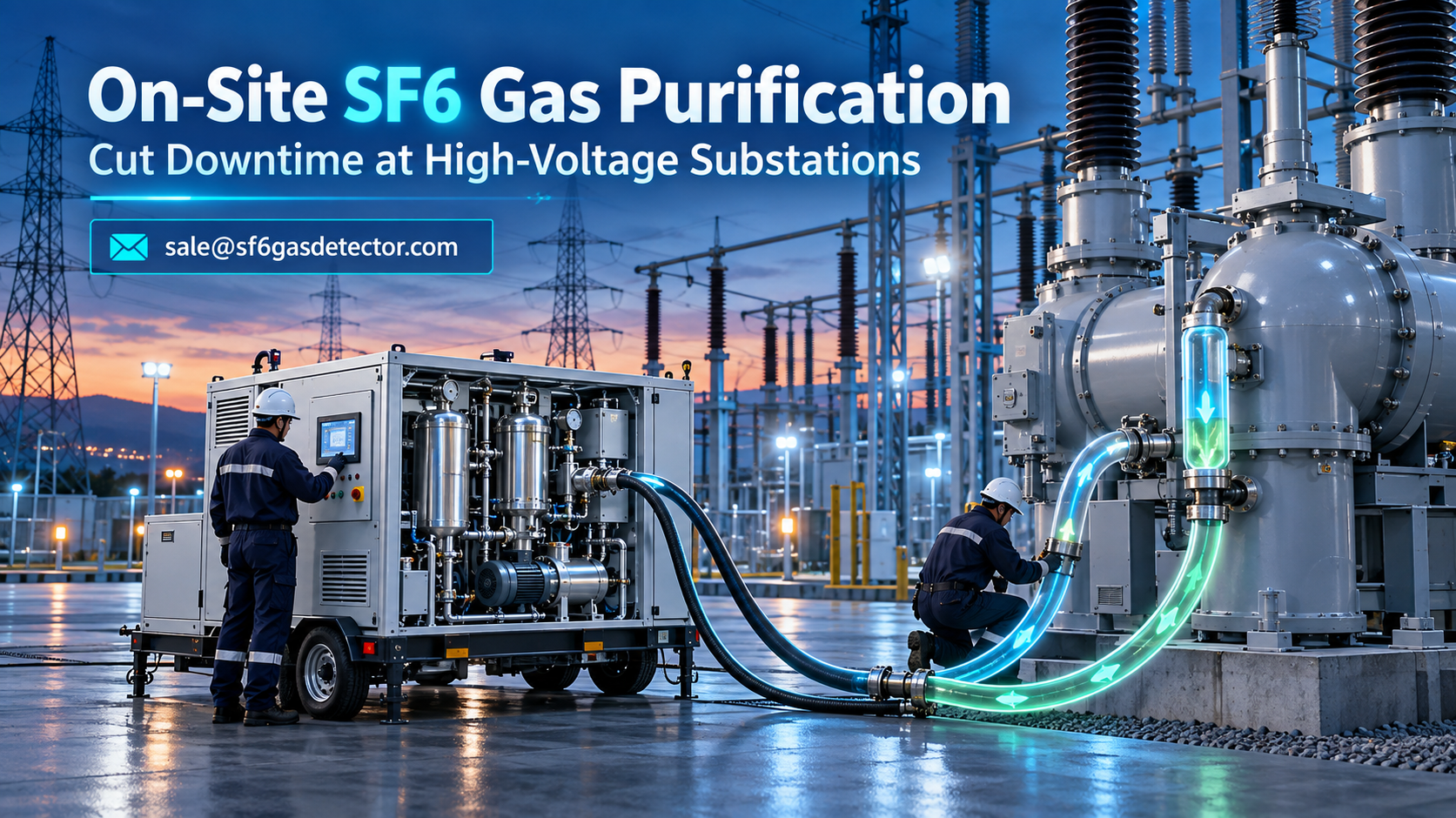
On-site SF6 gas purification services for high-voltage substations help utilities, transmission operators, and industrial power users restore the quality of sulfur hexafluoride used in gas-insulated switchgear (GIS), circuit breakers, gas-insulated lines, and related equipment. Rather than replacing all gas with new SF6, a controlled on-site process can remove moisture, air, particulate matter, and decomposition by-products while supporting asset reliability, maintenance efficiency, and environmental responsibility.
SF6 remains widely used in high-voltage applications because of its excellent dielectric strength and arc-quenching performance. However, contaminated or degraded gas can compromise insulation margins, accelerate corrosion, affect switching performance, and increase maintenance risk. Professional on-site SF6 gas purification services for high-voltage substations provide a practical route to assess gas condition, recover and treat usable SF6, and return the equipment to service in accordance with applicable technical requirements.
Why SF6 Gas Quality Matters in Substation Operations
High-voltage equipment depends on stable gas pressure, suitable moisture levels, and controlled impurity concentrations. Over time, SF6 can be affected by leaks, incomplete evacuation, air ingress, moisture migration, internal arcing, and operational by-products. These factors may reduce the gas’s dielectric performance and create corrosive compounds inside sealed compartments.
On-site SF6 gas purification services for high-voltage substations are particularly valuable during scheduled outages, fault investigations, GIS extensions, breaker overhauls, and post-repair recommissioning. A properly planned service reduces unnecessary gas disposal while providing documented evidence of gas condition and handling activities.
Common Sources of SF6 Contamination
Typical contamination sources include:
- Moisture introduced during equipment opening, assembly, or insufficient vacuum drying
- Air ingress through seals, valves, fittings, or damaged enclosures
- Solid particles generated during installation or mechanical wear
- Arc-interruption by-products produced in circuit breakers
- Cross-contamination from hoses, cylinders, or improperly maintained recovery equipment
Each source requires a different response. For example, moisture may be addressed through vacuum treatment and adsorption, while severe arcing by-products require enhanced safety controls, filtration, and residue handling procedures.
What Professional On-Site Purification Includes
Effective on-site SF6 gas purification services for high-voltage substations are not simply gas transfer operations. They involve a documented workflow that protects personnel, equipment, and the environment.
1. Pre-Service Assessment and Gas Analysis
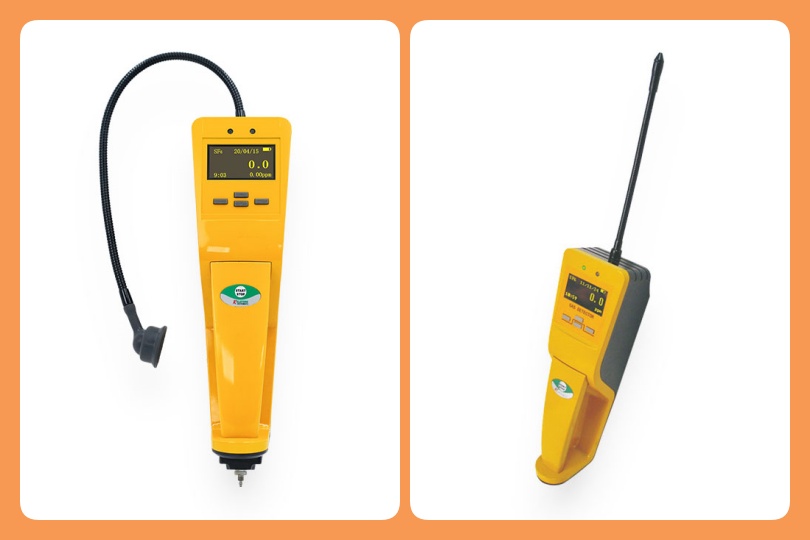
Before gas recovery begins, technicians review equipment records, gas compartment identification, pressure conditions, maintenance history, and the reason for service. Portable analyzers can assess key quality indicators such as SF6 concentration, dew point or moisture content, and selected decomposition products.
Testing should be performed using calibrated instruments and sampling methods that avoid introducing ambient air into the system. Results are compared with the asset owner’s acceptance criteria, manufacturer instructions, and relevant industry guidance.
2. Recovery, Filtration, and Purification
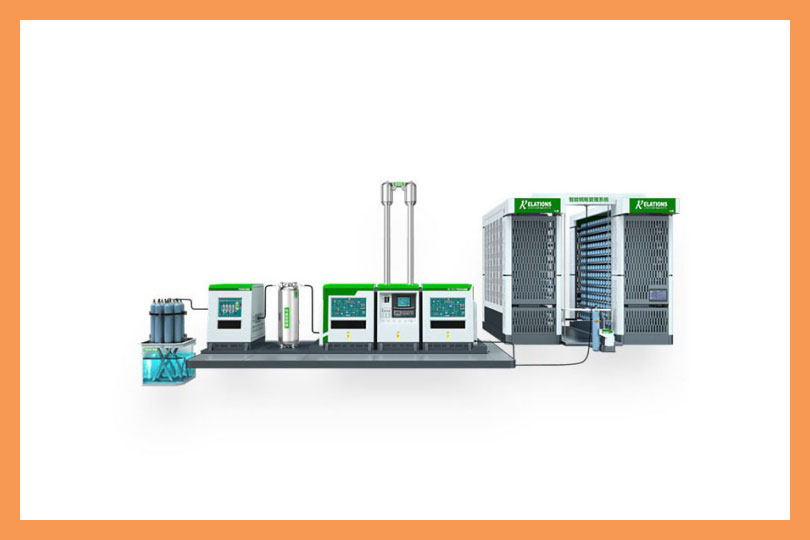
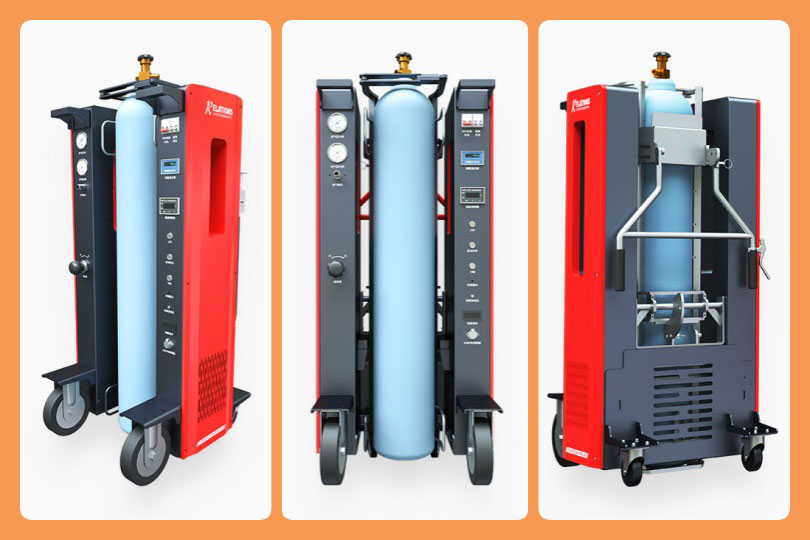
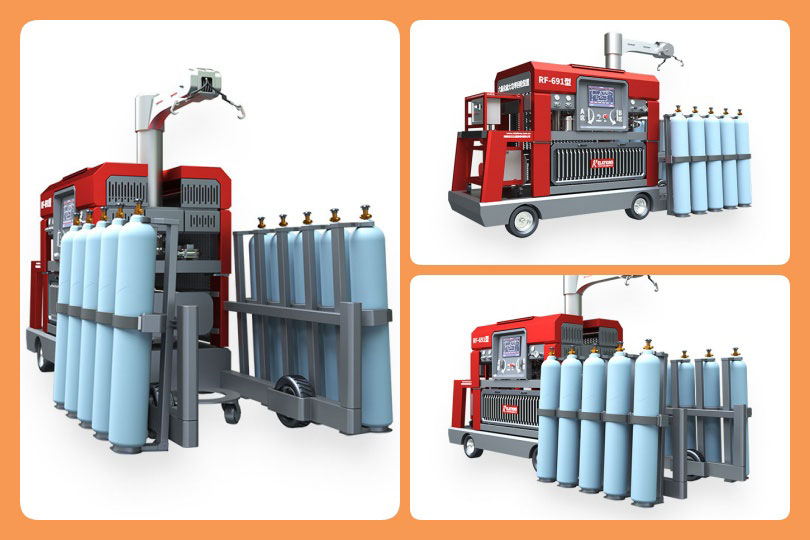
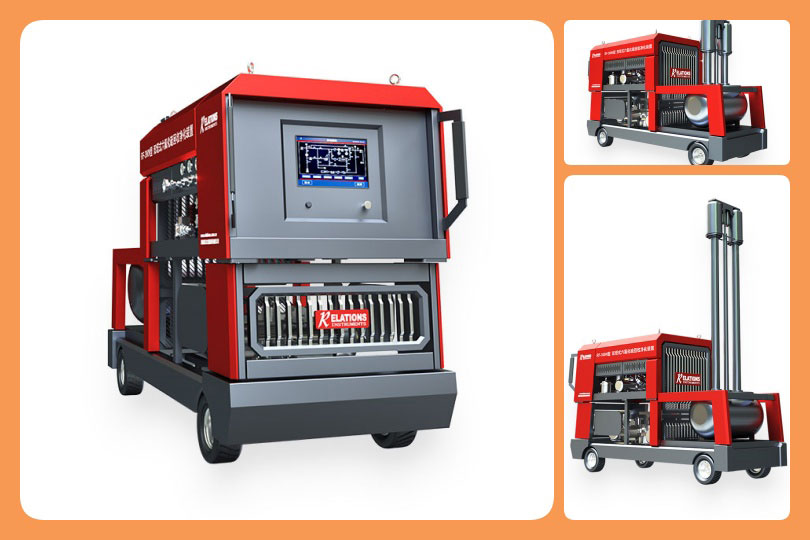
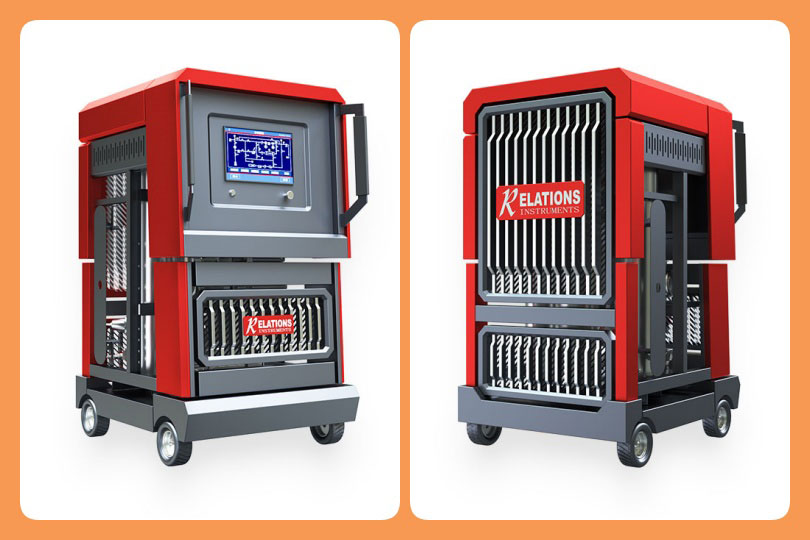
During on-site SF6 gas purification services for high-voltage substations, gas is transferred through closed-loop recovery equipment. The purification train commonly includes particulate filters, moisture-removal media, and adsorption stages designed to reduce contaminants and decomposition products.
The equipment should be capable of achieving deep evacuation where required and preventing emissions during connection, recovery, and refilling. All hoses, couplings, and storage vessels must be rated for SF6 service and maintained to prevent cross-contamination.
3. Quality Verification and Controlled Refill
After treatment, purified gas is retested before reuse. If it meets the approved specification, it can be returned to the designated compartment under controlled pressure and temperature conditions. If the gas cannot be restored to acceptable quality, it should be segregated for authorized reclamation or disposal rather than mixed with reusable stock.
For projects involving multiple gas zones or large GIS installations, traceable cylinder labeling and compartment-specific records are essential. This prevents mixing gas of different quality grades and supports future maintenance planning.
Standards, Compliance, and Environmental Responsibility
Reputable on-site SF6 gas purification services for high-voltage substations should follow recognized international practices for gas quality, handling, and emissions control. Important references include IEC 60480 for the reuse and handling of SF6 in electrical equipment, IEC 60376 for new technical-grade SF6, and the relevant IEC 62271 series for high-voltage switchgear applications.
Service procedures should also align with site-specific environmental rules, occupational health requirements, and local regulations governing fluorinated greenhouse gases. SF6 has a high global warming potential, so avoiding avoidable releases is a core operational requirement—not merely an environmental preference.
Technicians should use appropriate personal protective equipment when handling decomposition products, which may be hazardous in certain faulted-equipment scenarios. Work areas should be ventilated, residues should be contained, and contaminated filters or absorbents should be managed through approved waste channels.
For planned outages or urgent gas-quality concerns, request a product quotation with equipment type, gas volume, voltage level, and site location to support accurate service planning.
Scenario-Based Applications for Substation Owners
GIS Maintenance After Long-Term Operation
A utility operating aging GIS may identify elevated moisture during routine condition monitoring. On-site SF6 gas purification services for high-voltage substations allow the operator to recover the existing gas, dry and filter it, perform compartment evacuation, and refill the system after verification. This approach can reduce downtime and avoid unnecessary replacement of recoverable gas.
Circuit Breaker Overhaul Following Frequent Switching
Circuit breakers subjected to frequent load switching or fault interruption may contain increased decomposition by-products. In this case, the service scope should include enhanced filtration, safe handling of internal residues, post-service gas analysis, and inspection of adsorbers where applicable.
New GIS Extension or Equipment Relocation
During a substation expansion, equipment may be opened, transported, or connected to new bays. On-site purification supports clean gas transfer, controlled vacuum drying, and commissioning-quality refill procedures. This minimizes the risk of air or moisture being trapped in the newly configured system.
Selecting a Qualified SF6 Service Provider
Choose a provider with trained personnel, calibrated gas analyzers, closed-loop recovery units, traceable records, and experience with the voltage class and equipment type at your site. The provider should clearly define sampling points, acceptance criteria, purification capability, evacuation targets, and reporting deliverables.
A complete service report should normally include initial and final gas-analysis results, gas quantity recovered and refilled, equipment identification, vacuum records where applicable, filter changes, cylinder traceability, and any nonconformities identified during the work.
For technically complex GIS, contaminated-gas assessments, or shutdown planning, obtain one-on-one guidance from engineers before mobilization to define the safest and most efficient service method.
Frequently Asked Questions
Can purified SF6 be reused in high-voltage equipment?
Yes, provided the gas is tested and confirmed to meet the applicable reuse criteria, equipment manufacturer requirements, and site acceptance standards. Gas that cannot be restored to specification should be handled through authorized reclamation or disposal channels.
How often are on-site SF6 gas purification services needed?
The frequency depends on equipment condition, maintenance strategy, leakage history, switching duty, and gas-analysis results. Many operators use condition-based testing rather than a fixed purification interval.
Does purification eliminate the need for leak detection?
No. Purification improves gas quality but does not repair leaking seals, valves, flanges, or enclosures. Leak investigation and repair should be completed before refilling to prevent future losses.
What information is needed before scheduling service?
Provide the equipment type, voltage rating, gas compartment volume, current gas pressure, known fault or maintenance history, available outage window, and previous gas-analysis data. This information enables safe, efficient on-site SF6 gas purification services for high-voltage substations.