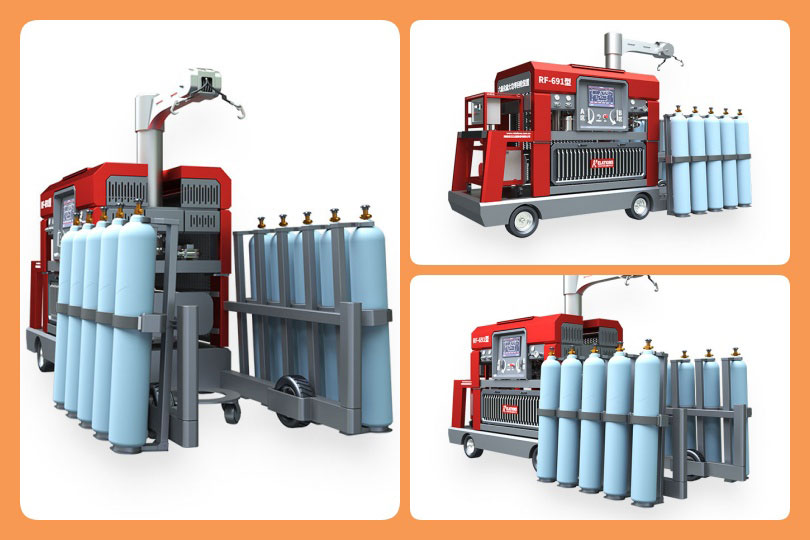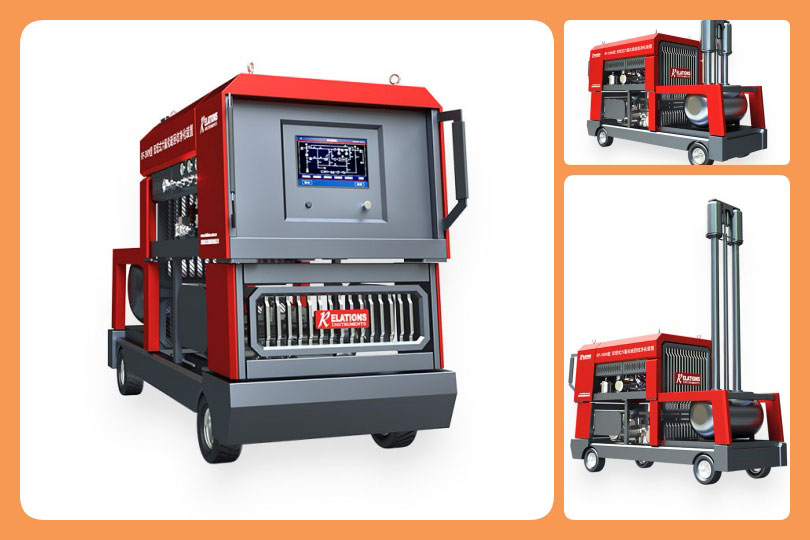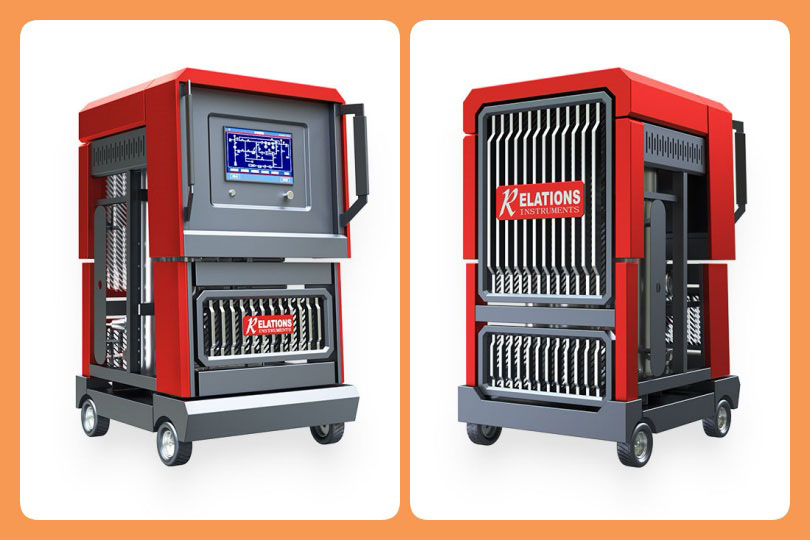
Portable SF6 Recovery Unit for Circuit Breaker Leak Repair and Maintenance
Date
2026-10-28
[email protected]
Website
www.sf6gasdetector.com
Get Solutions And Quotes
Contact Factory
Portable SF6 Recovery Unit for Circuit Breaker Leak Repair and Maintenance
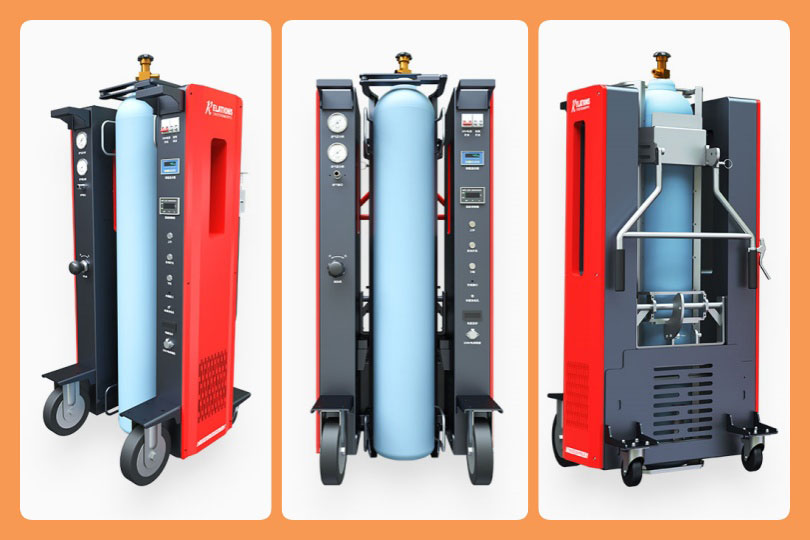
A portable SF6 recovery unit for circuit breaker leak repair and maintenance is an essential service tool for utilities, transmission operators, industrial plants, and electrical maintenance contractors working with SF6-insulated high-voltage equipment. It enables technicians to safely recover sulfur hexafluoride gas before opening a circuit breaker, locating a leak, replacing seals, or completing internal maintenance. By recovering and storing gas in approved cylinders, the equipment supports environmental compliance, reduces SF6 losses, and helps return circuit breakers to service efficiently.
SF6 remains widely used in gas-insulated circuit breakers because of its excellent dielectric strength and arc-quenching performance. However, SF6 also has a very high global warming potential, so responsible handling is critical. A reliable portable SF6 recovery unit for circuit breaker leak repair and maintenance helps organizations meet practical maintenance requirements while following recognized gas-handling standards.
Why SF6 Recovery Is Required During Circuit Breaker Service
Circuit breaker leak repair often involves opening gas compartments, replacing O-rings, servicing density monitors, repairing valves, or inspecting interrupter assemblies. Before these tasks can begin, SF6 gas must be removed from the affected compartment in a controlled manner.
A portable recovery system typically performs four key functions:
- Recovers SF6 from the circuit breaker into a storage cylinder
- Creates vacuum conditions before equipment opening or refilling
- Filters moisture, particles, and selected decomposition by-products
- Transfers recovered gas for reuse, reclamation, or compliant disposal
Using a portable SF6 recovery unit for circuit breaker leak repair and maintenance prevents uncontrolled gas emissions and improves job-site safety. It also minimizes the cost associated with purchasing replacement SF6 after every maintenance event.
Environmental and Regulatory Considerations
SF6 handling procedures should align with applicable national and local environmental requirements, as well as established technical guidance such as IEC 62271-4 for the handling of SF6 in high-voltage equipment. In the United States, organizations may also need to comply with EPA reporting and emissions-management requirements where applicable. European operators must consider F-gas regulations and local implementation rules.
A properly designed portable SF6 recovery unit for circuit breaker leak repair and maintenance supports responsible gas management by reducing residual gas in the breaker compartment and enabling accurate cylinder-based storage. Documentation of gas recovered, reused, reclaimed, or sent for disposal is also an important part of a compliant maintenance program.
Essential Technical Parameters to Evaluate
Not all recovery equipment is suitable for every breaker type or field-service condition. Selecting the right portable unit requires a review of gas volume, pressure range, mobility, recovery speed, and purification requirements.
Recovery Capacity and Final Vacuum
Recovery capacity is usually expressed in kilograms per hour or cubic meters per hour. Larger dead-tank breakers and GIS-related compartments require higher throughput, while medium-voltage equipment may be serviced effectively with lower-capacity systems.
Final vacuum performance is equally important. A recovery unit should achieve a sufficiently low residual pressure before the compartment is opened or filled with dry gas. The required vacuum level should be determined by the equipment manufacturer, site procedure, and applicable industry standard.
Gas Purification and Moisture Control
During leak repair and maintenance, recovered gas may contain moisture, air, particles, or decomposition products caused by switching operations or internal arcing. A quality portable SF6 recovery unit for circuit breaker leak repair and maintenance may include replaceable filters, molecular sieve dryers, particulate filtration, and optional handling accessories for contaminated SF6.
For critical equipment, gas quality should be verified before reuse. Common testing parameters include SF6 purity, dew point or moisture concentration, air content, and decomposition by-products. IEC 60480 provides widely recognized guidance concerning the reuse and treatment of SF6 taken from electrical equipment.
Portability and Field Reliability
Field maintenance may occur in substations with limited access, uneven surfaces, restricted indoor spaces, or remote locations. Portable units should have durable frames, lockable wheels, protected gauges, clearly marked valves, and serviceable filtration components. A compact design improves deployment speed without compromising recovery performance.
Power supply compatibility is another practical consideration. Depending on the site, technicians may require a unit configured for common single-phase or three-phase industrial power supplies. Motor protection, pressure relief devices, and emergency stop controls should be included as standard safety features.
Scenario-Based Applications
A portable SF6 recovery unit for circuit breaker leak repair and maintenance is valuable across a range of service situations.
Repairing a Flange or O-Ring Leak
When an SF6 leak is identified at a flange, bushing interface, pressure relief device, or inspection cover, the affected gas compartment must be isolated and evacuated. The recovery unit transfers the gas to an approved cylinder, allowing technicians to depressurize the compartment safely. After replacement of the sealing component, the breaker can be vacuumed, leak-tested, and refilled with tested SF6.
Replacing a Density Monitor or Filling Valve
Density monitors and filling valves are common maintenance items. Because they connect directly to the gas system, replacement should never be performed on a pressurized compartment unless the manufacturer’s approved procedure explicitly permits it. A portable recovery system allows controlled gas removal, prevents atmospheric release, and helps maintain clean, dry internal conditions after reassembly.
Scheduled Preventive Maintenance
During planned outage work, technicians may recover SF6 before internal inspection, contact wear assessment, mechanism overhaul, or contamination investigation. The portable SF6 recovery unit for circuit breaker leak repair and maintenance supports a repeatable workflow: recover, evacuate, repair, test, refill, and document. This approach reduces outage risk and improves maintenance traceability.
Recommended Operating Procedure
Safe SF6 recovery requires trained personnel, calibrated instruments, and equipment-specific procedures. A typical process includes:
- Confirm circuit breaker isolation, lockout/tagout status, and zero-energy conditions.
- Identify the gas compartment, rated pressure, expected gas quantity, and cylinder capacity.
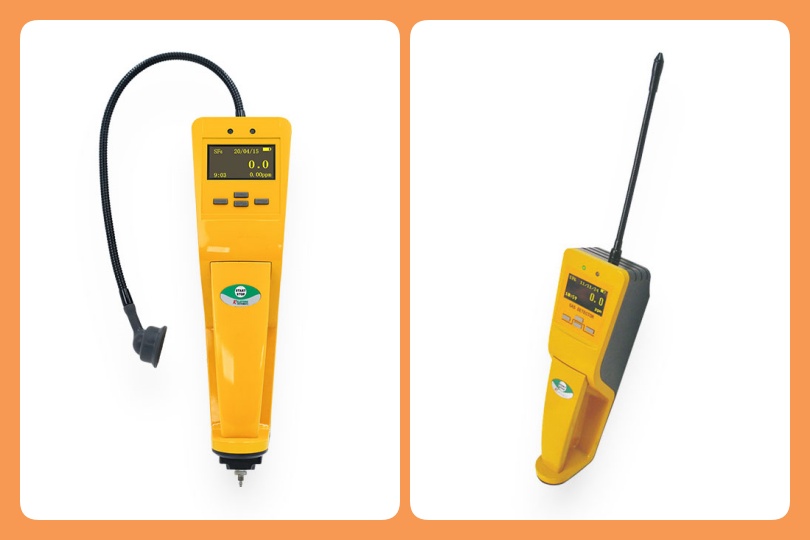
- Perform an initial leak assessment using an appropriate SF6 leak detector.
- Connect clean, rated hoses with self-sealing couplings to minimize gas loss.
- Recover SF6 into a compatible, approved storage cylinder without exceeding allowable fill limits.
- Evacuate the compartment to the required residual pressure.
- Complete the mechanical repair, then pressure-test and leak-test the repaired area.
- Vacuum-dry the compartment if required and refill with verified-quality SF6.
- Record gas quantities, test results, repair details, and final leakage status.
Personnel should wear suitable PPE and follow site controls for handling contaminated gas. If arcing-related decomposition products are suspected, additional respiratory protection, waste controls, and decontamination procedures may be required.
Frequently Asked Questions
Can recovered SF6 be reused after circuit breaker leak repair?
Yes, provided the gas meets applicable quality requirements after testing or treatment. SF6 purity, moisture, air content, and decomposition products should be evaluated according to the maintenance specification and guidance such as IEC 60480. Gas that does not meet reuse criteria should be sent to an authorized reclamation or disposal provider.
How much SF6 can a portable recovery unit recover?
Capacity depends on the unit’s compressor performance, storage-cylinder size, breaker pressure, ambient temperature, and hose configuration. Manufacturers normally specify recovery rates in kilograms per hour or volume per hour. Select a unit based on the largest circuit breaker gas compartment expected in routine service.
Is a vacuum pump necessary after SF6 recovery?
In most maintenance applications, yes. Vacuum evacuation removes residual gas and moisture before opening, testing, or refilling the compartment. The required vacuum level must follow the circuit breaker manufacturer’s instructions and the organization’s approved maintenance procedure.
What makes a portable SF6 recovery unit suitable for field service?
The best field-service units combine reliable recovery performance with compact dimensions, durable wheels, protected controls, compatible power options, quality filtration, and safe cylinder connections. A well-specified portable SF6 recovery unit for circuit breaker leak repair and maintenance improves environmental performance, shortens outages, and supports consistent high-voltage maintenance practices.