SF6 Leakage Alarm Maintenance Requirements for GIS Substations
Date
2026-10-28
[email protected]
Website
www.sf6gasdetector.com
Get Solutions And Quotes
Contact Factory
SF6 Leakage Alarm Maintenance Requirements for GIS Substations
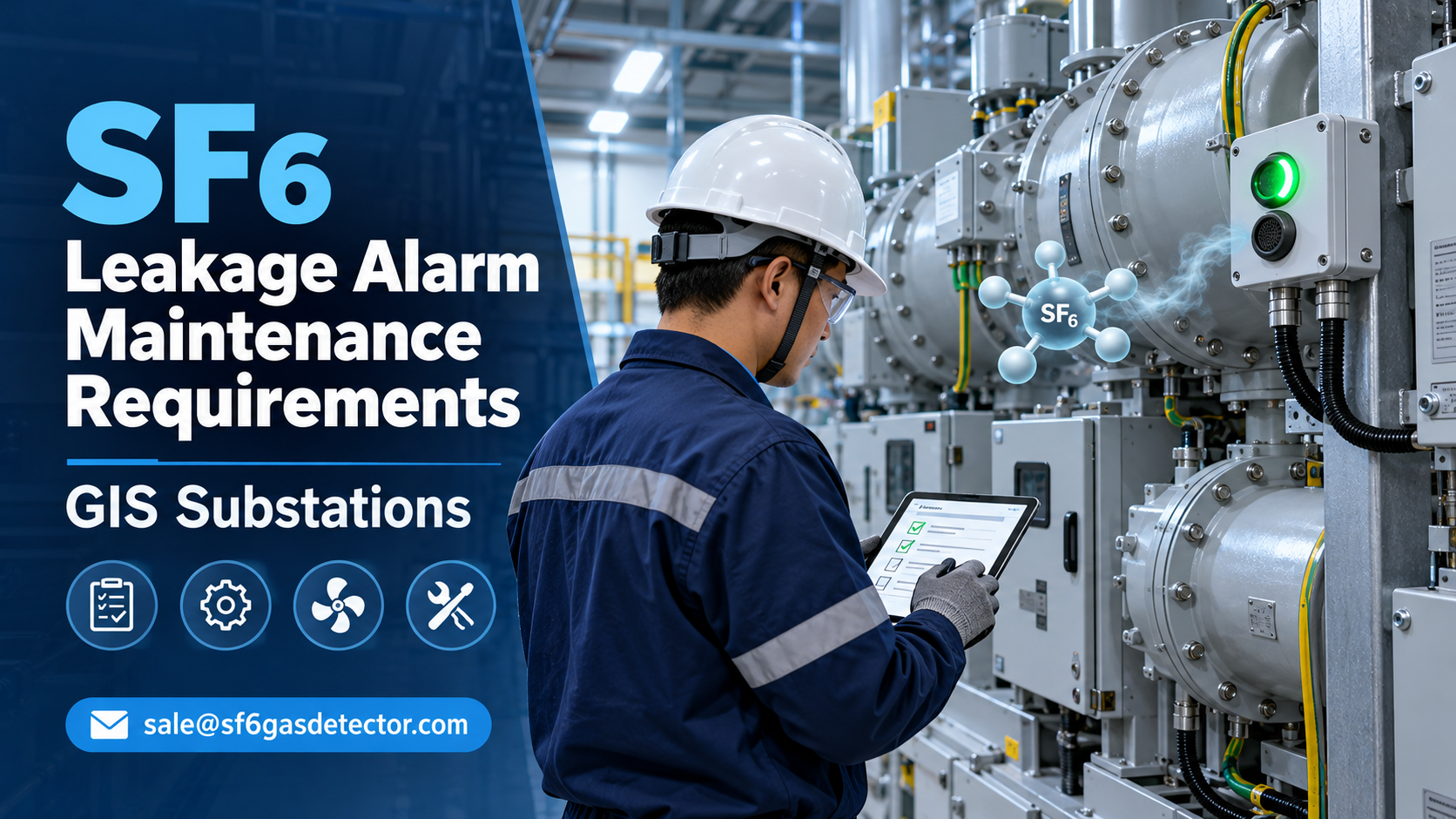
Gas-insulated switchgear (GIS) substations rely on sulfur hexafluoride (SF6) to provide high dielectric strength and dependable arc-quenching performance in compact high-voltage equipment. However, even small SF6 losses can indicate deteriorating seals, damaged enclosures, loose fittings, or internal equipment defects. Effective SF6 leakage alarm system maintenance requirements for GIS substations are therefore essential for protecting personnel, maintaining asset reliability, supporting environmental compliance, and preventing unplanned outages.
A properly maintained alarm system provides early warning when SF6 concentration rises in enclosed spaces or when gas density declines within GIS compartments. Maintenance must combine functional testing, calibration, preventive inspection, documented records, and compliance with applicable IEC, ISO, and local safety regulations.
Why SF6 Leakage Alarm System Maintenance Matters
SF6 is nonflammable and chemically stable under normal operating conditions, but it is a potent greenhouse gas. In confined or poorly ventilated GIS rooms, leaked SF6 may displace oxygen and create an asphyxiation hazard. Following internal arcing, decomposed SF6 by-products may also present corrosive or toxic risks that require controlled handling procedures.
The primary objectives of an SF6 leakage monitoring system are to:
- Detect elevated SF6 gas concentrations in occupied or enclosed areas.
- Alarm operators before oxygen displacement becomes hazardous.
- Identify abnormal gas loss from GIS compartments.
- Activate ventilation, annunciation, or remote supervisory signals where configured.
- Support timely maintenance before insulation performance is compromised.
- Provide auditable evidence of environmental and safety management.
Meeting SF6 leakage alarm system maintenance requirements for GIS substations helps operators minimize gas emissions while improving the availability of critical transmission and distribution assets.
Key Components Requiring Routine Attention
An SF6 leakage alarm system normally includes fixed gas detectors, SF6 density monitors, alarm panels, audible and visual indicators, ventilation interlocks, communication modules, and power supplies. Each component should be included in the site preventive maintenance program.
Fixed SF6 Gas Detectors
Fixed detectors are commonly installed at low points in GIS buildings, cable basements, pits, trenches, and other locations where heavier-than-air SF6 may accumulate. Maintenance personnel should inspect sensor housings for dust, moisture, corrosion, physical damage, blocked air inlets, and loose wiring.
Detector placement should reflect the room layout, ventilation pattern, gas compartment locations, and potential leak paths. A detector installed too far from a likely leakage point or within a strong ventilation stream may provide delayed or unreliable indication.
Density Monitors and Pressure Sensors
GIS density monitors supervise the gas condition within sealed compartments. They are typically configured with multiple thresholds, such as low-gas alarm and lockout levels. Technicians should verify that pressure or density values are correctly temperature-compensated and consistent with the manufacturer’s specified filling pressure.
Where applicable, inspect gas piping, valves, flange connections, density relay interfaces, and electrical terminal connections. Any unexplained pressure trend should be investigated promptly rather than simply resetting an alarm.
Alarm Panels and Ventilation Interlocks
The alarm panel must be checked for correct local annunciation, remote SCADA indication, alarm logging, fault status, and power supply health. Functional testing should confirm that the required alarm condition activates audible beacons, warning lamps, ventilation fans, access restrictions, or emergency response signals.
For GIS substations with automatic ventilation, test the complete cause-and-effect sequence. This includes detector activation, fan start command, fan operation feedback, alarm acknowledgement, and restoration to normal status.
Recommended Maintenance Intervals
Specific intervals should follow the GIS manufacturer’s instructions, detector manufacturer recommendations, site risk assessment, and national regulations. The following schedule is widely used as a practical baseline.
Daily or Remote Operational Review
Operators should review SCADA alarms, density trends, communication status, and equipment fault indications. A sudden density reduction, repeated intermittent alarm, or detector fault requires immediate assessment.
Monthly Visual Inspection
Perform a visual inspection of detector locations, alarm panels, ventilation equipment, warning signs, and accessible GIS gas connections. Confirm that no construction work, stored materials, or temporary barriers obstruct detector airflow or ventilation paths.
Quarterly Functional Testing
Test alarm outputs using the manufacturer-approved procedure. Verify local alarms, remote indications, ventilation interlocks, and emergency response notifications. Do not use uncontrolled SF6 releases for testing; approved test gases, simulators, or calibration tools should be used.
Semiannual or Annual Calibration
Most fixed gas detectors require periodic calibration or bump testing, depending on sensor technology and environmental conditions. Calibration should use traceable reference gas and documented test equipment. Record as-found readings, adjustment values, pass/fail status, technician identity, and the next due date.
Density relays, gauges, and pressure transmitters should be verified according to manufacturer requirements and the substation maintenance plan. Any instrument outside tolerance should be recalibrated, repaired, or replaced.
Compliance Standards and Documentation Requirements
Reliable maintenance programs align with recognized standards and management systems. Relevant references may include IEC 62271 series requirements for high-voltage switchgear, IEC 60376 for technical-grade SF6, IEC 60480 for handling and reuse of SF6, and IEC 62271-4 for handling procedures involving SF6 and its mixtures. Environmental programs may also be supported by ISO 14001, while occupational safety controls can align with ISO 45001.
The exact legal requirements vary by jurisdiction. In Europe, operators must also consider applicable fluorinated greenhouse gas regulations. In all regions, maintenance procedures should follow the equipment manufacturer’s approved instructions and site safety rules.
A complete maintenance record should include:
- GIS bay, room, detector, and sensor identification numbers.
- Inspection and calibration dates.
- Gas concentration or density readings.
- Alarm setpoints and test outcomes.
- Reference gas certificate details and calibration equipment status.
- Corrective actions, repair details, and leak investigation findings.
- SF6 recovery, reuse, and disposal records where gas handling occurred.
These records demonstrate compliance with SF6 leakage alarm system maintenance requirements for GIS substations and support root-cause analysis when abnormal events occur.
Scenario-Based Response to Common Problems
Repeated Low-Density Alarm in One GIS Compartment
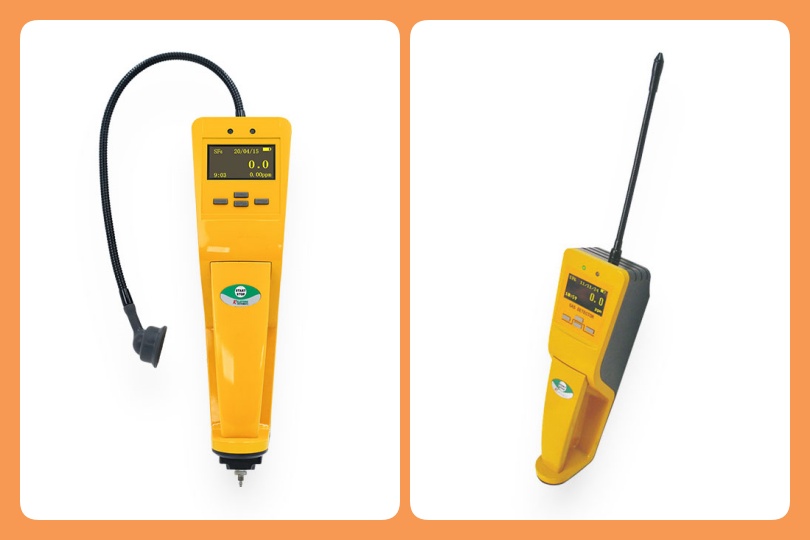
A recurring low-density alarm may indicate a genuine leak, temperature-related pressure variation, faulty density compensation, or a defective relay. First, compare the alarm trend with ambient temperature and adjacent compartments. Then perform leak detection using approved methods, such as electronic SF6 leak detectors or appropriate gas analysis techniques. Do not refill the compartment without identifying and documenting the cause.
High SF6 Concentration Alarm in the GIS Room
When a fixed detector activates, restrict access to the affected area, initiate ventilation, and follow the site emergency procedure. Personnel entering the room should use appropriate gas monitoring and protective measures. Inspect likely leak points only after atmospheric conditions are verified as safe. The event should be recorded, investigated, and followed by detector functional confirmation.
Detector Fault or Calibration Failure
A sensor fault, expired calibration, unstable reading, or failed bump test should be treated as an impaired safety function. Apply compensating controls, such as portable monitoring and increased inspection frequency, until the detector is restored. Replace sensors only with approved parts compatible with the installed alarm system.
Frequently Asked Questions
How often should an SF6 leakage alarm system be calibrated?
Most systems require calibration or functional verification every six to twelve months, depending on sensor type, environmental conditions, manufacturer guidance, and site risk level. High-risk enclosed GIS rooms may justify more frequent checks.
Can portable SF6 detectors replace fixed alarm systems?
Portable detectors are valuable for maintenance inspections and leak localization, but they do not normally replace fixed detection in continuously occupied or enclosed areas. Fixed systems provide continuous monitoring, alarm annunciation, and automatic ventilation interlocks.
What should be done after an SF6 leak is identified?
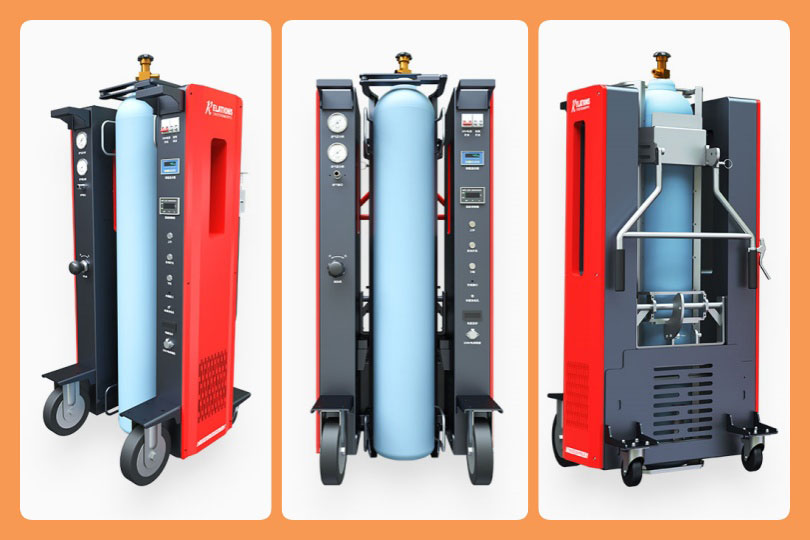
Isolate the affected equipment where operationally feasible, locate the leak using approved methods, recover gas with certified handling equipment, repair the defect, conduct leak verification, refill to the specified density, and update all maintenance and emissions records.
Why are documented maintenance records important?
Records prove that SF6 leakage alarm system maintenance requirements for GIS substations have been completed, support regulatory compliance, reveal recurring defects, and help asset managers plan repairs before a minor gas loss develops into a reliability or safety event.