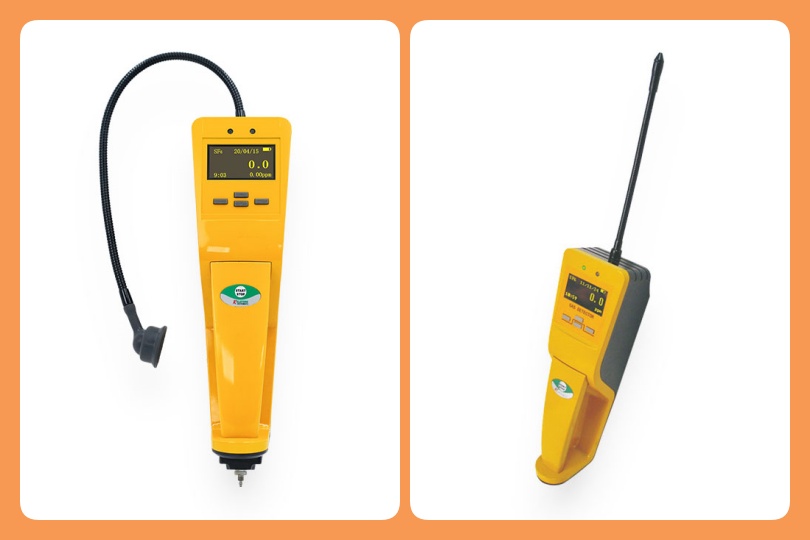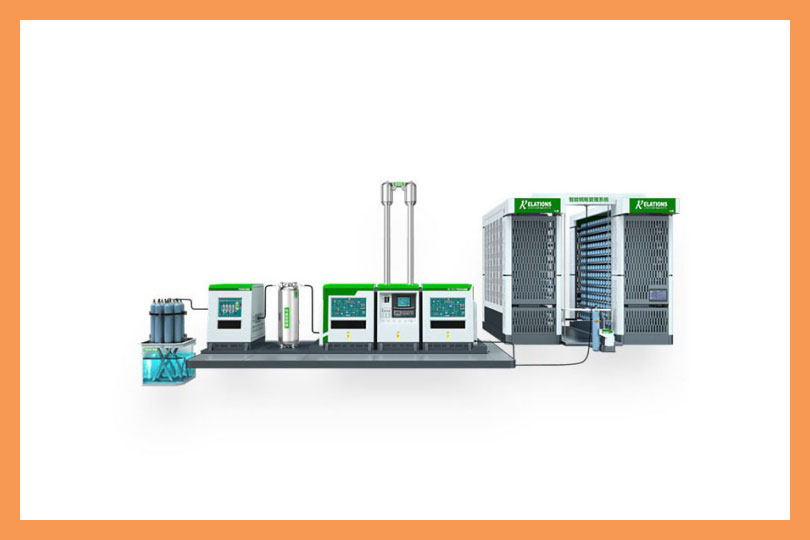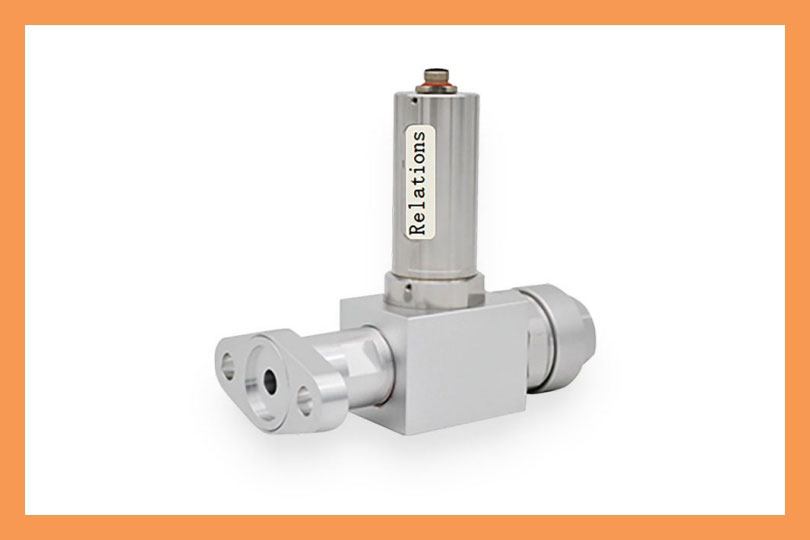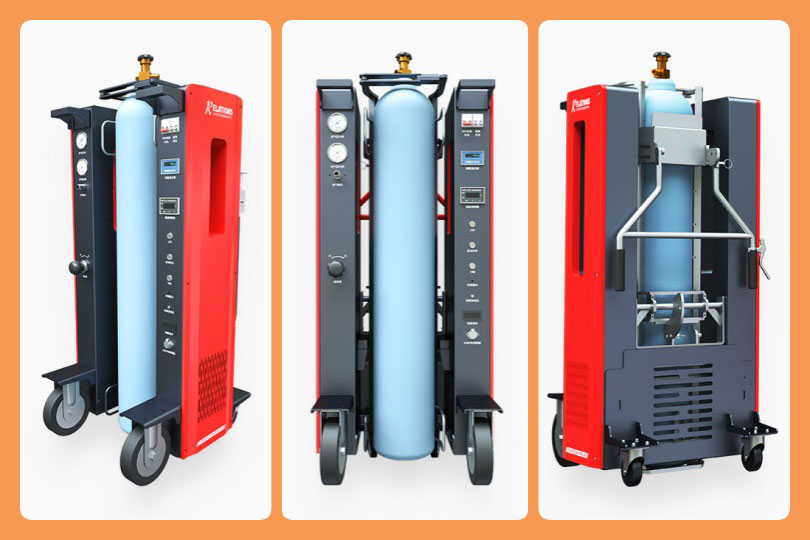
Price Inquiry SF6 Gas Analyser for High Voltage Circuit Breakers: A Practical Buying Guide
Date
2026-08-18
[email protected]
Website
www.sf6gasdetector.com
Get Solutions And Quotes
Contact Factory
Price Inquiry SF6 Gas Analyser for High Voltage Circuit Breakers: A Practical Buying Guide
A price inquiry SF6 gas analyser is often the first step for utilities, substation operators, circuit-breaker manufacturers, and maintenance contractors preparing to purchase diagnostic equipment for high-voltage assets. The right analyser helps verify sulfur hexafluoride gas quality, identify moisture or decomposition risks, and support reliable operation of SF6-insulated circuit breakers. However, comparing quotations requires more than reviewing a unit price. Measurement functions, accuracy, gas handling, compliance documentation, service support, and lifecycle cost all influence the true value of an SF6 gas analyser.
Why SF6 Gas Analysis Matters for Circuit Breakers
SF6 is widely used in high-voltage circuit breakers because of its excellent dielectric strength and arc-quenching performance. During normal service, however, the gas can become contaminated by moisture, air ingress, or decomposition products created during switching operations.
A professional price inquiry SF6 gas analyser should therefore consider the parameters needed for the specific maintenance strategy. Common measurements include:
- SF6 purity or concentration
- Dew point and moisture content
- SO2 concentration
- H2S concentration
- CO concentration
- HF or other decomposition-related indicators, where applicable
- Ambient pressure, gas pressure, and temperature compensation
These results allow maintenance teams to assess whether gas treatment, recovery, filtration, or further breaker inspection is necessary. Instead of relying solely on time-based maintenance, asset owners can make evidence-based decisions that reduce avoidable outages and unnecessary gas handling.
Key Specifications That Influence SF6 Gas Analyser Pricing
When preparing a price inquiry SF6 gas analyser, buyers should provide operating requirements rather than requesting only the lowest-priced instrument. This helps suppliers recommend a configuration that matches the voltage class, test frequency, site environment, and required reporting process.
Measurement Range and Accuracy
Accuracy requirements have a direct effect on sensor selection and calibration design. For example, an analyser used for routine field screening may have different requirements from one used for acceptance testing, laboratory verification, or critical transmission substations.
Typical performance expectations may include high-resolution SF6 purity measurement, low dew-point measurement capability, and trace-level detection of SO2 and H2S. Buyers should ask for the stated accuracy, repeatability, response time, warm-up requirements, and recommended calibration interval for every channel.
Gas Recovery and Environmental Control
SF6 has a high global warming potential, so avoiding unnecessary emissions is a major operational and environmental concern. A closed-loop or gas-recovery design can return sampled gas to the equipment compartment or an external recovery system after analysis.
For many utilities, a price inquiry SF6 gas analyser should specifically request information on gas consumption per test, recovery efficiency, internal storage capacity, hose connection options, and compatible fittings. Lower gas loss can reduce operating costs while supporting responsible SF6 management practices.
Portability and Field Durability
High-voltage circuit breaker maintenance is often performed in outdoor substations, switchyards, industrial plants, and remote service locations. A portable SF6 gas analyser should have a robust enclosure, clear display, stable battery performance, practical hose length, and secure sample connections.
An instrument with onboard data storage, USB export, or report-generation capability also simplifies traceability. This is particularly useful when technicians must document test results across multiple breakers during planned shutdowns.
Compliance, Calibration, and Documentation Requirements
SF6 gas analysers should be evaluated against applicable international and local requirements. Relevant technical references commonly include IEC 60376 for new SF6 quality, IEC 60480 for the reuse and handling of SF6 taken from electrical equipment, and IEC 62271 series requirements for high-voltage switchgear applications. The specific acceptance limits must be confirmed according to the equipment manufacturer’s instructions, maintenance procedures, and local utility standards.
When comparing a price inquiry SF6 gas analyser, request the following documentation:
- Factory calibration certificate with traceability information
- ISO 9001 quality management certification, where available
- CE, UKCA, or other applicable market-access declarations
- Operating manual and safety instructions
- Sensor replacement and recalibration guidance
- Test report format and data export details
- Warranty terms and after-sales technical support scope
Certification does not replace site-specific safety procedures. Technicians should follow lockout/tagout practices, use appropriate PPE, verify gas compartment pressure, and comply with their organization’s SF6 handling and environmental rules.
Matching the Analyser to Common Application Scenarios
Routine Substation Preventive Maintenance
For regular circuit-breaker inspections, a portable multi-gas analyser with SF6 purity, dew point, SO2, and H2S measurement is often an efficient choice. It supports rapid condition assessment without transporting multiple instruments to site.
In this scenario, the best price inquiry SF6 gas analyser request should include the number of annual tests, typical gas pressure, preferred connector type, and whether gas recovery is mandatory.
Fault Investigation After Switching Operations
Following repeated fault interruption, breaker maintenance teams may need to check for abnormal decomposition products. In addition to purity and moisture, reliable SO2 and H2S readings can help identify whether arcing by-products or insulation-related issues require deeper inspection.
Fast response time, low cross-sensitivity, and stable readings become especially important in this application. Data logging is also valuable for linking gas condition results to event records and maintenance history.
Factory Acceptance and Commissioning Tests
Circuit-breaker manufacturers and EPC contractors may require consistent measurement records during factory acceptance testing, site commissioning, or handover. Here, calibration traceability, repeatable test methods, and exportable reports are usually more important than basic portability alone.
For a tailored configuration, quickly obtain a product quotation by providing the required gas parameters, voltage level, expected test volume, and destination country.
How to Request an Accurate SF6 Gas Analyser Quotation
A complete quotation request reduces delays and avoids specification mismatches. Include the following details:
- Required measurements: purity, moisture, SO2, H2S, CO, or others
- Expected circuit-breaker voltage class and gas pressure range
- Required moisture units, such as °C dew point, ppmv, or ppmw
- Need for gas recovery, storage, or external recycling connection
- Required standards, certificates, and calibration documents
- Quantity, delivery location, and preferred delivery date
- Need for onsite training, commissioning, or annual calibration support
Avoid selecting an analyser solely based on its initial purchase price. Consumables, sensor service life, calibration cost, gas consumption, downtime risk, and availability of technical support should all be considered.
Frequently Asked Questions
What is included in a typical price inquiry SF6 gas analyser quotation?
A quotation commonly includes the analyser, sampling hose, connectors, charger or power supply, carrying case, operating manual, calibration documentation, and warranty information. Optional items may include extra fittings, gas-recovery accessories, printer modules, software, and spare sensors.
How often should an SF6 gas analyser be calibrated?
Calibration frequency depends on the manufacturer’s recommendation, measurement criticality, usage level, and internal quality procedures. Many organizations schedule annual calibration, while heavily used instruments or critical applications may require more frequent verification.
Can one analyser test both gas purity and decomposition products?
Yes. Many portable multi-function instruments measure SF6 purity, moisture, SO2, and H2S in one test sequence. Confirm each measurement range and accuracy before purchase, as configurations vary between models.
Is gas recovery necessary during testing?
Gas recovery is strongly recommended where practical because it helps minimize SF6 emissions and reduces gas loss. The required recovery arrangement depends on site procedures, equipment design, and environmental management policy.
How can buyers choose the right analyser model?
The right choice depends on the breaker type, required gases, accuracy level, testing frequency, data-reporting needs, and maintenance workflow. For specification review and model selection, request one-on-one guidance from engineers before finalizing your purchase.