SF6 Gas Leakage Detector Price: Compare Costs and Find the Best Value
Date
2026-08-18
[email protected]
Website
www.sf6gasdetector.com
Get Solutions And Quotes
Contact Factory
SF6 Gas Leakage Detector Price: Compare Costs and Find the Best Value
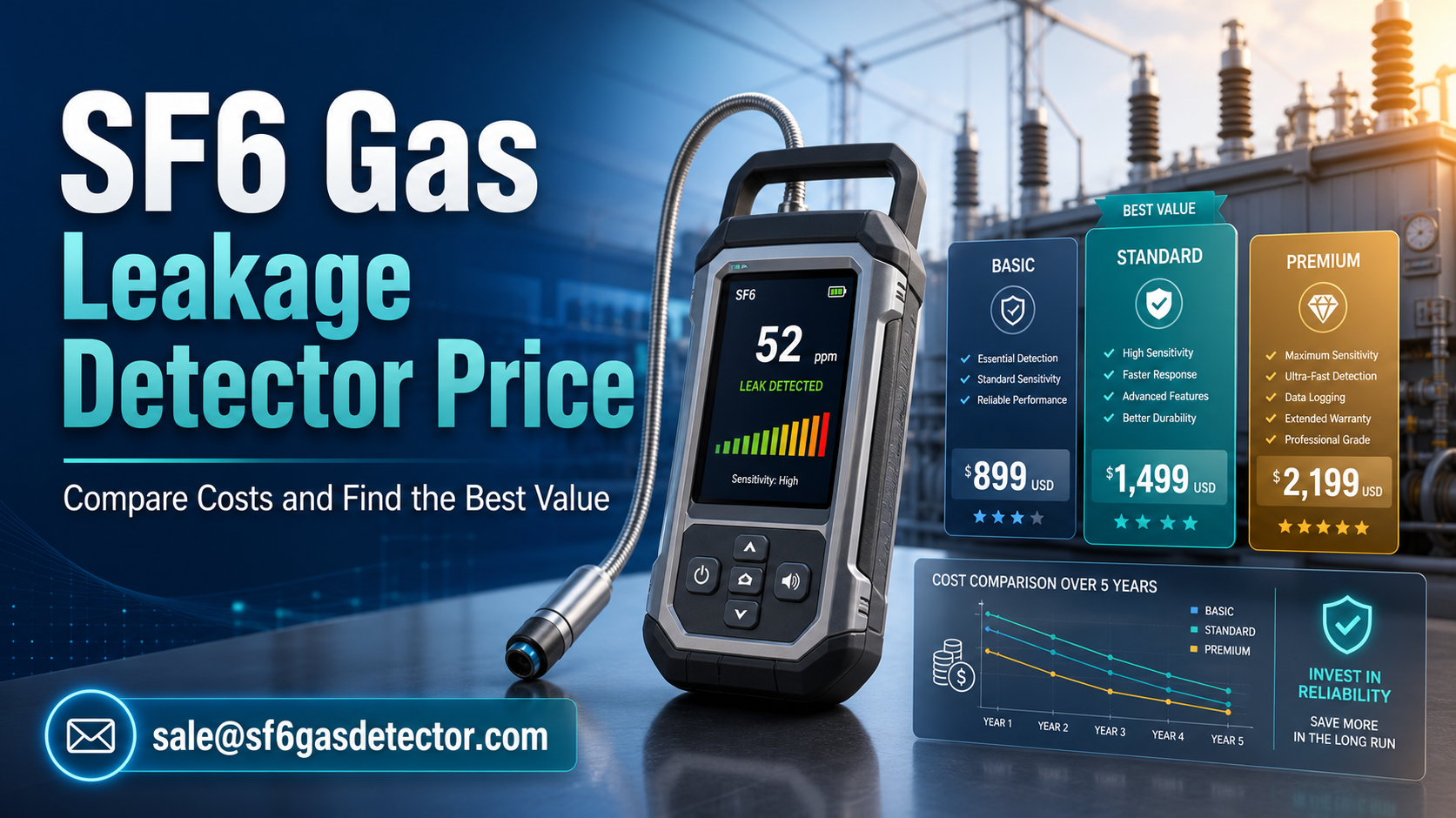
The SF6 gas leakage detector price is an important purchasing consideration for utilities, electrical contractors, switchgear manufacturers, and maintenance teams responsible for gas-insulated equipment. However, selecting a detector solely by its initial cost can create higher long-term operating risks. A suitable instrument must provide reliable sensitivity, stable repeatability, practical field operation, and documented compliance for use around SF6-insulated circuit breakers, GIS, ring main units, transformers, and other high-voltage assets.
In most industrial applications, the right SF6 gas leakage detector price reflects more than the device itself. It includes sensing technology, detection range, response time, calibration requirements, enclosure protection, certification documentation, service support, and expected working life. Understanding these factors helps buyers compare quotations accurately and avoid choosing equipment that cannot meet site inspection requirements.
Main Factors That Influence SF6 Gas Leakage Detector Price
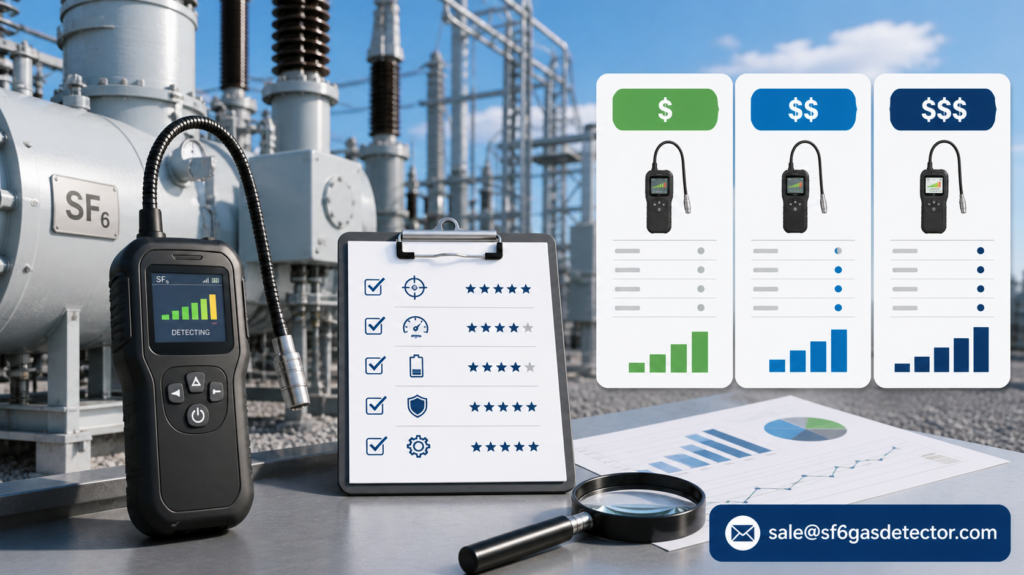
The SF6 gas leakage detector price varies according to detector type and intended use. Entry-level portable units may be appropriate for basic periodic inspections, while advanced instruments are designed for demanding substations, manufacturing lines, or environmental compliance programs.
Detection Sensitivity and Measurement Method
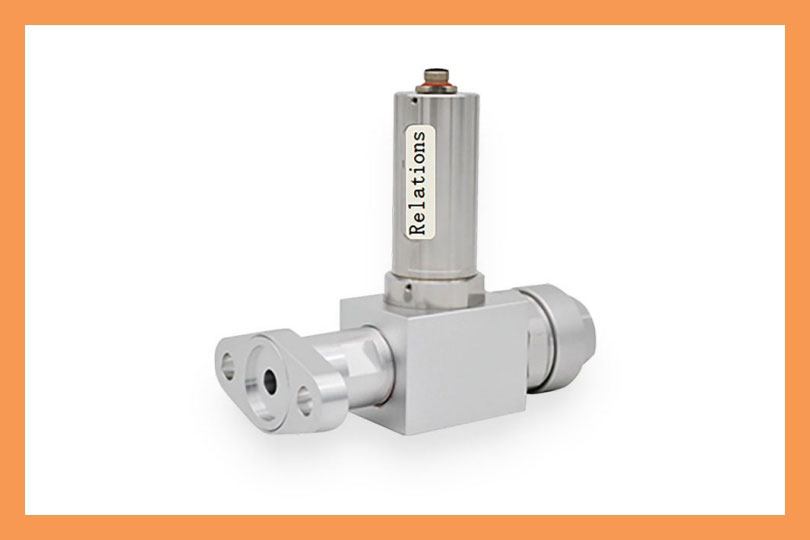
Sensitivity is one of the largest price drivers. High-sensitivity SF6 leak detectors can identify very small leaks before they result in measurable gas loss or equipment performance concerns. Common technologies include infrared sensing, negative corona discharge, and specialized electronic detection methods.
For routine equipment checks, a detector with practical sensitivity and a clear alarm may be sufficient. For GIS maintenance, acceptance testing, or leak localization around critical assets, buyers often need lower detection thresholds, fast response, and stable readings in changing field conditions. These performance requirements naturally increase the SF6 gas leakage detector price, but they can reduce unnecessary gas replenishment and unplanned maintenance.
Portable, Fixed, and Online Monitoring Designs
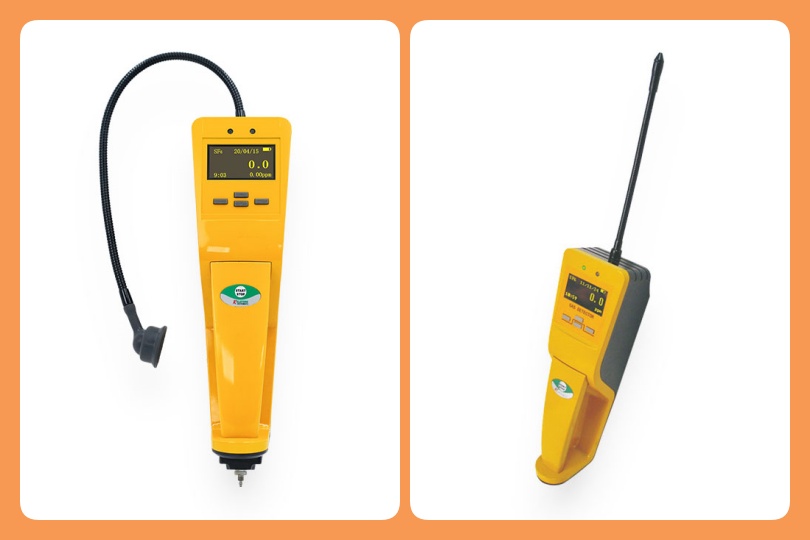
Portable devices are commonly used by maintenance personnel to inspect valves, flanges, bushings, sealing surfaces, and gas compartments. Their value depends on portability, battery life, probe flexibility, display clarity, and alarm functions.
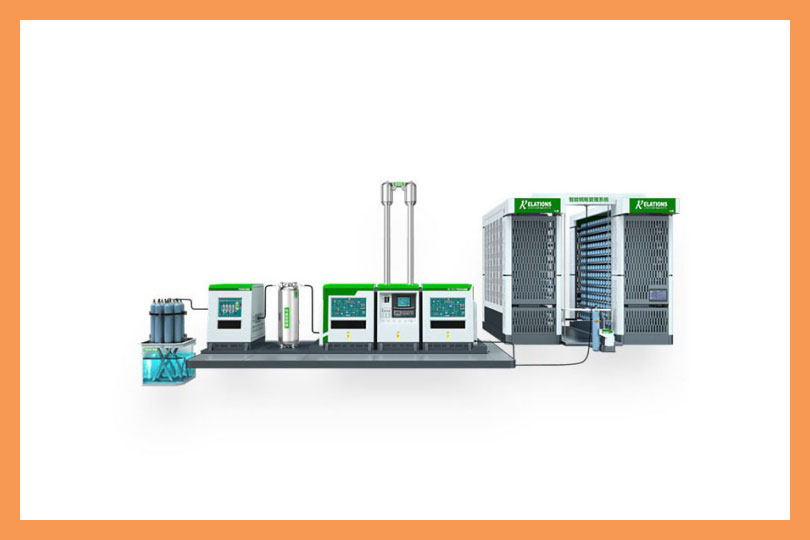
Fixed SF6 gas detection systems are installed in enclosed switchgear rooms or substations where continuous monitoring is needed. They may include remote alarm outputs, data communication, ventilation interlocks, and integration with supervisory control systems. Because they require more hardware, installation planning, and communication capability, fixed-system pricing is generally higher than that of handheld equipment.
Accuracy, Response Time, and Alarm Features
A professional SF6 detector should offer a response time suitable for practical leak searching. Slow or unstable instruments can make it difficult to distinguish a real leak from normal background conditions. Features such as adjustable sensitivity, audible and visual alarms, zeroing functions, data logging, and peak-hold displays can improve inspection efficiency.
When comparing the SF6 gas leakage detector price, request the manufacturer’s documented specifications for sensitivity, response time, operating temperature, battery duration, warm-up period, and sensor service life. A lower purchase cost does not represent better value if the instrument produces false alarms, requires frequent replacement, or lacks traceable calibration support.
Compliance, Certifications, and Industrial Standards
SF6 is widely used in high-voltage electrical equipment because of its dielectric properties, but it is also a potent greenhouse gas. Leak detection supports responsible asset management and emissions reduction. Buyers should therefore evaluate equipment compliance alongside the SF6 gas leakage detector price.
Relevant requirements may include:
- IEC 62271 series requirements for high-voltage switchgear applications
- IEC 60376 considerations for SF6 used in electrical equipment
- IEC 60480 guidance related to the use and handling of SF6 in electrical equipment
- CE marking for applicable European product safety, electromagnetic compatibility, and environmental requirements
- RoHS compliance where required for restricted hazardous substances
- ISO 9001-backed manufacturing and quality-management processes
- IP protection ratings, such as IP54 or IP65, for field-use durability
Certification needs depend on the destination market and installation environment. For example, a detector used in a standard maintenance workshop may have different requirements from a unit installed in a hazardous or highly regulated industrial area. Always verify the scope of certificates rather than relying on general certification claims.
How to Compare Quotations Effectively
A clear quotation comparison should go beyond the listed SF6 gas leakage detector price. Ask suppliers to identify exactly what is included: detector body, probe, charger, rechargeable battery, carrying case, calibration certificate, user manual, spare filters, software, and warranty coverage.
Evaluate the Total Cost of Ownership
The practical cost of an SF6 leak detector includes calibration intervals, sensor replacement, maintenance availability, shipment lead time, and technician training. For organizations operating multiple substations, standardizing on one detector platform can simplify spare-parts management and inspection procedures.
A reliable supplier should also provide technical documentation, operating instructions, and after-sales support. If your team needs a budgetary comparison for portable or fixed monitoring equipment, you can quickly obtain product quotations based on required sensitivity, quantity, and application environment.
Match the Detector to the Inspection Scenario
For circuit breaker maintenance, a portable SF6 leak detector with a flexible probe and rapid indication is typically the practical choice. For GIS rooms, a fixed detector with remote alarm contacts and continuous monitoring may be more appropriate. For switchgear manufacturing, high-sensitivity equipment can support quality control before shipment.
The best SF6 gas leakage detector price is therefore not necessarily the lowest figure. It is the cost of equipment that consistently detects relevant leaks, suits the work environment, and supports your maintenance and environmental objectives.
Practical Selection Checklist
Before purchasing, confirm the following parameters with the supplier:
- Minimum detectable leak rate or sensitivity level
- Sensor principle and expected service life
- Response and recovery times
- Audible, visual, and vibration alarm options
- Display readability and data-recording capability
- Battery operating time and charging method
- Operating temperature and humidity range
- IP enclosure rating and mechanical durability
- Calibration certificate and recommended calibration cycle
- Warranty period, spare parts, and technical support availability
For complex GIS, substation, or production-line applications, one-on-one guidance from engineers can help define the required detector configuration and avoid overspecification or unsuitable equipment selection.
Frequently Asked Questions
What is the typical SF6 gas leakage detector price?
The price depends on sensitivity, sensing technology, portability, certifications, data features, and support requirements. Basic handheld units are generally less expensive than high-sensitivity instruments or fixed online monitoring systems. Obtain a specification-based quotation to compare like-for-like products.
Why is high sensitivity important for SF6 leak detection?
High sensitivity helps technicians locate small leaks early, before gas loss becomes significant. This supports equipment reliability, reduces SF6 emissions, and improves maintenance planning.
Does an SF6 leak detector require calibration?
Yes. Regular calibration or functional verification is recommended to maintain reliable performance. The interval should follow the manufacturer’s guidance, site quality procedures, and applicable regulatory or customer requirements.
Can one detector be used for all SF6 equipment?
A portable detector can inspect many types of SF6-insulated equipment, but the preferred configuration depends on the application. Large GIS installations, enclosed rooms, and continuous monitoring needs may require fixed detection systems.
What documents should accompany an industrial SF6 detector?
At minimum, request a user manual, technical specification sheet, calibration or test certificate where applicable, warranty information, and relevant compliance declarations such as CE or RoHS documentation.