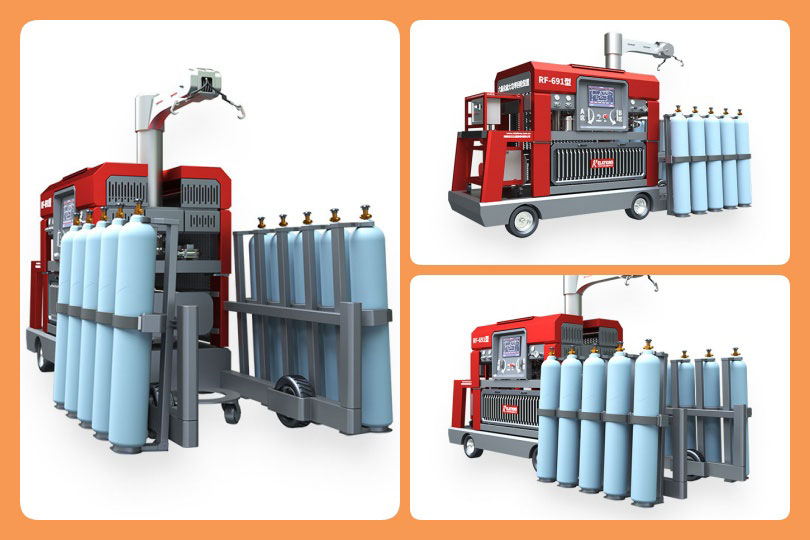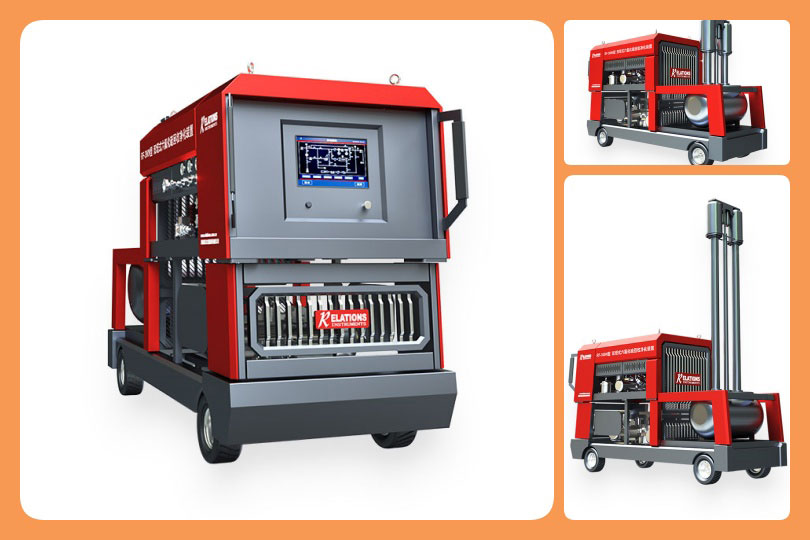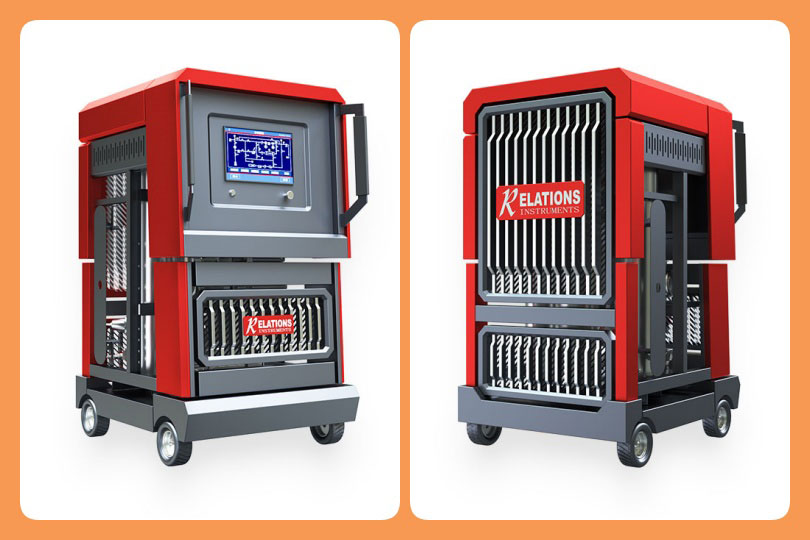
SF6 Reclaiming System for Power Generation Facilities: Cut Costs & Emissions
Date
2026-08-17
[email protected]
Website
www.sf6gasdetector.com
Get Solutions And Quotes
Contact Factory
SF6 Reclaiming System for Power Generation Facilities: Cut Costs & Emissions
An industrial SF6 reclaiming system is a critical asset for power generation facilities that operate gas-insulated electrical equipment. Sulfur hexafluoride (SF6) delivers exceptional dielectric strength and arc-quenching performance, making it widely used in gas-insulated switchgear (GIS), circuit breakers, transformers, and related high-voltage systems. However, SF6 is also a potent greenhouse gas, so responsible handling, recovery, purification, and reuse are essential for environmental compliance, operational reliability, and lifecycle cost control.
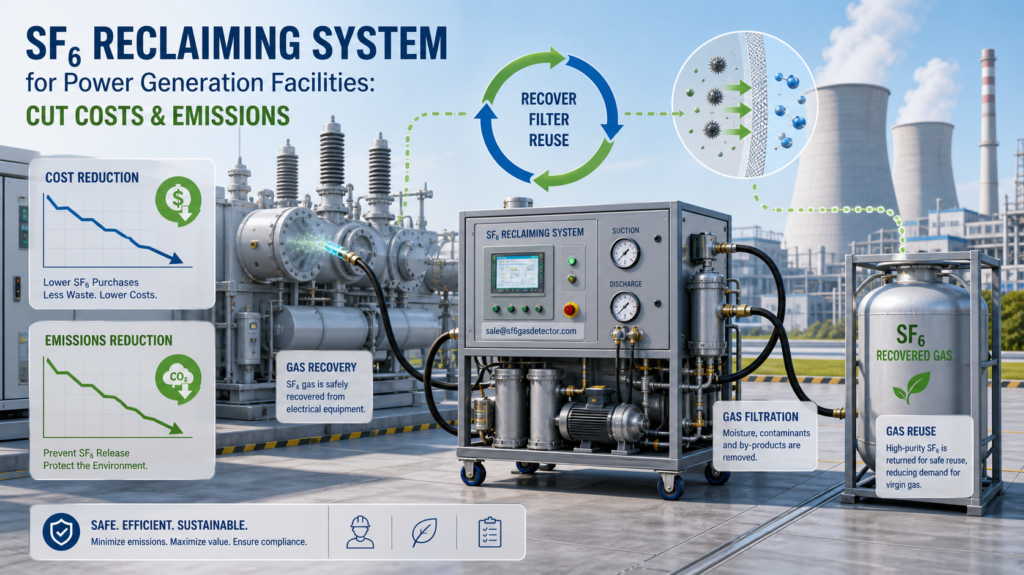
For modern power generation facilities, an SF6 reclaiming system provides a controlled process for transferring used SF6 gas from electrical equipment, removing moisture and decomposition by-products, storing recovered gas, and preparing it for reuse or compliant disposal. Selecting the correct system helps maintenance teams reduce gas losses, minimize outage risk, and maintain documented environmental performance.
Why SF6 Reclaiming Matters in Power Generation Facilities
Power plants often rely on high-voltage infrastructure that must remain dependable under demanding operating conditions. During planned maintenance, fault investigation, equipment replacement, or decommissioning, SF6 must be evacuated without venting it to the atmosphere.
A professional SF6 reclaiming system allows operators to recover gas safely from insulated equipment and transfer it into approved storage cylinders. Rather than treating used gas as waste, qualified reclaiming equipment can filter and dry the gas so that it may be assessed for reuse according to applicable gas-quality requirements.
For power generation facilities, the practical benefits include:
- Reduced SF6 emissions and lower environmental exposure
- Improved control of maintenance procedures
- Reduced need to purchase replacement virgin gas
- Better traceability for environmental audits and internal reporting
- Lower risk of moisture contamination in GIS and circuit breakers
- More consistent compliance with site safety and gas-handling procedures
SF6 management is especially important where facilities operate multiple turbines, substations, switchyards, or high-voltage auxiliary systems. A centralized SF6 reclaiming system can support both routine service work and emergency gas recovery requirements.
Core Functions of an SF6 Reclaiming System
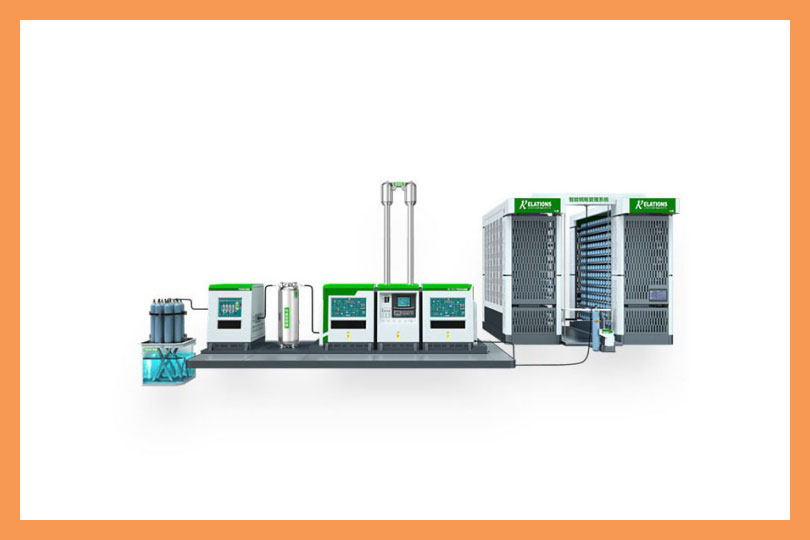
An industrial SF6 reclaiming unit is designed to perform more than simple gas transfer. It typically combines recovery, evacuation, filtration, liquefaction or compression, storage, and controlled refilling functions.
SF6 Recovery and Gas Transfer
The first function is to withdraw SF6 gas from gas-insulated equipment through sealed hoses, self-sealing couplings, and compatible service connections. The system uses a compressor or vacuum-assisted recovery process to move gas into storage cylinders or an integrated tank.
Efficient recovery is important because residual gas may remain in equipment after conventional pressure equalization. A well-designed SF6 reclaiming system can reduce residual pressure to the level specified by the equipment manufacturer and site procedures, helping power generation facilities limit avoidable emissions.
Filtration, Drying, and Purification
During service life, SF6 may become contaminated with moisture, oil vapor, particulate matter, or decomposition products created by electrical arcing. Depending on the application, the reclaiming unit may use particle filters, molecular sieves, activated alumina, and other treatment media to improve gas condition.
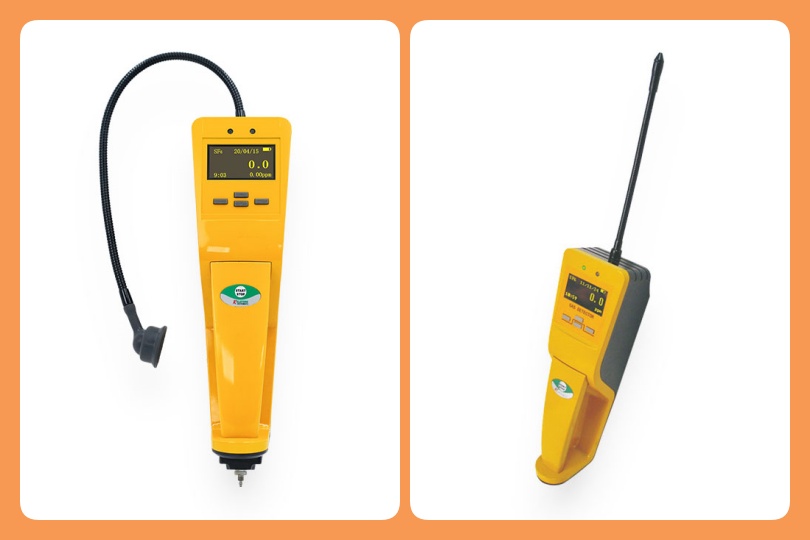
Purified SF6 should be verified before reuse. Gas quality may be evaluated for moisture, purity, and relevant decomposition products using calibrated analyzers. This approach protects expensive GIS and breaker equipment from contamination-related insulation problems.
Vacuum Evacuation Before Refilling
Before returning reclaimed gas to equipment, the electrical enclosure normally requires evacuation. Vacuuming removes air and moisture that could compromise dielectric performance. The vacuum capability of the SF6 reclaiming system should be selected based on enclosure volume, target vacuum level, gas compartment design, and maintenance schedule.
For large power generation facilities, high-capacity vacuum pumps and recovery compressors can shorten maintenance windows while supporting controlled, repeatable processes.
Important Technical Parameters for Equipment Selection
Choosing an SF6 gas recovery and reclaiming unit should be based on the facility’s actual equipment inventory and maintenance workflow. A system that is undersized may prolong outages, while an unnecessarily large unit can increase capital cost and service complexity.
Recovery Capacity and Compressor Performance
Recovery capacity is generally stated as a gas flow rate or mass-transfer rate. Higher capacity is valuable for large GIS compartments, generator step-up substations, and utility-scale switchyards. The selected system should provide stable operation across the expected inlet pressure range and be compatible with the plant’s typical cylinder sizes.
Final Vacuum Level
The final vacuum level determines how effectively residual SF6, air, and moisture can be removed. Power generation facilities should follow the maintenance instructions provided by the GIS or circuit breaker manufacturer, as acceptable evacuation limits can vary by equipment design.
Storage, Weighing, and Cylinder Compatibility
Recovered SF6 should be stored in approved, correctly labeled cylinders or tanks. Integrated weighing functions help operators monitor gas mass during recovery and filling. Cylinder connection standards, valve types, transport arrangements, and local pressure-vessel requirements should all be confirmed before installation.
Safety Features
A reliable SF6 reclaiming system should include pressure monitoring, overpressure protection, emergency stop capability, leak-resistant fittings, and clear operating controls. Where decomposition products may be present, personnel should use appropriate protective equipment and follow site safety procedures for contaminated gas handling.
Compliance Considerations and Industry Standards
SF6 handling at power generation facilities should align with environmental, occupational safety, and electrical-maintenance requirements in the relevant jurisdiction. Equipment selection and operating procedures should support recognized international practices, including IEC guidance for SF6-insulated electrical equipment and gas quality assessment.
Relevant considerations may include IEC 60376 for new SF6 technical-grade gas, IEC 60480 for the reuse of SF6 and its handling after use in electrical equipment, and IEC 62271 series requirements applicable to high-voltage switchgear. In Europe, SF6 use may also be subject to F-gas regulations, while other regions may apply national greenhouse-gas reporting, cylinder transport, and waste-management rules.
An industrial supplier should be able to provide equipment documentation, calibration information, operating manuals, and quality-management records. For procurement teams, ISO 9001 quality management certification, traceable test records, and compliant component selection can be meaningful evaluation factors.
For project-specific specifications or capacity matching, request a quick product quotation with your equipment volume, gas pressure range, and expected maintenance frequency.
Scenario-Based Applications
Routine GIS Maintenance
During scheduled GIS inspection, the SF6 reclaiming system recovers gas before technicians open a compartment. After inspection and any required replacement of seals, contacts, or desiccants, the compartment is evacuated and refilled with tested gas.
Circuit Breaker Overhaul
Circuit breaker maintenance can generate decomposition residues after interruption duty. In this scenario, reclaimed gas should be filtered and tested rather than directly returned to service. Dedicated cleaning procedures and appropriate personal protective equipment are particularly important.
Emergency Leak Response
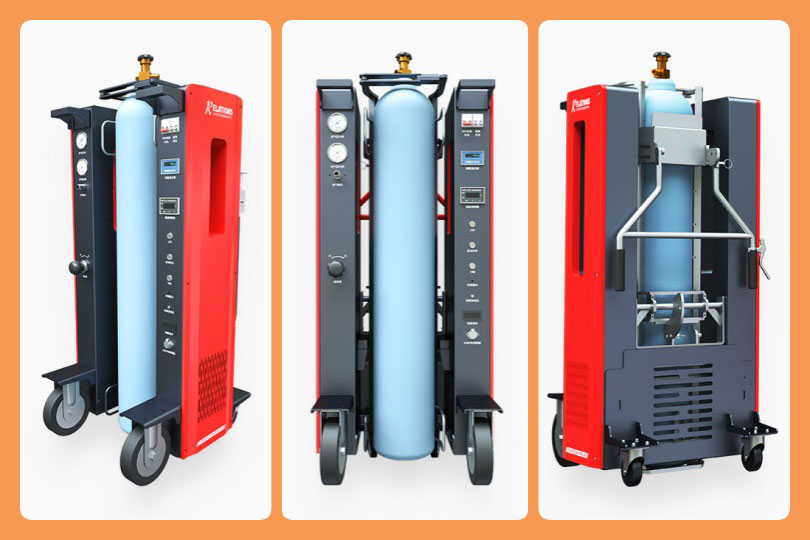
When a leak is identified, maintenance teams may need to transfer remaining gas from the affected compartment quickly. A portable or skid-mounted SF6 reclaiming system provides a practical response tool for reducing emissions and preparing the equipment for repair.
Frequently Asked Questions
Can reclaimed SF6 be reused in power generation facilities?
Yes, provided the gas is recovered, treated as needed, and tested to confirm it meets the applicable quality requirements for the intended equipment. Gas that cannot meet reuse criteria should be sent to an authorized processing or disposal provider.
How often should an SF6 reclaiming system be maintained?
Maintenance intervals depend on operating hours, gas condition, filter loading, compressor design, and manufacturer recommendations. Regular inspection of hoses, couplings, filters, vacuum performance, and calibration status is recommended.
What information is needed to select the right system?
Key information includes the total SF6 inventory, largest gas compartment volume, normal operating pressure, required recovery time, cylinder specification, available electrical power, and whether the unit will be stationary or portable.
Is operator training necessary?
Yes. Operators should understand gas-transfer procedures, equipment-specific lockout requirements, leak prevention, cylinder handling, contamination controls, and emergency response practices. For selection support and application-specific setup advice, obtain one-on-one guidance from engineers.
A properly specified SF6 reclaiming system helps power generation facilities protect critical electrical assets while meeting environmental and operational responsibilities. By combining reliable recovery performance, gas-quality control, documented procedures, and trained operation, plant owners can manage SF6 throughout its lifecycle with greater confidence.