Purchase an SF6 Gas Recovery and Filling Unit: Find the Right Fit
Date
2026-11-25
[email protected]
Website
www.sf6gasdetector.com
Get Solutions And Quotes
Contact Factory
Purchase an SF6 Gas Recovery and Filling Unit: Find the Right Fit
When preparing to purchase SF6 gas recovery and filling unit equipment, buyers should prioritize gas containment, verified operating performance, and compatibility with their electrical assets. A suitable system recovers sulfur hexafluoride from switchgear, transfers it into approved storage, and returns conditioned gas at a controlled pressure. Selecting equipment requires more than comparing prices: utilities, industrial plants, and service contractors must evaluate technical specifications, operator safety, environmental obligations, and lifecycle support.
Understanding the Equipment’s Role
An SF6 gas recovery and filling unit supports maintenance of gas-insulated switchgear, circuit breakers, and other compatible electrical equipment. Its purpose is to manage gas transfers while minimizing atmospheric releases and preventing contamination.
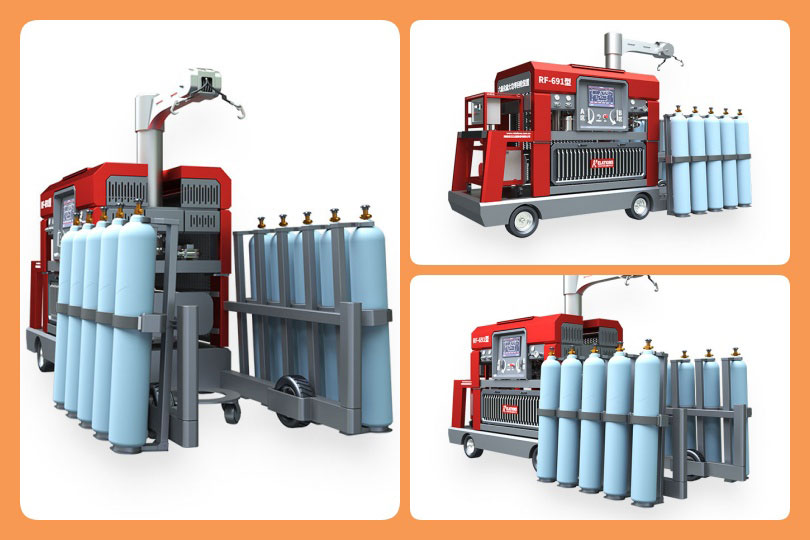
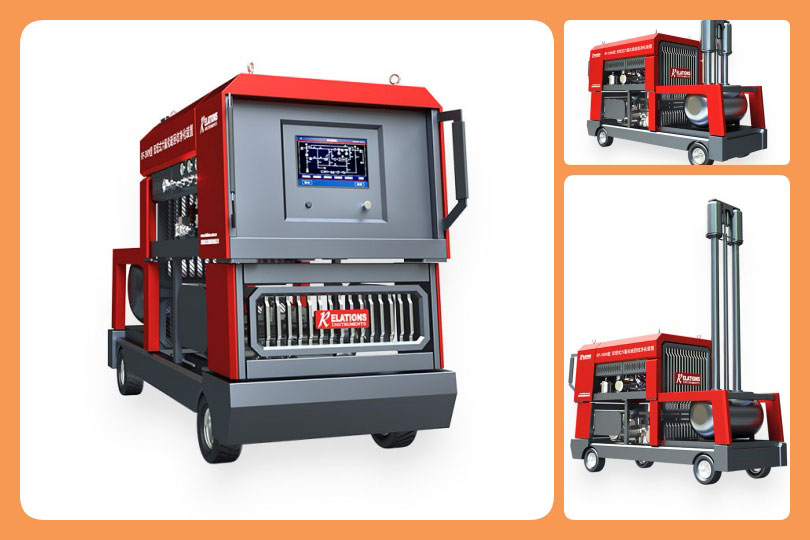
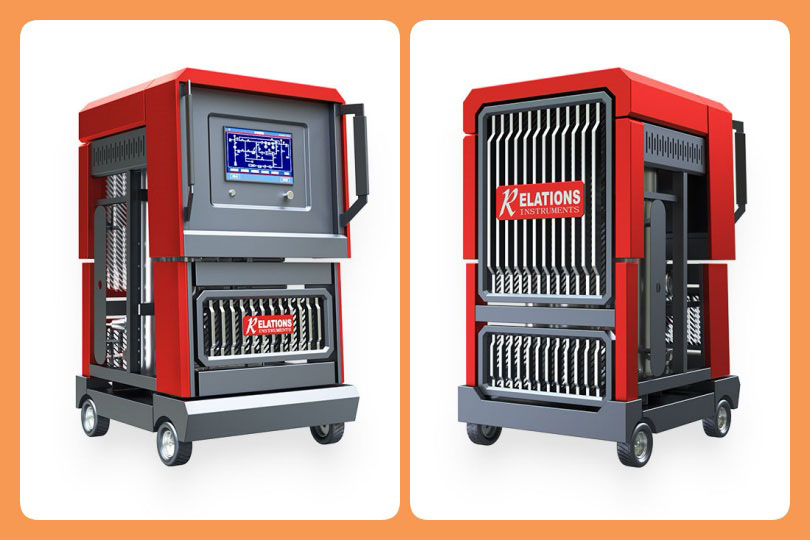
Typical functions include recovery, compression, storage transfer, filtration, evacuation, and refilling. However, configurations differ. Some machines include an integrated storage vessel; others require external cylinders. Gas analysis may require a separate instrument.
Recovery does not automatically make contaminated gas suitable for reuse. Moisture, air, and decomposition products must be assessed against applicable acceptance criteria before gas returns to service.
Define the Application Before Requesting Quotations
Routine Switchgear Maintenance
For scheduled maintenance, establish the largest compartment gas mass, starting pressure, permitted recovery endpoint, and required turnaround time. A portable SF6 recovery unit may suit small installations, provided its recovery performance remains acceptable as compartment pressure falls.
Check hose lengths and coupling compatibility. Long hoses, restrictive fittings, and small valve openings can substantially reduce actual transfer rates.
Large Substations and High-Volume Work
For large gas-insulated installations, prioritize sustained recovery capacity, adequate storage, reliable cooling, and continuous-duty suitability. A higher-capacity machine may reduce outage time, but only when the complete transfer path supports its rated flow.
Request performance data covering realistic inlet pressures and ambient temperatures rather than relying solely on a peak pumping figure.
Decommissioning and Contaminated Gas
Decommissioning may involve unknown gas quality or equipment exposed to internal arcing. Select appropriate filtration, segregated storage, and sampling arrangements. Arc-exposed equipment can contain hazardous decomposition products; handling procedures should follow manufacturer guidance, safety data, and site risk assessments.
Technical Parameters That Matter
Use a structured procurement specification to make supplier proposals comparable.
| Parameter | What to specify or verify |
|---|---|
| Recovery performance | Mass transfer rate under stated pressure, temperature, and hose conditions |
| Recovery endpoint | Guaranteed final absolute pressure and measurement method |
| Air evacuation | Vacuum capability for an empty compartment before filling |
| Pressure limits | Maximum allowable working pressures for each relevant component |
| Filling control | Adjustable delivery pressure, temperature considerations, and overpressure protection |
| Storage capacity | Usable capacity, vessel approval, and permitted filling limits |
| Filtration | Supported contaminants, filter capacity, and replacement procedure |
| Instrumentation | Gauge accuracy, calibration records, and alarm functions |
| Utilities | Voltage, frequency, electrical load, and cooling requirements |
| Serviceability | Spare parts availability, maintenance intervals, and local support |
Distinguish Recovery Pressure from Evacuation Vacuum
These specifications describe different operations. Recovery pressure indicates how much SF6 remains after extraction. Evacuation vacuum describes removal of air and moisture from an empty system before filling.
A low vacuum-pump rating alone does not demonstrate effective SF6 recovery. Require separate guarantees and acceptance tests.
Check Gas-Path Cleanliness
Oil-free gas-path designs can reduce the risk of oil contamination, but terminology varies. Ask whether compressors, seals, hoses, and associated components can introduce contaminants.
For an SF6 gas recycling and filling system, confirm what the filters actually remove. Standard filtration may not adequately separate nitrogen or air; additional treatment or off-site reclamation may be necessary.
Standards, Certification, and Regulatory Compliance
When evaluating offers to purchase SF6 gas recovery and filling unit systems, distinguish gas standards from equipment conformity requirements.
IEC 62271-4 provides handling procedures for gases used in high-voltage switchgear and controlgear. IEC 60376 specifies technical-grade SF6 and complementary gases, while IEC 60480 addresses specifications for reuse of SF6 and its mixtures. Apply the relevant edition and the electrical equipment manufacturer’s requirements.
In the European Union, Regulation (EU) 2024/573 establishes fluorinated greenhouse gas obligations, including provisions affecting SF6 handling and electrical switchgear. Applicability depends on the activity, equipment, and relevant implementation dates. Confirm personnel certification requirements and restrictions before procurement.
For EU-market equipment, assess applicable machinery, electrical safety, electromagnetic compatibility, and pressure-equipment requirements. CE marking is not an independent quality certificate: request the applicable EU Declaration of Conformity and supporting documentation.
Outside the EU, verify local pressure-vessel, electrical, environmental, and transport rules. ISO 9001 certification supports confidence in a supplier’s quality management system but does not certify an individual unit’s performance.
Match Safety Features to Site Conditions
SF6 can displace oxygen, particularly in confined or poorly ventilated areas. Provide ventilation, appropriate monitoring, and confined-space controls where required.
Specify pressure relief protection, secure cylinder connections, emergency stopping, and clear operating instructions. Storage vessels must remain within approved pressure, temperature, and filling limits.
For contaminated gas work, define protective equipment, waste handling, filter disposal, and decontamination procedures through a documented risk assessment.
Frequently Asked Questions
Can one unit handle every switchgear model?
Not necessarily. Verify pressure ranges, gas compatibility, fittings, hoses, and manufacturer-approved procedures. Gas mixtures may require dedicated equipment or additional contamination controls.
Is recovered SF6 immediately reusable?
No. Analyze its quality and confirm compliance with applicable reuse specifications. Filtration alone does not establish suitability.
What should a factory acceptance test include?
Include functional checks, leak testing, protective-device verification, instrument checks, and witnessed recovery and filling tests under agreed conditions.
How should buyers compare total cost?
Include equipment, cylinders, adapters, analyzers, filters, calibration, maintenance, training, and expected downtime—not only the initial price.
Building a Defensible Purchase Decision
Before you purchase SF6 gas recovery and filling unit equipment, establish measurable acceptance criteria and document regulatory responsibilities. Select a supplier that demonstrates performance, provides traceable documentation, and supports safe operation throughout the equipment’s service life.