High-Voltage Switchgear SF6 Gas Recovery Solution: Cut Waste & Emissions

Date
2026-11-25
[email protected]
Website
www.sf6gasdetector.com
Get Solutions And Quotes
Contact Factory
High-Voltage Switchgear SF6 Gas Recovery Solution: Cut Waste & Emissions
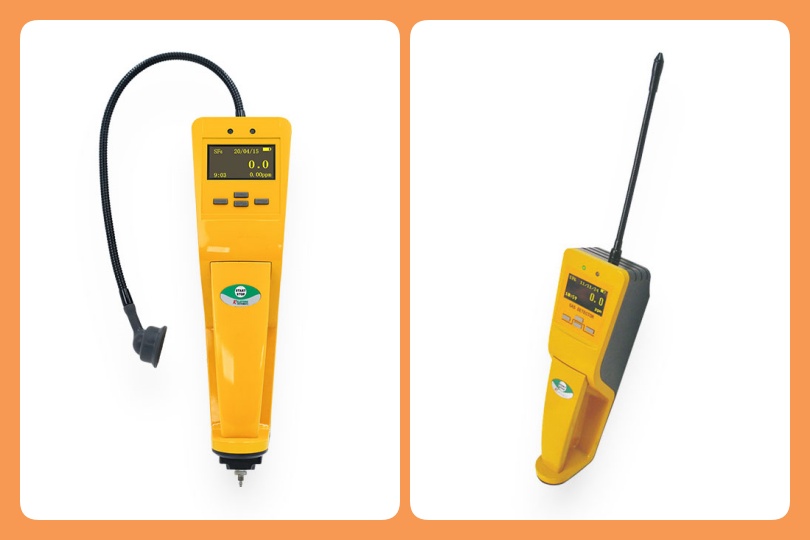
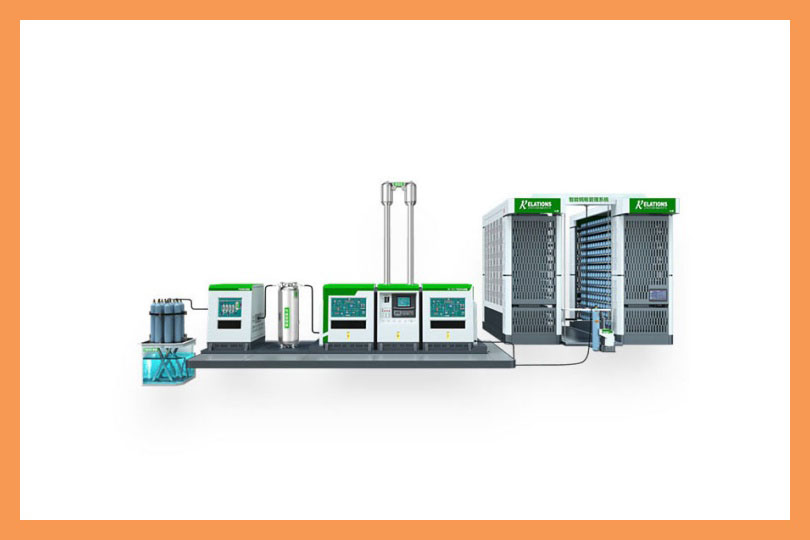
A high-voltage switchgear SF6 gas recovery solution transfers sulfur hexafluoride from gas-insulated electrical equipment into controlled storage for assessment, treatment, reuse, or authorized disposal. For utilities, industrial substations, and service contractors, the objective is to minimize emissions while protecting personnel, maintaining gas quality, and supporting reliable maintenance. Effective recovery requires more than a compressor: it combines compatible equipment, documented procedures, trained operators, and traceable gas management.
Why SF6 Recovery Matters in High-Voltage Maintenance
SF6 provides insulation and arc-quenching performance in many installed switchgear designs. However, it is also a potent, long-lived greenhouse gas. Preventing avoidable releases is therefore an environmental and operational priority throughout equipment servicing and retirement.
Recovery is typically necessary before opening a gas compartment, replacing seals, repairing internal components, or decommissioning equipment. Gas exposed to electrical discharge may contain hazardous decomposition products. Consequently, recovery planning must address both emissions prevention and contamination control.
A high-voltage switchgear SF6 gas recovery solution should preserve recoverable gas without assuming that every recovered batch is immediately suitable for reuse.
Defining the Technical Requirements
Equipment selection should begin with the switchgear manufacturer’s instructions, compartment inventory, site conditions, and applicable legal requirements. Rated pumping capacity alone does not establish practical recovery performance.
Key Parameters for Procurement
| Parameter | What to specify | Operational significance |
|---|---|---|
| Gas inventory | Mass per compartment and total service volume | Determines storage and recovery capacity |
| Operating pressures | Initial pressure, recovery endpoint, and pressure reference | Establishes equipment compatibility |
| Recovery performance | Throughput under stated inlet and discharge conditions | Supports realistic outage planning |
| Residual pressure | Guaranteed endpoint stated as absolute pressure | Helps quantify gas remaining after recovery |
| Storage arrangement | Approved containers, pressure ratings, and permitted filling limits | Prevents unsafe storage conditions |
| Gas treatment | Filtration appropriate to moisture, particles, and expected contaminants | Protects equipment and supports reuse assessment |
| Connections | Compatible fittings, isolation valves, and suitable hoses | Limits leakage and handling losses |
| Instrumentation | Calibrated pressure, temperature, and mass measurement | Supports safe operation and traceability |
For an SF6 gas recovery machine for GIS maintenance, request performance data across the expected pressure range. Recovery generally slows as compartment pressure falls, so headline flow rates may not predict total job duration.
Recovery Is Not the Same as Evacuation
Gas recovery removes SF6 for controlled collection. Evacuation removes air and moisture from an emptied, appropriately prepared compartment before filling.
A vacuum pump intended for air evacuation should not discharge residual SF6 into the atmosphere. Procedures should define the transition between recovery, compartment preparation, evacuation, and refilling, including how hoses and internal equipment volumes are managed.
Standards, Compliance, and Certification
A high-voltage switchgear SF6 gas recovery solution must fit the jurisdiction where it operates. International standards provide technical guidance, but they do not replace local environmental, electrical safety, pressure-equipment, or transport legislation.
Relevant references include:
- IEC 62271-4: Handling procedures for gases used for insulation and/or switching.
- IEC 60480: Specifications for the reuse of SF6 and its mixtures in electrical equipment.
- IEC 60376: Specifications for technical-grade SF6 and complementary gases used in electrical equipment.
- IEC 62271-203: Requirements relevant to gas-insulated metal-enclosed switchgear above 52 kV.
In the European Union, Regulation (EU) 2024/573 establishes fluorinated greenhouse gas obligations and includes electrical switchgear restrictions with defined application dates and exceptions. Owners should verify requirements for recovery, personnel certification, records, and equipment procurement against the current rules.
Request applicable declarations of conformity, pressure-system documentation, calibration certificates, and operator credentials. ISO 9001 certification can support supplier quality-system assessment, but it does not independently certify recovery performance or gas suitability.
A Controlled Recovery Workflow
1. Establish Safe Working Conditions
Apply the site’s electrical isolation, verification, earthing, and lockout procedures. Identify the correct compartment and confirm its gas inventory and service history.
Assess ventilation, oxygen-displacement risks, and possible decomposition products. Select personal protective equipment and waste-handling controls through a task-specific risk assessment.
2. Prepare and Verify Connections
Inspect hoses, seals, couplings, and storage containers. Confirm available storage capacity and compatibility with the expected gas condition. Prepare transfer lines according to the recovery equipment instructions and check connections for leakage.
For faulted equipment, use a contamination-control plan that prevents suspect gas from entering clean storage batches.
3. Recover and Record the Gas
Transfer gas while monitoring pressure, temperature, container mass, and equipment alarms. Respect container filling limits rather than relying on pressure alone.
Reach the specified recovery endpoint and allow for pressure stabilization where required. Record recovered mass, residual pressure, container identification, and abnormal observations.
4. Assess Suitability for Reuse
Test recovered gas for the parameters required by the applicable specification and manufacturer, typically including composition, moisture, and relevant decomposition products.
Filtration does not automatically restore every contaminated batch. Gas that fails acceptance criteria requires appropriate treatment, specialist reclamation, or authorized disposal.
Matching the Solution to Maintenance Scenarios
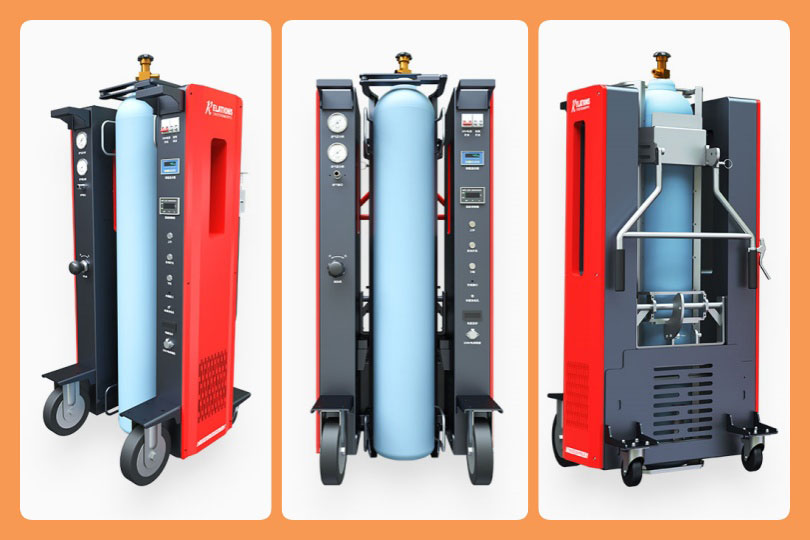
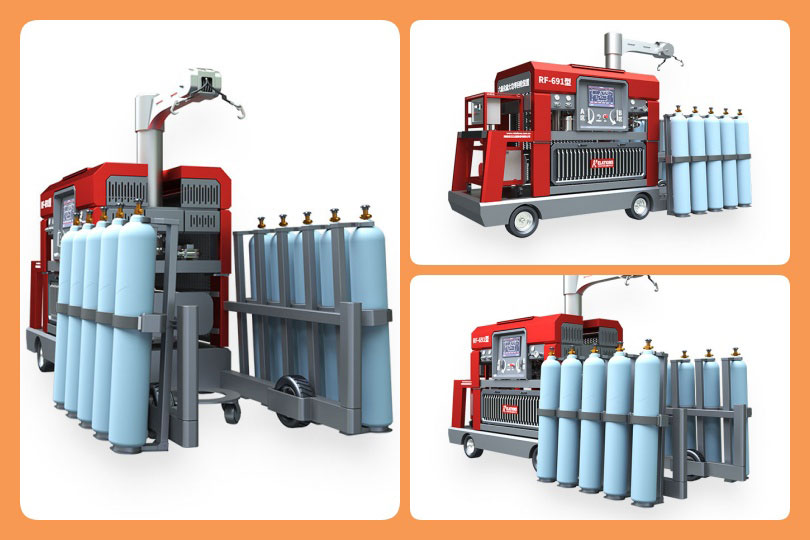
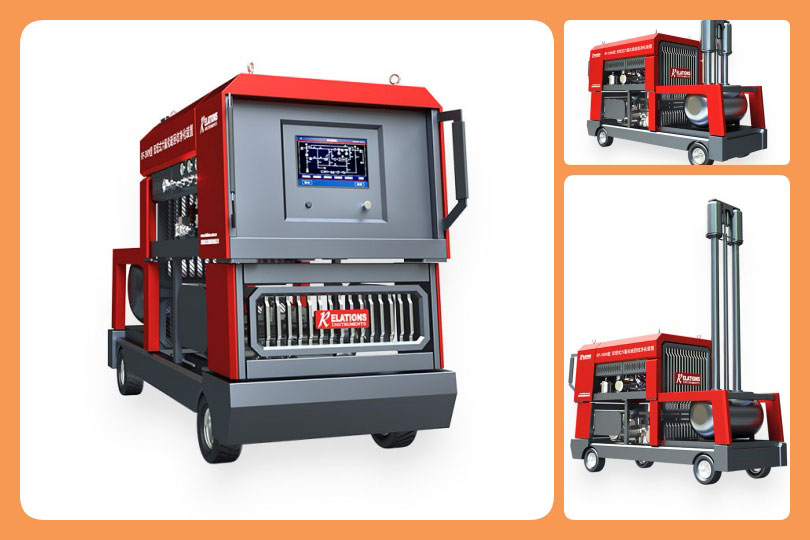
For routine substation servicing, a mobile high-voltage switchgear SF6 gas recovery solution should prioritize maneuverability, compatible couplings, controlled transfers, and sufficient onboard storage.
For large GIS overhauls, bulk recovery capacity and coordinated container logistics become more important. Separate storage streams help maintain traceability and prevent cross-contamination.
After an internal fault, contamination management takes priority over speed. Specialist assessment may be necessary before connecting recovery equipment.
For remote sites, verify power requirements, ambient operating limits, spare seals, transport arrangements, and storage availability before mobilization.
Frequently Asked Questions
Can recovered SF6 be reused immediately?
Only after its quality has been assessed and found acceptable under the applicable reuse specification and equipment manufacturer’s requirements.
Is a deeper recovery vacuum always better?
Lower residual absolute pressure generally reduces remaining gas, but the endpoint must remain compatible with the switchgear and recovery equipment. Follow manufacturer limits.
How should recovery performance be evaluated?
Compare documented endpoints, recovered mass, cycle time under defined conditions, leakage controls, and storage requirements—not compressor capacity alone.
Building a Reliable Gas Management Program
The strongest high-voltage switchgear SF6 gas recovery solution integrates equipment capability with safe procedures, verified gas quality, and auditable records. This approach supports dependable maintenance while reducing avoidable emissions and preparing operators for evolving regulatory obligations.