Which Is Better for an SF6 Gas Detector: A 0.6 ppm or 3 ppm Detection Limit?
Date
2026-08-06
[email protected]
Website
www.sf6gasdetector.com
Get Solutions And Quotes
Contact Factory
Which Is Better for an SF6 Gas Detector: A 0.6 ppm or 3 ppm Detection Limit?
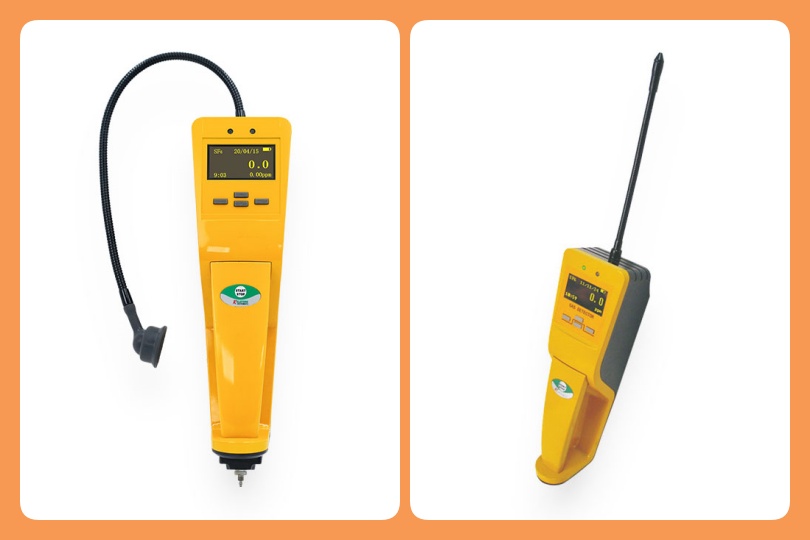
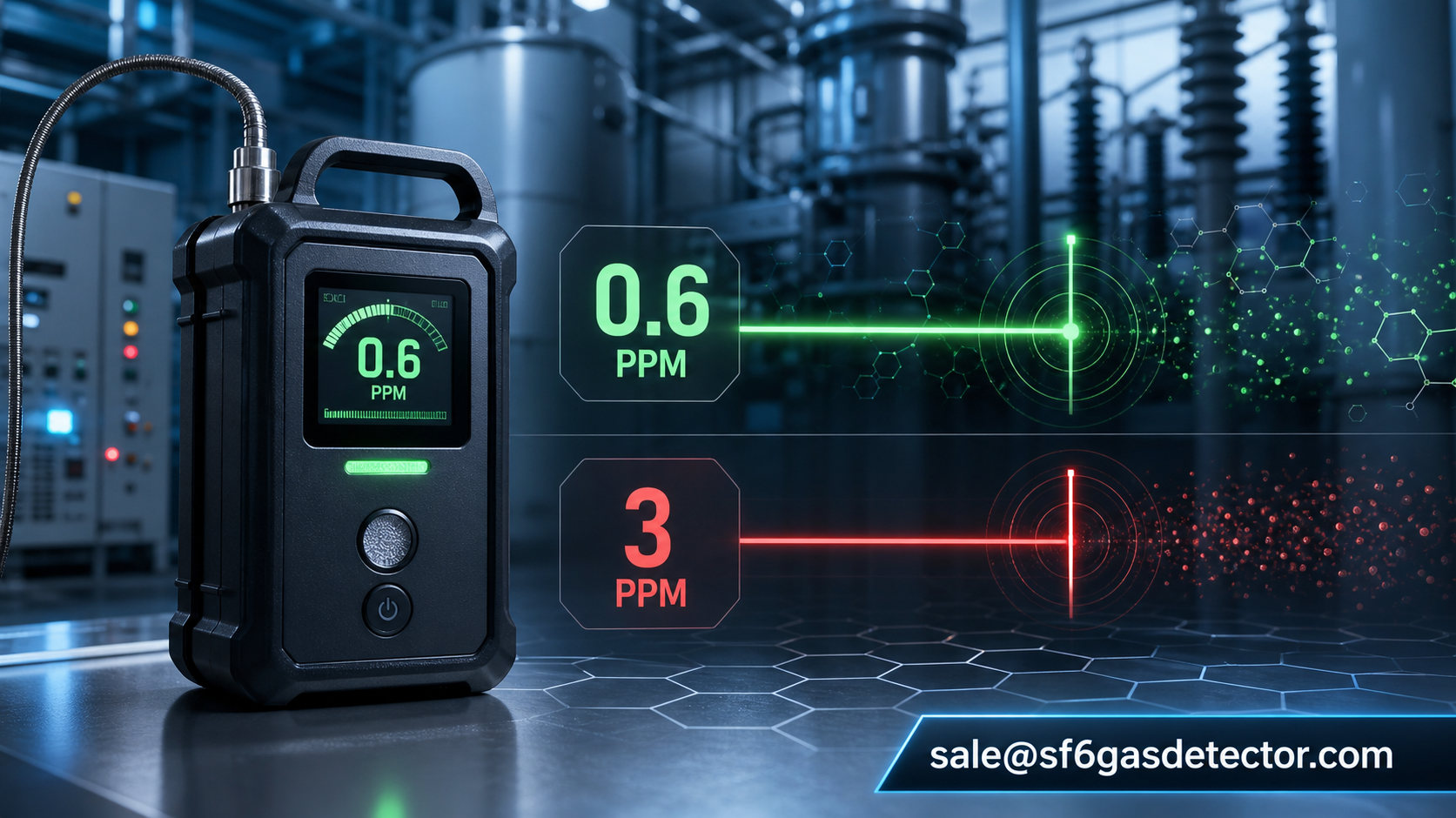
When selecting an SF6 gas detector, the lower detection limit is often treated as the most important specification. A detector rated at 0.6 ppm can identify a smaller sulfur hexafluoride concentration than one rated at 3 ppm, but that does not automatically make it better for every application. The right choice depends on the required warning level, operating environment, response time, measurement stability, maintenance needs, and applicable safety procedures. For early leak detection around gas-insulated electrical equipment, 0.6 ppm generally provides greater sensitivity; for routine area monitoring where larger releases are the primary concern, 3 ppm may be sufficient and more economical.
Understanding Detection Limits in SF6 Monitoring
The detection limit is the lowest SF6 concentration that an instrument can reliably distinguish under specified test conditions. Parts per million, or ppm, expresses the number of SF6 molecules per million molecules of air by volume.
A 0.6 ppm detection limit is five times lower than 3 ppm. This enables earlier recognition of small releases, but buyers should not evaluate this number in isolation. A professional comparison should also consider accuracy, repeatability, resolution, cross-sensitivity, response time, recovery time, calibration method, and environmental compensation.
It is also important to distinguish the detection limit from the alarm setpoint. An SF6 gas detector with a 0.6 ppm detection limit does not necessarily trigger an alarm at 0.6 ppm. Alarm thresholds should be established through a site-specific risk assessment, equipment instructions, local regulations, and the facility’s operating procedures.
0.6 ppm vs. 3 ppm: Parameter Comparison
| Evaluation parameter | 0.6 ppm detection limit | 3 ppm detection limit |
|---|---|---|
| Minimum detectable concentration | 0.6 ppm | 3 ppm |
| Relative sensitivity | Higher | Lower |
| Best suited to | Early leak identification and sensitive inspections | General area monitoring and larger-leak indication |
| Small-leak detection capability | Stronger | More limited |
| False-alarm susceptibility | Potentially higher if poorly configured | Potentially lower in variable environments |
| Calibration requirements | Usually more demanding | Generally less demanding |
| Typical purchasing priority | Sensitivity and measurement confidence | Simplicity and cost efficiency |
| Recommended decision basis | Critical assets and early intervention | Routine monitoring with validated alarm needs |
Values other than the stated detection limits are application-dependent. Actual performance must be confirmed from the manufacturer’s datasheet, calibration certificate, test conditions, and applicable product approvals.
Core Advantages of a 0.6 ppm SF6 Gas Detector
Earlier Detection of Small Leaks
The main advantage of a 0.6 ppm instrument is its ability to identify lower concentrations before a leak develops into a more significant equipment or environmental issue. This can be particularly useful around gas-insulated switchgear, circuit breakers, bushings, sealed compartments, valves, and flange connections.
Better Support for Preventive Maintenance
A high-sensitivity SF6 gas leak detector for electrical substations can help maintenance teams locate emerging leakage points during scheduled inspections. Earlier intervention may reduce gas loss, limit unplanned downtime, and support more accurate maintenance records.
Improved Environmental Management
SF6 is a potent, long-lived greenhouse gas. Minimizing avoidable releases supports responsible asset management and regulatory reporting obligations where they apply. A more sensitive detector can assist leak-reduction programs, although monitoring alone does not demonstrate regulatory compliance.
When a 3 ppm Detection Limit May Be the Better Choice
A 3 ppm detector can be appropriate when the objective is to identify meaningful accumulation in a defined area rather than locate very small component leaks. It may suit routine monitoring in switchgear rooms, utility spaces, maintenance workshops, or controlled industrial locations where the required alarm level is comfortably above the instrument’s detection limit.
The less sensitive option may also offer practical advantages in environments with fluctuating temperature, humidity, airflow, or interfering gases. However, these benefits depend on sensor technology and instrument design—not solely on the 3 ppm rating. Buyers should request documented cross-sensitivity and environmental-performance data.
For project-specific detector selection, users can request a free technical consultation based on the monitoring location, target alarm level, and equipment layout.
Key Application Scenarios
Gas-Insulated Switchgear Leak Inspection
For technicians checking joints, seals, valves, and compartment interfaces, 0.6 ppm is generally preferable because the task involves finding small leaks close to their source.
Fixed Monitoring in Enclosed Electrical Rooms
Either detection limit may be suitable. Selection should account for ventilation, detector placement, room volume, expected release behavior, alarm philosophy, and occupational risk assessment. Because SF6 is heavier than air, low-level accumulation is possible, but real airflow patterns must be assessed rather than relying only on gas density.
Utility Maintenance and Commissioning
Portable 0.6 ppm instruments are useful for commissioning checks, post-repair verification, and preventive maintenance. A 3 ppm model may be adequate for rapid screening before more precise leak-location equipment is deployed.
SF6 Handling and Recovery Areas
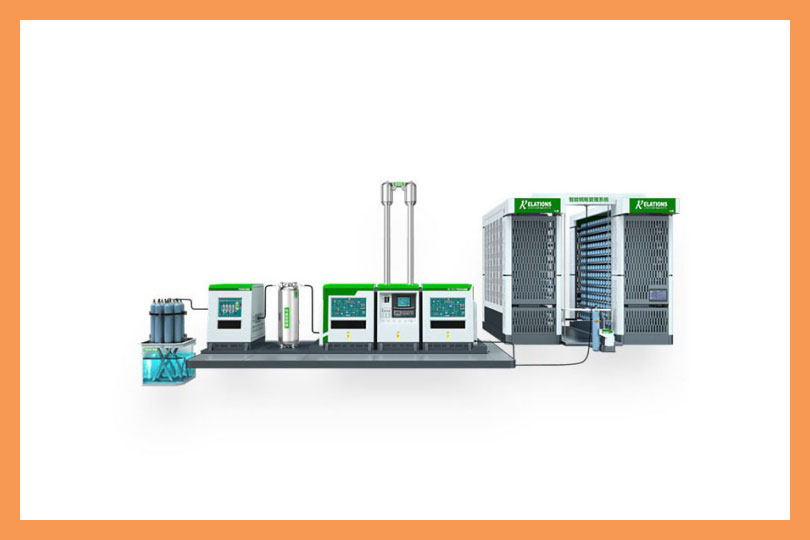
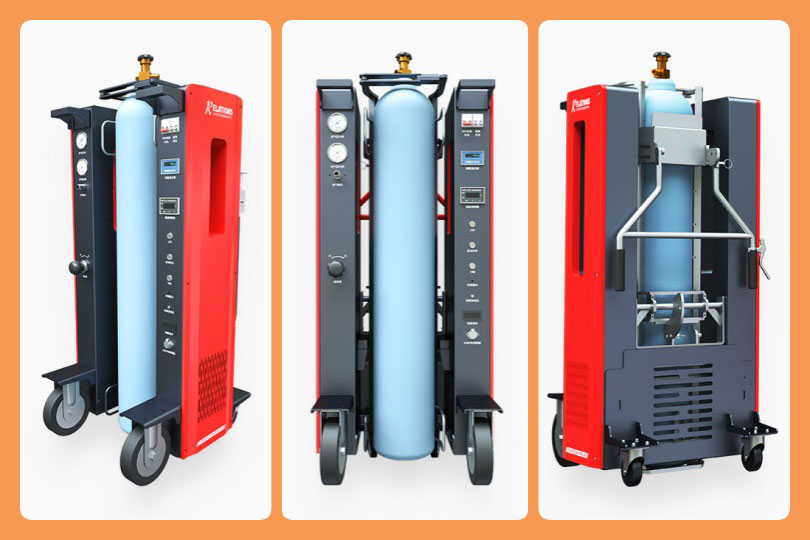
Monitoring near filling, recovery, and recycling operations should reflect the facility’s procedures and applicable requirements. Detector selection should be integrated with ventilation, work permits, gas-recovery practices, oxygen-deficiency assessment, and emergency response planning.
Purchasing Guide for an SF6 Gas Detector
Confirm the Measurement Objective
Determine whether the detector will locate small leaks, monitor ambient concentration, verify repairs, or provide fixed alarms. A leak detector and an area monitor may have different sampling systems and performance expectations.
Evaluate the Complete Specification
Check the following before purchasing:
- Detection range, resolution, accuracy, and repeatability
- T90 response and recovery times under stated conditions
- Sensor cross-sensitivity and expected service life
- Temperature and humidity operating ranges
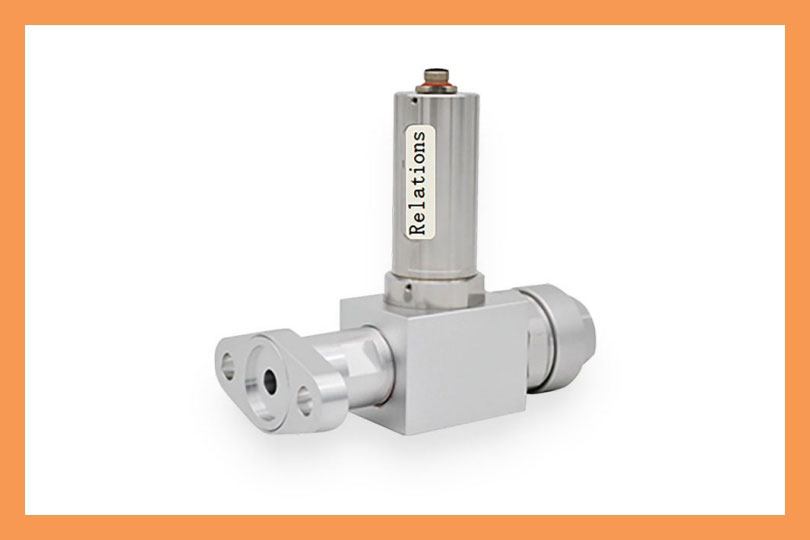
- Pumped or diffusion sampling design
- Calibration interval, traceability, and bump-test procedure
- Data logging, relay outputs, and communication interfaces
- Ingress protection and hazardous-area certification, if required
IEC, ISO, EN, NFPA, OSHA, EU F-gas, or other requirements may apply depending on the country, installation, and intended use. Compliance should be verified for the complete installed system. For a detector configuration matched to a specific site, request a customized on-site SF6 monitoring solution.
Verify Calibration and Installation Support
Select a supplier that provides traceable calibration documentation, operating instructions, replacement-sensor availability, and technical support. Fixed detectors should be positioned through a documented site assessment and tested after installation.
Frequently Asked Questions
Is 0.6 ppm always better than 3 ppm?
No. It is more sensitive, but suitability depends on the monitoring objective, alarm threshold, environmental conditions, and total lifecycle cost.
Can a 3 ppm detector find small SF6 leaks?
It can detect leaks that produce concentrations at or above its reliable detection capability at the sampling point. Very small, diluted, or intermittent leaks may require a more sensitive instrument.
Does a lower detection limit guarantee higher accuracy?
No. Detection limit and accuracy are different specifications. Review accuracy, repeatability, uncertainty, calibration records, and test conditions together.
How often should an SF6 gas detector be calibrated?
Follow the manufacturer’s specified interval and the site’s quality system. Functional checks may be needed more frequently, especially before critical inspections or after sensor exposure, storage, or repair.
What is the best choice overall?
For early leak detection and critical electrical assets, 0.6 ppm is usually the stronger choice. For general ambient monitoring with validated thresholds above 3 ppm, a 3 ppm detector may provide adequate performance at a lower cost. One-on-one SF6 detector selection guidance from an engineer can help confirm the appropriate sensitivity, installation method, and calibration plan.