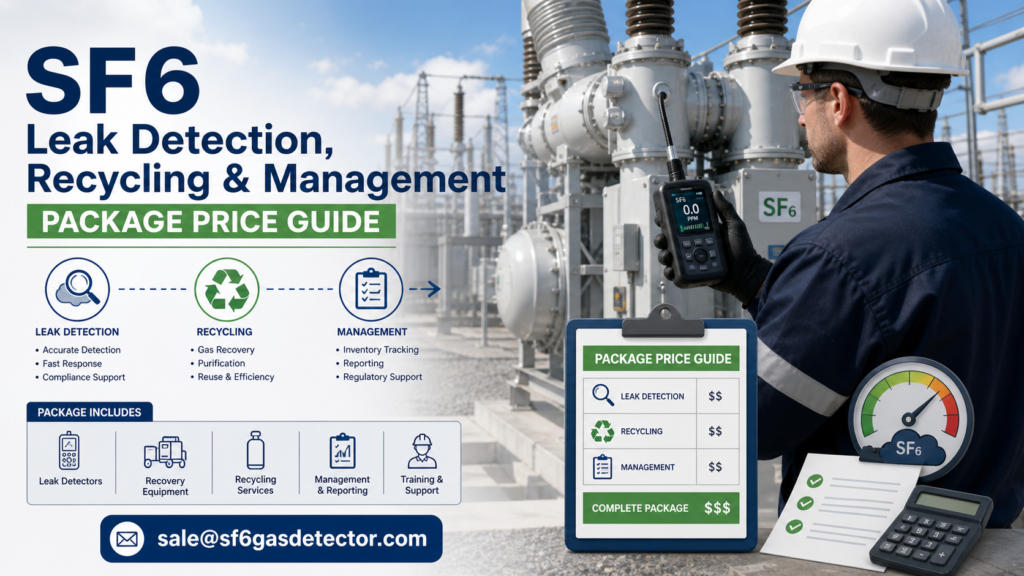
SF6 Leak Detection, Recycling & Management Package Price Guide
Date
2026-08-12
[email protected]
Website
www.sf6gasdetector.com
Get Solutions And Quotes
Contact Factory
SF6 Leak Detection, Recycling & Management Package Price Guide
SF6 leak detection management and recycling package price is an important consideration for utilities, electrical contractors, GIS manufacturers, and maintenance service providers operating high-voltage equipment. A complete package combines accurate sulfur hexafluoride leak detection, documented emissions management, and compliant gas recovery capabilities. Rather than purchasing isolated instruments, many organizations choose integrated solutions that support safer maintenance, lower SF6 losses, auditable records, and more predictable lifecycle costs.
SF6 is widely used as an insulating and arc-quenching medium in gas-insulated switchgear (GIS), circuit breakers, ring main units, and other high-voltage assets. However, it has a very high global warming potential, so managing leaks and recovering gas responsibly is essential for environmental performance, regulatory compliance, and operational reliability.
What Is Included in an SF6 Leak Detection and Recycling Package?
An SF6 leak detection management and recycling package typically includes equipment and procedures for locating leaks, measuring gas quality, recovering SF6, and returning reusable gas to service or approved storage.
Core Leak Detection Equipment
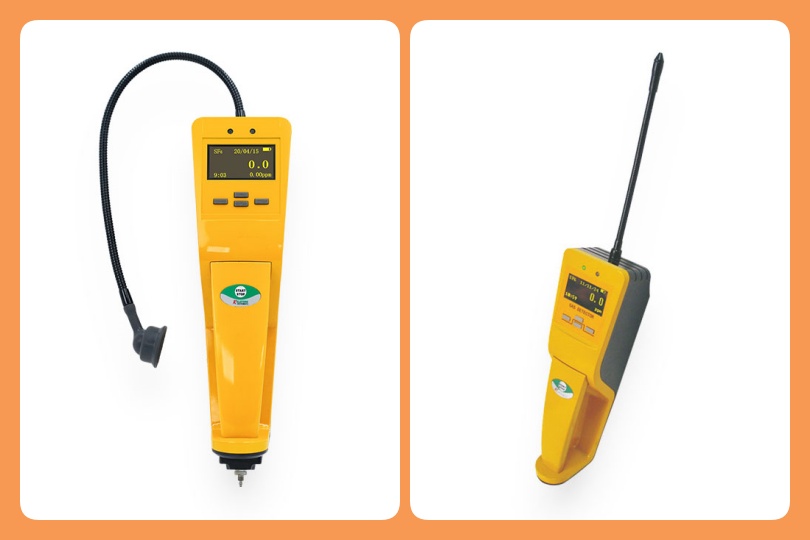
A professional package often includes a portable SF6 leak detector based on infrared sensing, electron capture detection, or other suitable technologies. For field use, key performance parameters may include:
- High sensitivity for detecting low-level SF6 leakage
- Fast response and recovery time
- Flexible probe for valve connections, flanges, bushings, and GIS compartments
- Audible and visual alarms
- Rechargeable battery operation
- Data logging or Bluetooth-enabled reporting, where required
Leak detection equipment should be selected according to the expected leak rate, accessibility of the installation, ambient conditions, and the site’s maintenance procedures. Portable detectors are valuable for routine inspections, commissioning checks, and targeted fault investigation.
SF6 Recovery, Recycling, and Filling Equipment
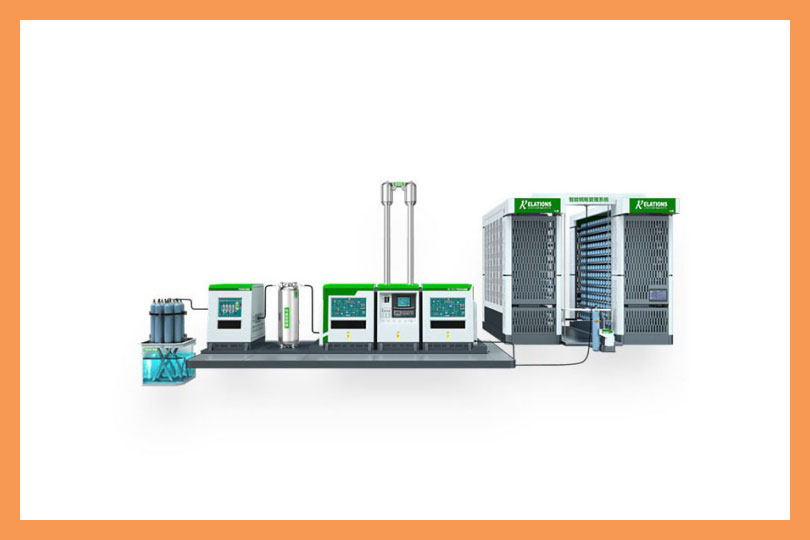
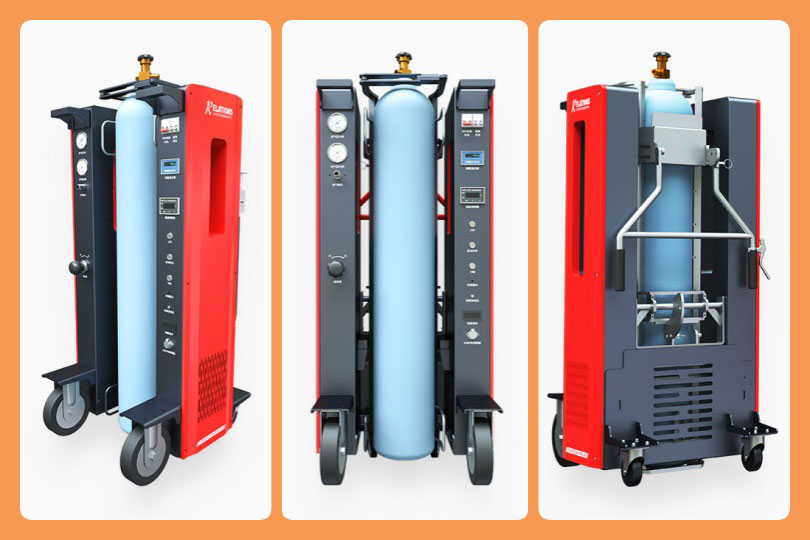
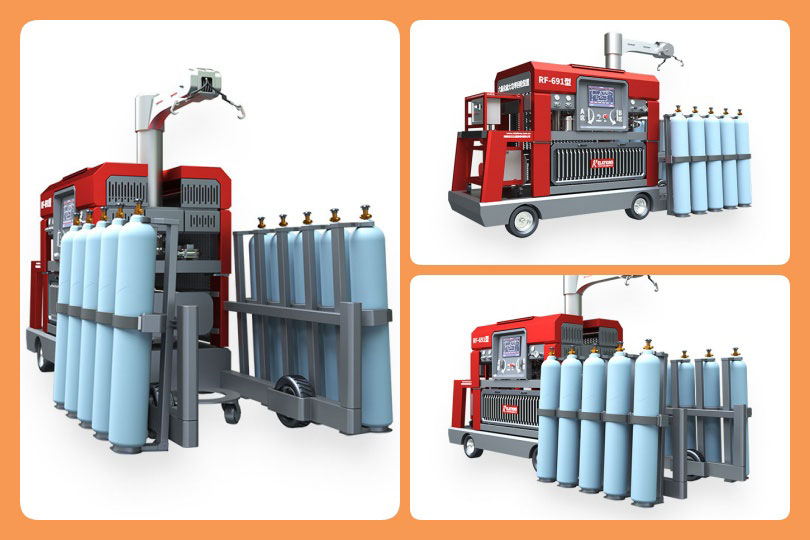
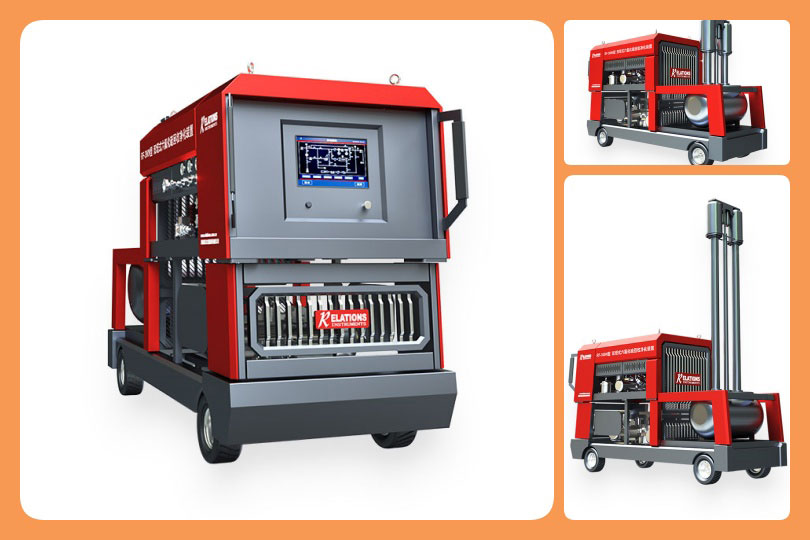
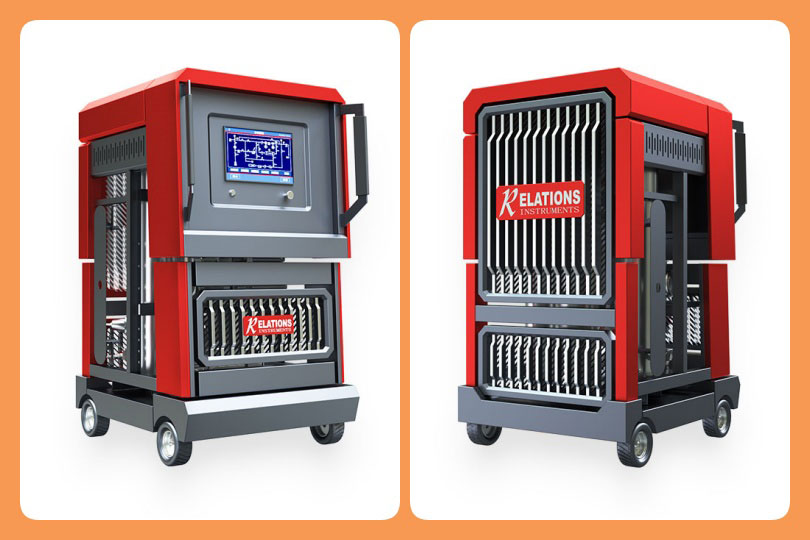
The recycling portion of the package commonly includes an SF6 gas recovery unit, vacuum pump, compressor, storage cylinder connection, filtration system, hoses, couplings, and weighing equipment. Depending on the configuration, the unit may support gas recovery, evacuation, purification, storage, refilling, or controlled transfer between gas compartments.
For high-voltage maintenance teams, the most useful systems are designed to minimize gas handling losses while maintaining stable pressure control. A well-specified unit should be compatible with the pressure range and gas volume of the switchgear being serviced.
Gas Quality Measurement and Documentation
Many asset owners also require SF6 purity, moisture, and decomposition-product analysis. These measurements help determine whether recovered gas can be purified and reused or must be sent to an authorized treatment provider.
A complete management program may record:
- Equipment identification and service location
- Date of inspection or maintenance
- Leak detection result and estimated leak source
- Gas quantity recovered, added, or transferred
- SF6 purity and moisture results
- Corrective action and technician sign-off
This recordkeeping supports maintenance planning and strengthens environmental reporting.
Key Factors Affecting SF6 Leak Detection Management and Recycling Package Price
The SF6 leak detection management and recycling package price varies substantially because the package is usually configured around the user’s equipment type, service volume, and compliance requirements.
Recovery Capacity and Operating Pressure
Recovery flow rate is one of the largest price drivers. A compact unit for occasional circuit breaker work will generally cost less than a high-capacity SF6 recovery system designed for large GIS compartments. Higher vacuum performance, faster gas transfer, and larger storage compatibility can also increase the investment.
Before comparing quotations, confirm the required recovery rate, final vacuum level, maximum inlet pressure, and compatible cylinder capacity. These parameters are more meaningful than price alone because they determine whether the system will reduce outage time in real maintenance conditions.
Detection Sensitivity and Reporting Features
A basic handheld SF6 detector may meet routine inspection requirements, while an advanced instrument with low detection thresholds, calibration support, onboard logging, and digital reporting may be more suitable for utilities with formal emission-control programs.
Organizations managing multiple substations often benefit from detectors that make results easier to trace by asset and location. This helps maintenance managers identify recurring leak points, prioritize repairs, and demonstrate continuous improvement.
Gas Analysis and Purification Requirements
Packages that include SF6 purity analyzers, dew-point measurement, SO2 or decomposition-product testing, and integrated filtration naturally have a higher upfront cost. However, they can reduce avoidable gas disposal and help users make evidence-based decisions about gas reuse.
For organizations that regularly service aging GIS or faulted circuit breakers, purification and analysis capabilities can offer a strong return by protecting equipment and reducing the need to purchase replacement SF6.
Compliance Standards and Safe Operating Expectations
SF6 handling equipment should be evaluated against applicable regional regulations, customer specifications, and recognized industry practices. IEC 60480 provides guidance on the reuse and handling of SF6 taken from electrical equipment, including quality considerations for reclaimed gas. IEC 62271 series requirements are also relevant for high-voltage switchgear applications.
In Europe, fluorinated greenhouse gas obligations may apply under the EU F-Gas framework. In the United States, users should consider relevant federal, state, utility, and site-specific reporting requirements. Regulatory obligations vary by jurisdiction, so equipment purchasers should align their package with local environmental rules and internal emissions-management procedures.
Equipment supplied for industrial markets may also require applicable CE conformity documentation, electrical safety compliance, electromagnetic compatibility evaluation, and pressure-related conformity for components within the scope of local law. Operators should use trained personnel, suitable PPE, rated hoses and fittings, and clearly defined gas-transfer procedures.
Choosing the Right Package for Your Application
A practical procurement process begins with the service scenario.
For Routine Substation Maintenance
For periodic inspection of circuit breakers, ring main units, and smaller GIS installations, a portable leak detector combined with a compact recovery and filling cart may be sufficient. Prioritize mobility, reliable low-level detection, easy hose connections, and clear operating controls.
For GIS Manufacturers and Service Contractors
Manufacturers and specialist contractors may need faster recovery capacity, vacuum evacuation capability, gas storage flexibility, and quality analysis. These applications often benefit from modular systems that can be tailored to different customer sites and voltage classes.
For Utility-Wide SF6 Emissions Management
Utilities with large installed fleets should consider a standardized package with digital documentation, calibration planning, gas inventory control, and technician training. The objective is not only to detect individual leaks but also to build a repeatable process for reducing fleet-wide SF6 emissions.
For a configuration matched to your equipment volume, operating pressure, and required test functions, you can quickly obtain a product quotation with the relevant technical specifications.
Frequently Asked Questions
What information is needed to estimate an SF6 recycling package price?
Suppliers usually need the equipment type, SF6 gas volume, normal operating pressure, required recovery speed, destination country, power supply, and whether gas analysis or purification is needed. Providing this information leads to a more accurate and comparable quotation.
Can recovered SF6 gas be reused?
Recovered SF6 may be reused when its quality meets applicable technical requirements after assessment, filtration, or reclamation. Purity, moisture, and decomposition products should be checked according to the relevant maintenance procedure and standards such as IEC 60480.
How often should SF6 leak testing be performed?
Testing frequency should follow local regulations, equipment manufacturer recommendations, leak history, asset criticality, and the owner’s environmental management policy. Routine inspections are particularly important after installation, repair work, abnormal operation, or suspected pressure loss.
Is calibration important for SF6 leak detectors?
Yes. Regular calibration or functional verification helps maintain confidence in detection results. The appropriate interval depends on the instrument manufacturer’s instructions, frequency of use, site procedures, and any accredited quality-management requirements.
How can buyers avoid selecting an oversized or undersized recovery unit?
Start with the largest gas compartment likely to be serviced, the acceptable maintenance window, and the required final vacuum level. An experienced supplier can provide one-on-one guidance from engineers to align recovery capacity, storage options, analysis functions, and compliance documentation with the actual application.