SF6 Emissions Monitoring & Recovery for Power Company Compliance
Date
2026-08-28
[email protected]
Website
www.sf6gasdetector.com
Get Solutions And Quotes
Contact Factory
SF6 Emissions Monitoring & Recovery for Power Company Compliance
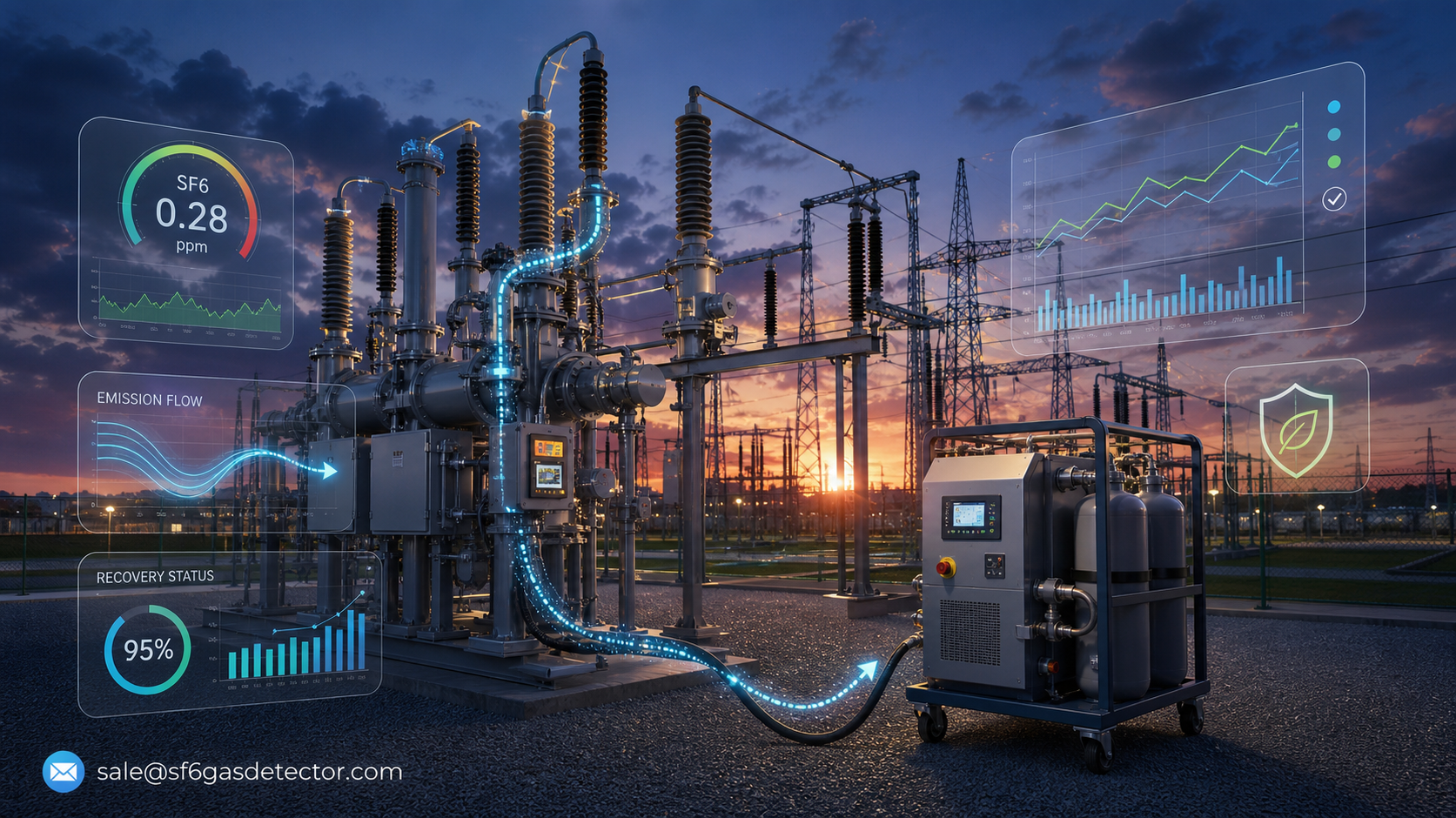
Power companies operate essential high-voltage assets that often rely on sulfur hexafluoride (SF6) for electrical insulation and arc interruption. While SF6 supports compact, reliable gas-insulated equipment, it also has a very high global warming potential. Effective monitoring and recovery of SF6 gas emissions for power companies is therefore a core part of environmental compliance, asset reliability, and responsible grid operation. A structured SF6 management program helps utilities identify leaks early, maintain accurate inventories, recover gas during maintenance, and demonstrate conformance with applicable environmental requirements.
Why SF6 Emission Compliance Matters
SF6 is widely used in gas-insulated switchgear (GIS), circuit breakers, ring main units, instrument transformers, and related high-voltage equipment. Its dielectric strength and chemical stability provide major operational advantages, but those same characteristics mean that released gas can remain in the atmosphere for a long period.
For utilities, emission management is not only an environmental obligation. It also affects operating cost, maintenance planning, procurement, audit readiness, and corporate sustainability reporting. A robust approach to monitoring and recovery of SF6 gas emissions for power companies reduces avoidable gas losses while improving the quality of technical and regulatory records.
Compliance obligations vary by jurisdiction. Power companies should evaluate local environmental reporting rules alongside relevant international frameworks and operational standards. Commonly referenced technical practices include IEC requirements for SF6-handling equipment, ISO 14001 environmental management principles, and manufacturer instructions for gas-insulated equipment. Personnel should also follow site safety procedures and applicable occupational health regulations when handling pressurized gas and decomposition by-products.
Core Elements of an SF6 Emission Management Program
Establish a Verified SF6 Asset Inventory
Accurate records are the foundation of compliance. Each SF6-containing asset should have a unique identification number, installation location, equipment type, manufacturer, rated gas mass, commissioning date, and maintenance history.
The inventory should distinguish between:
- Nameplate gas capacity
- Actual gas mass in service
- Gas purchased or transferred into equipment
- Gas recovered from equipment
- Gas sent for recycling, reclamation, or approved destruction
- Verified emissions and unexplained losses
This information allows operators to calculate annual leakage rates and identify assets with recurring gas loss. It also gives environmental teams a defensible basis for greenhouse-gas reporting.
Apply Continuous and Periodic Leak Monitoring
Leak detection should be risk-based. Critical GIS installations, high-volume SF6 assets, and equipment with a history of pressure alarms may require continuous monitoring. Lower-risk equipment may be covered through scheduled inspections using portable instruments.
Reliable monitoring and recovery of SF6 gas emissions for power companies typically combines several methods:
- Density or pressure monitoring to identify abnormal gas loss
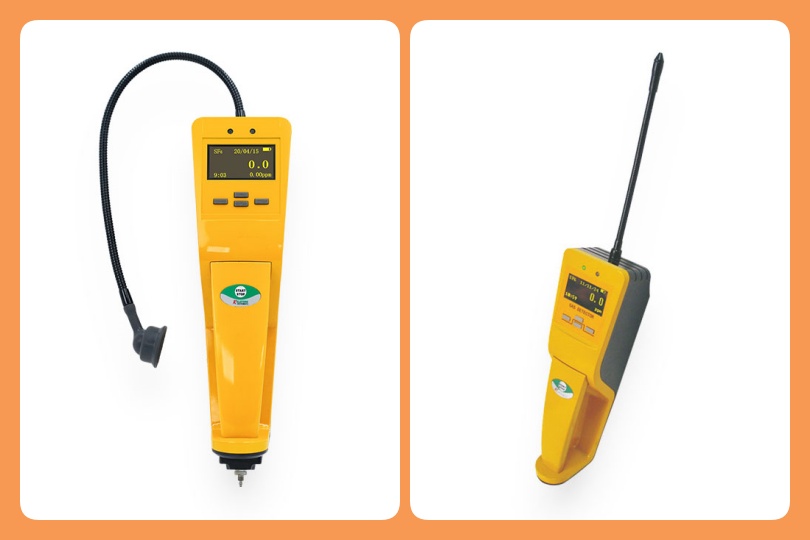
- Portable SF6 leak detectors for flange, valve, seal, and enclosure inspections
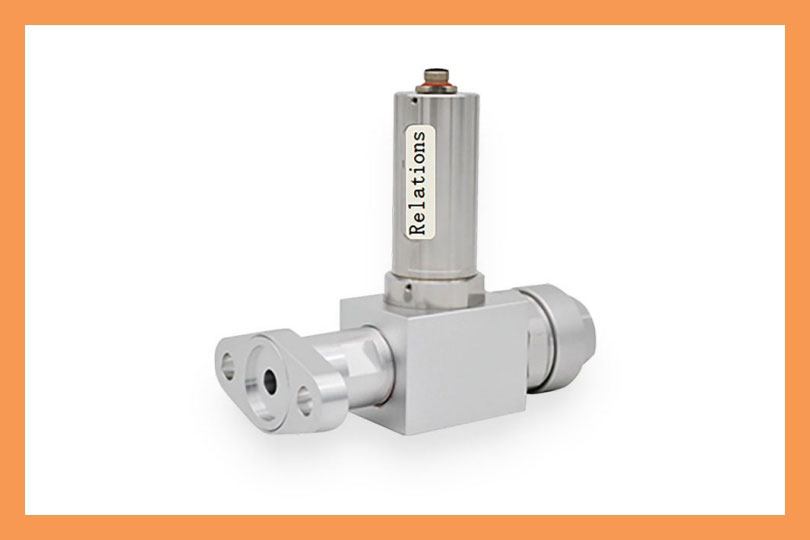
- Infrared imaging or fixed gas-monitoring systems where appropriate
- Routine condition assessments during planned outages
- Trend analysis of gas top-up frequency and density alarm events
Portable instruments should provide suitable sensitivity for the site’s inspection requirements and should be calibrated in accordance with the manufacturer’s instructions. Documented calibration records strengthen confidence in measurement results during internal reviews or external audits.
SF6 Recovery Procedures During Maintenance and Decommissioning
Recover Gas Before Opening Equipment
SF6 should be recovered before equipment is opened for repair, overhaul, retrofit, or end-of-life removal. Venting gas to the atmosphere is inconsistent with responsible environmental management and may conflict with applicable regulatory requirements.
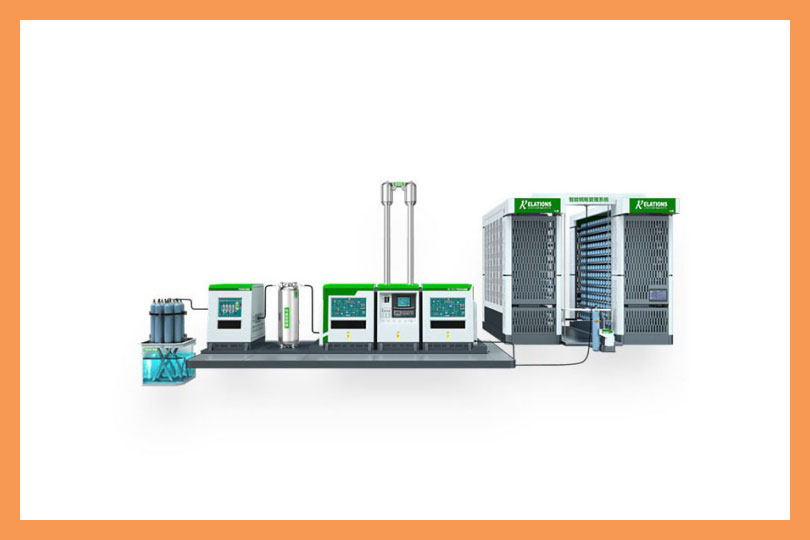
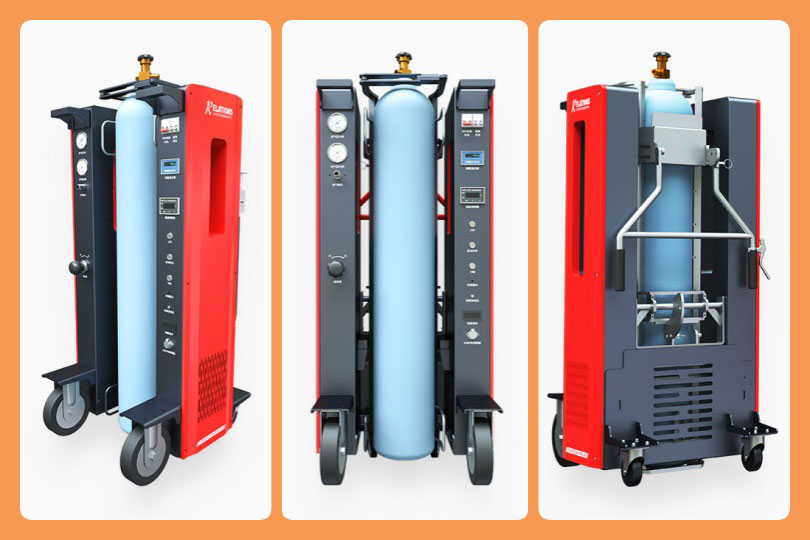
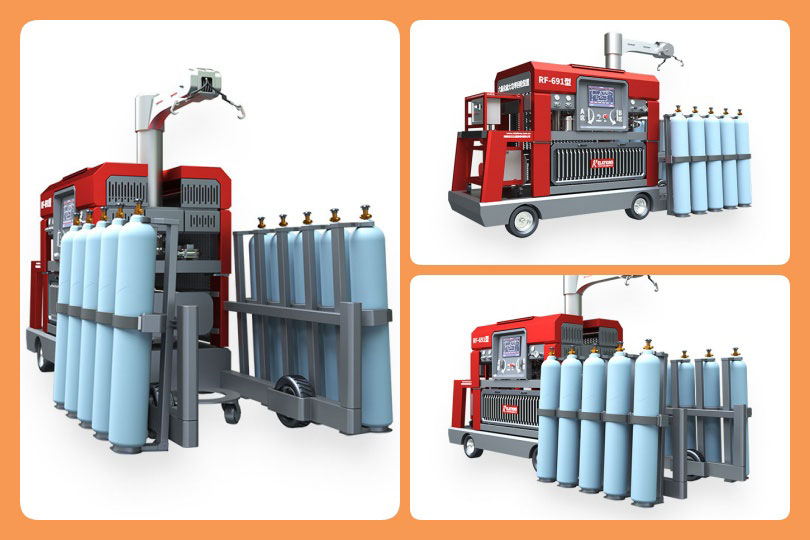
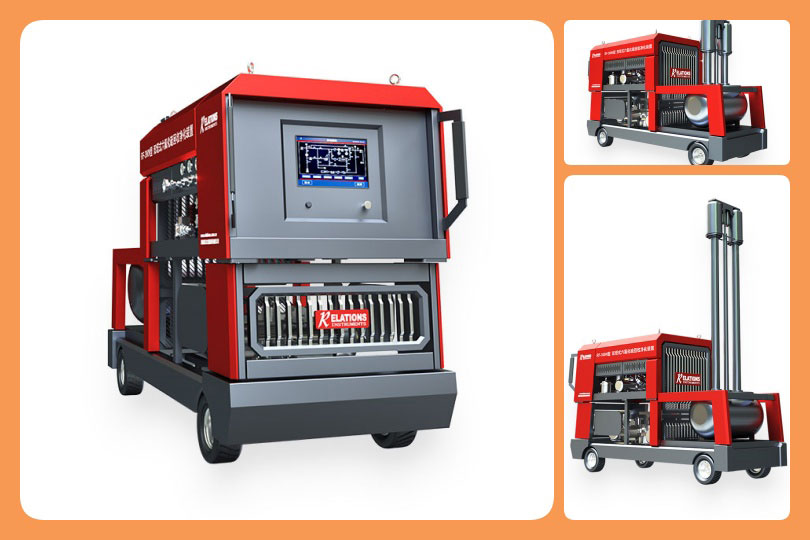
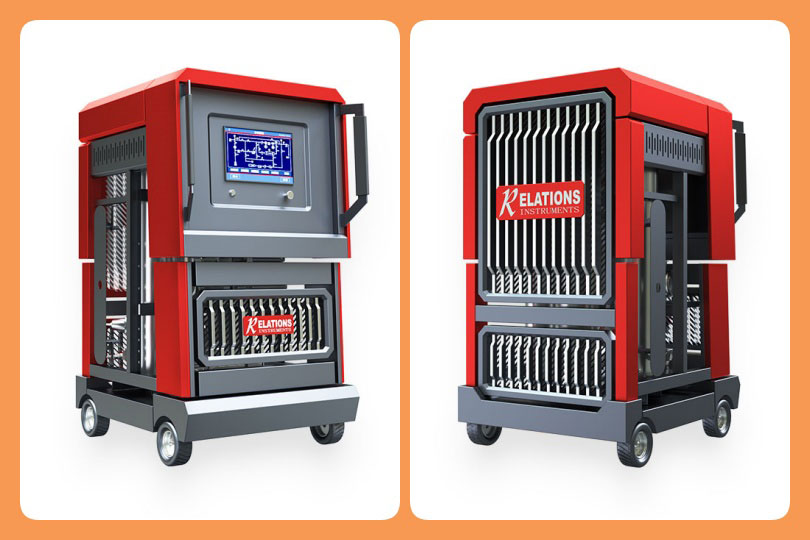
A proper recovery process normally uses a dedicated SF6 gas recovery unit with vacuum capability, storage cylinders, pressure controls, filtration, and weighing provisions. The process should be performed by trained personnel using equipment compatible with the gas quantity, operating pressure, and contamination risk of the asset.
Before recovery begins, the work team should confirm equipment isolation, lockout/tagout status, gas compartment identification, cylinder capacity, and transfer hose integrity. The recovered gas should be weighed or otherwise quantified so that the asset inventory can be updated accurately.
Assess Gas Quality and Segregate Contaminated Gas
Recovered SF6 may be reusable if it meets the required quality specification for the intended application. Gas quality testing commonly evaluates SF6 purity, moisture content, air content, and decomposition products. Testing requirements should be based on equipment manufacturer guidance and applicable technical standards.
Gas containing excessive moisture, air, oil vapor, or decomposition by-products should be segregated, labeled, and sent to an approved gas-processing or disposal provider. Equipment that has interrupted fault current may contain hazardous decomposition residues. In these cases, technicians should use suitable personal protective equipment and follow established contamination-control procedures.
For a project-specific recovery plan or one-on-one guidance from engineers, utilities can evaluate recovery capacity, gas testing needs, and appropriate monitoring configurations before field work begins.
Building Compliance Records That Stand Up to Audit
Track the Full SF6 Gas Lifecycle
An audit-ready system records every significant gas movement. This includes procurement, cylinder receipt, equipment filling, top-up activity, recovery, transfer, recycling, and disposal. Records should show dates, responsible personnel, asset identifiers, gas quantities, and supporting documents such as weighing slips or service reports.
A simple mass-balance method can help identify discrepancies:
SF6 emissions = gas acquired + gas returned from assets − gas placed into assets − gas transferred for reuse or treatment − verified closing inventory
The exact calculation and reporting boundary should be aligned with the regulatory methodology that applies to the utility. Environmental teams should retain supporting data long enough to satisfy local recordkeeping obligations and corporate assurance requirements.
Define Performance Indicators
Useful SF6 management indicators include annual emissions in kilograms, emissions expressed as CO2 equivalent where required, equipment-level leakage rate, recovery percentage, gas reuse rate, and the number of unresolved leak alarms. These metrics help management prioritize capital upgrades and maintenance resources.
For example, a circuit breaker that requires repeated gas top-ups may need seal replacement, valve servicing, or broader asset-condition assessment. Addressing the root cause is more effective than treating replenishment as routine maintenance.
Scenario-Based Solutions for Utility Operations

Substation With Repeated Low-Gas Alarms
When a substation reports recurring density alarms, technicians should verify the alarm device, inspect accessible sealing points, and perform a targeted leak survey. If a leak is confirmed, the utility should schedule repair, recover remaining SF6, and document the amount lost and recovered. Follow-up monitoring verifies that corrective action has worked.
GIS Modernization or Equipment Replacement
Large refurbishment projects create a significant emissions risk if gas handling is not planned in advance. The project specification should include recovery equipment capacity, cylinder logistics, gas analysis, contamination controls, and acceptance criteria for reused gas. Early planning supports efficient monitoring and recovery of SF6 gas emissions for power companies while preventing delays during outages.
Remote or Distributed Network Assets
For dispersed ring main units and smaller switchgear, utilities can prioritize inspections based on asset age, fault history, gas-pressure trends, and accessibility. Mobile leak detection and standardized field reporting improve consistency across regional maintenance teams.
To compare recovery systems, leak detectors, and gas analysis options, power companies can quickly obtain product quotations based on asset voltage class, gas volume, and service scope.
Frequently Asked Questions
How often should power companies inspect SF6 equipment for leaks?
Inspection frequency should be based on regulatory obligations, manufacturer recommendations, equipment criticality, historical leakage, and site risk. Assets with abnormal pressure trends or prior leaks should receive more frequent checks than stable equipment.
Can recovered SF6 be reused?
Yes, provided gas quality is tested and confirmed suitable for reuse under the applicable equipment and technical requirements. Contaminated gas should be processed by qualified service providers rather than returned directly to equipment.
What information is needed for SF6 emissions reporting?
Utilities generally need asset inventory data, gas purchase records, filling and recovery logs, recycling or disposal documentation, measured leakage information, and year-end cylinder and equipment inventory figures.
Is pressure monitoring enough to manage SF6 emissions?
No. Pressure or density monitoring is valuable for identifying potential loss, but it does not replace leak location, gas accounting, recovery procedures, and documented corrective action.
Conclusion
Effective monitoring and recovery of SF6 gas emissions for power companies requires more than periodic gas top-ups. It depends on accurate inventories, reliable leak detection, disciplined recovery practices, gas-quality control, trained personnel, and complete records. By integrating these measures into routine asset management, power companies can reduce emissions, protect equipment reliability, and meet evolving environmental regulatory expectations with greater confidence.