Custom Quote for an SF6 Gas Reuse System for GIS Maintenance
Date
2026-08-27
[email protected]
Website
www.sf6gasdetector.com
Get Solutions And Quotes
Contact Factory
Custom Quote for an SF6 Gas Reuse System for GIS Maintenance
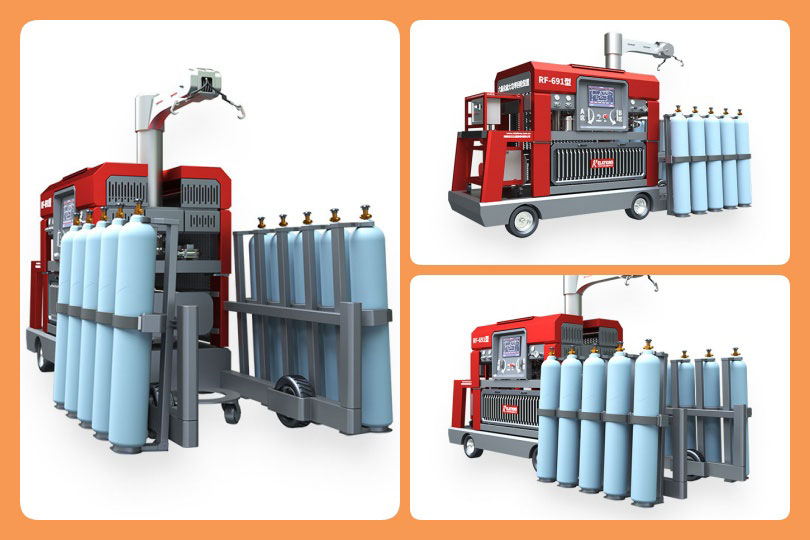
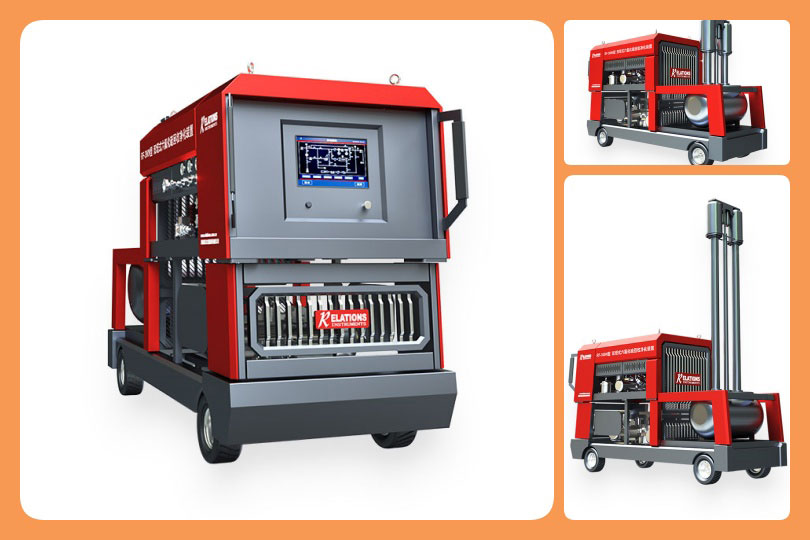
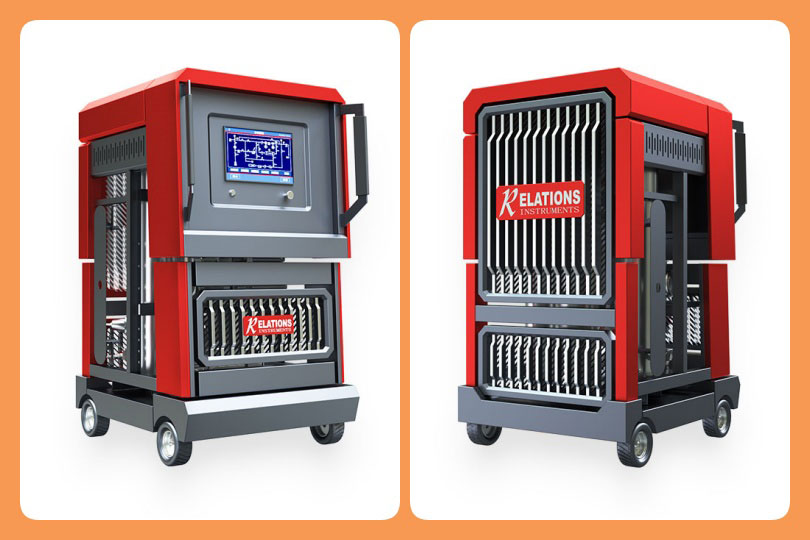
A custom quote SF6 gas reuse system for GIS maintenance project helps utilities, substations, EPC contractors, and service teams recover, purify, store, and reuse sulfur hexafluoride (SF6) during gas-insulated switchgear maintenance. Rather than venting gas or relying entirely on replacement inventory, a correctly specified system supports lower gas losses, safer maintenance workflows, cleaner gas handling, and stronger environmental accountability. The right configuration depends on GIS voltage class, compartment volume, annual maintenance workload, target gas-quality requirements, and site operating conditions.
Why GIS Maintenance Requires an SF6 Reuse System
SF6 is widely used in high-voltage GIS because of its excellent dielectric strength and arc-quenching performance. However, SF6 also has a very high global warming potential, so responsible lifecycle management is essential. During overhaul, fault investigation, density relay replacement, gas compartment opening, or commissioning work, gas must be removed and handled in a controlled manner.
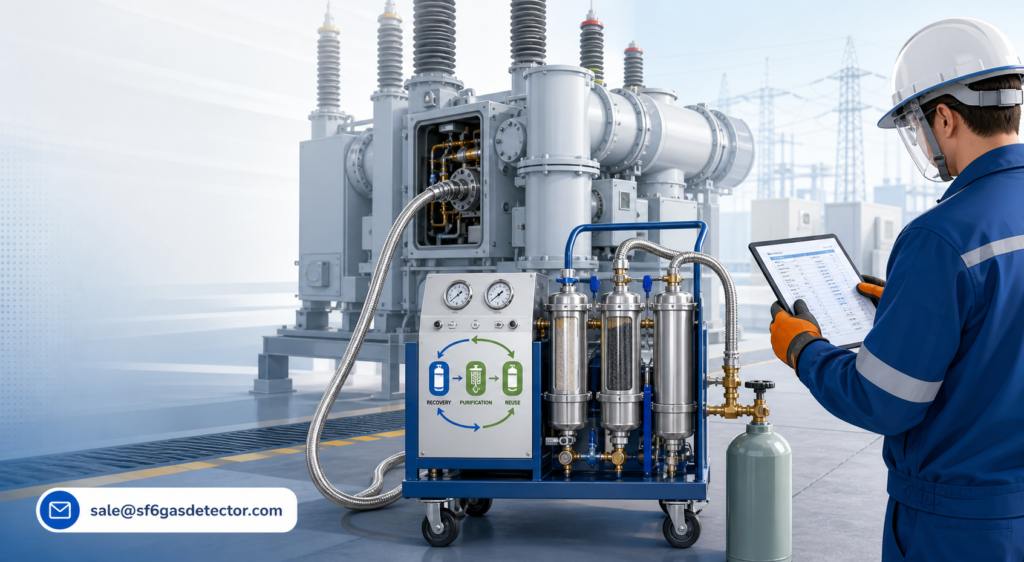
A custom quote SF6 gas reuse system for GIS maintenance project is designed to transfer gas from GIS compartments into approved storage vessels, remove moisture and decomposition contaminants when required, and return qualified gas to service. This approach helps organizations maintain gas quality while reducing procurement pressure and minimizing emissions risks.
For planned maintenance, the system should be evaluated as part of the complete gas-handling procedure rather than as a standalone machine. Compatible hoses, self-sealing couplings, cylinders or tanks, vacuum accessories, gas analyzers, filters, and operator training all affect the final outcome.
Core Equipment Functions and Technical Parameters
A properly configured SF6 recovery and reuse package usually integrates several functions. The exact combination should be selected through a project-specific engineering review.
Gas Recovery and Transfer Capacity
Recovery capacity determines how quickly gas can be withdrawn from a GIS compartment. For routine substation work, portable recovery units may be suitable. For large GIS stations, centralized or high-capacity systems can reduce outage time and improve labor efficiency.
Key considerations include:
- GIS gas volume per compartment and total station gas inventory
- Required evacuation and recovery duration
- Number of maintenance teams working simultaneously
- Distance between GIS bays and storage area
- Required final recovery pressure
A custom quote SF6 gas reuse system for GIS maintenance project should state the rated recovery rate, operating pressure range, compressor type, power supply, and expected residual pressure under defined conditions.
Vacuum Performance
Before refilling GIS equipment, compartments are normally evacuated to remove air and moisture. Vacuum performance is critical because residual moisture or air can affect insulation performance and gas quality.
Important parameters include ultimate vacuum level, vacuum pump flow rate, hose diameter, leakage control, and the ability to monitor pressure during evacuation. For high-voltage applications, field procedures should follow the GIS manufacturer’s instructions and the utility’s approved maintenance plan.
Gas Purification and Filtration
Used SF6 may contain moisture, air, oil vapor, or decomposition by-products created by electrical faults or arcing. A purification stage may use replaceable filters or adsorption media to reduce contaminants before gas is reused.
The required treatment level should be based on gas analysis, maintenance history, and applicable acceptance limits. A system should not be assumed to make severely contaminated gas reusable without verification. When fault by-products are suspected, trained personnel should use appropriate PPE, containment methods, and waste-handling procedures.
Storage and Refill Control
Recovered SF6 is commonly stored in certified cylinders or dedicated tanks. Storage capacity must match the largest expected gas quantity, with a reasonable operational reserve. Load cells or weighing systems can improve gas inventory control and reduce the possibility of overfilling cylinders.
For reliable refilling, the system should support controlled gas transfer, pressure monitoring, leak-tight connections, and accurate records of gas recovered, purified, added, and returned to service.
Compliance and Safety Requirements
A custom quote SF6 gas reuse system for GIS maintenance project should be aligned with recognized industry requirements, local environmental rules, and the equipment manufacturer’s operating procedures. Relevant references may include IEC 62271 series requirements for high-voltage switchgear, IEC 60480 guidance for the reuse and handling of SF6, and IEC 60376 specifications for new technical-grade SF6.
For gas quality assessment, IEC 60480 is particularly relevant when determining whether used SF6 can be reused after treatment. Occupational exposure controls are also important when decomposition products may be present. Workers should follow site risk assessments, chemical safety data, lockout/tagout rules, confined-space requirements where applicable, and approved waste-disposal processes.
Cylinders, pressure vessels, valves, and transport arrangements must comply with the regulations applicable in the project country. In many regions, this includes transport rules for hazardous materials and pressure-equipment requirements. Certificates, calibration records, inspection documents, and maintenance logs should be retained for traceability.
How to Build a Project-Specific System Specification
The most effective custom quote SF6 gas reuse system for GIS maintenance project begins with a clear application brief. Procurement teams should provide data that enables a supplier to select the correct system size and accessories.
Essential Information for a Technical Quotation
Provide the following details:
- GIS manufacturer, voltage level, model, and number of gas compartments
- Maximum and typical SF6 gas quantity to be handled
- Required recovery, vacuum, purification, and refill functions
- Available site power supply and frequency
- Indoor, outdoor, mobile, or trailer-mounted operating environment
- Required hose lengths, coupling standards, and cylinder connections
- Target delivery schedule, documentation, and commissioning support
- Local compliance, certification, and language requirements
For a faster project evaluation, request a custom SF6 gas reuse system quotation with these operating details attached. A complete data set allows suppliers to recommend capacity, filtration stages, storage options, and compatible accessories without unnecessary oversizing.
Scenario-Based Recommendations
Routine GIS Preventive Maintenance
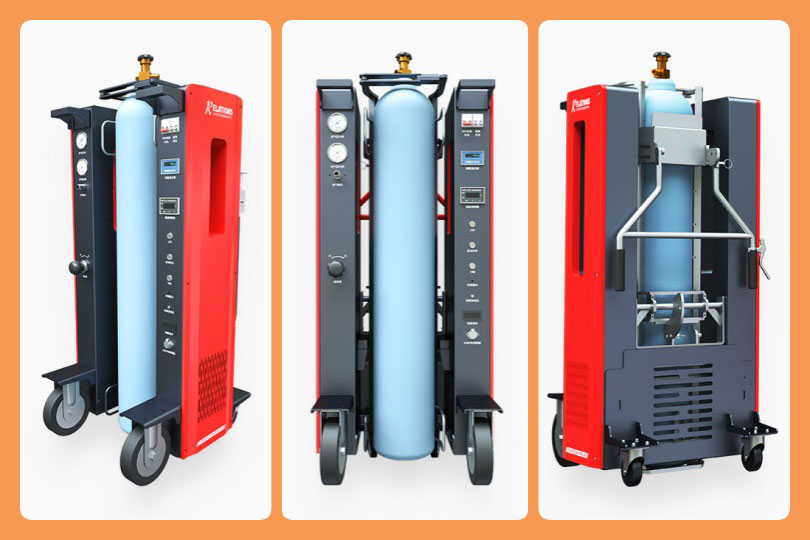
For periodic density checks, seal replacement, and scheduled inspections, a portable unit with moderate recovery capacity, vacuum capability, cylinder connection hoses, and basic gas-quality testing may be sufficient. Mobility, rapid setup, and durable couplings are often more valuable than maximum throughput.
Large Substation Overhaul
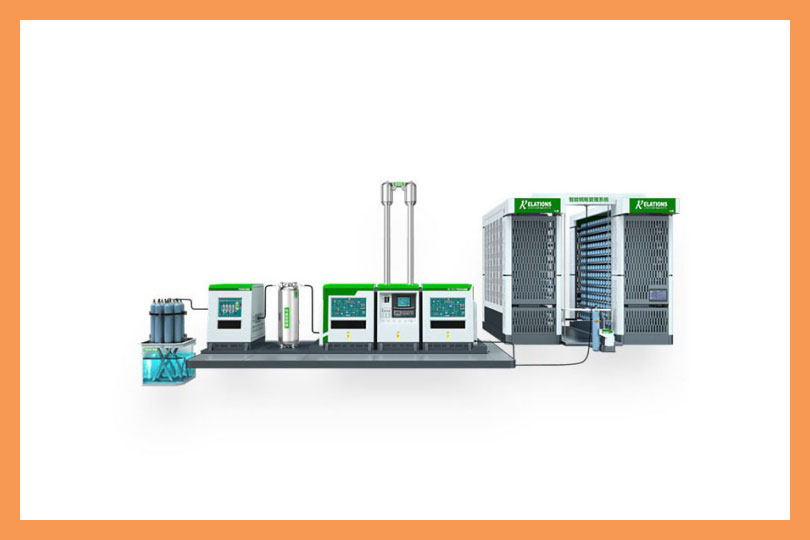
A large outage may involve multiple GIS bays and significant gas volumes. In this case, a higher-capacity custom quote SF6 gas reuse system for GIS maintenance project can include larger storage capacity, parallel gas handling, enhanced purification, automated pressure monitoring, and additional hose sets. This configuration reduces waiting time between maintenance stages.
Fault Investigation and Contaminated Gas Handling
After an internal arc or abnormal switching event, gas may contain harmful decomposition products. The project solution should include suitable filtration, gas analysis, sealed collection procedures, protective equipment requirements, and a defined route for waste media. Reuse should occur only after documented testing confirms that gas quality meets the required criteria.
Frequently Asked Questions
Can recovered SF6 always be reused?
No. Recovered gas must be analyzed and evaluated against the applicable gas-quality criteria. If moisture, air, oil, or decomposition products exceed acceptable limits, additional treatment or authorized disposal may be required.
What makes a system “custom” for GIS maintenance?
Customization can include recovery capacity, vacuum level, storage size, purification media, coupling types, hose lengths, control functions, power configuration, transport frame, and documentation required for a specific GIS site or maintenance contractor.
Is gas analysis necessary before refilling GIS?
Yes. Gas analysis supports informed decisions about purity, moisture, and decomposition products. It is an important quality-control step before gas is returned to high-voltage equipment.
How can a contractor reduce SF6 emissions during maintenance?
Use leak-tight self-sealing couplings, correctly sized recovery equipment, calibrated measuring devices, documented transfer procedures, and trained operators. Maintain complete gas inventory records from recovery through refilling.
For complex installations or multi-bay outage planning, obtain one-on-one guidance from SF6 handling engineers to match the recovery, purification, storage, and compliance requirements to the actual GIS maintenance scope.