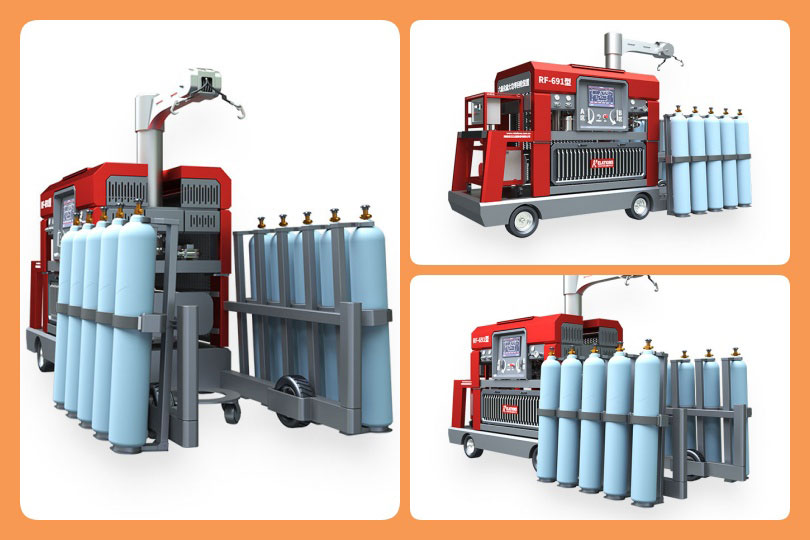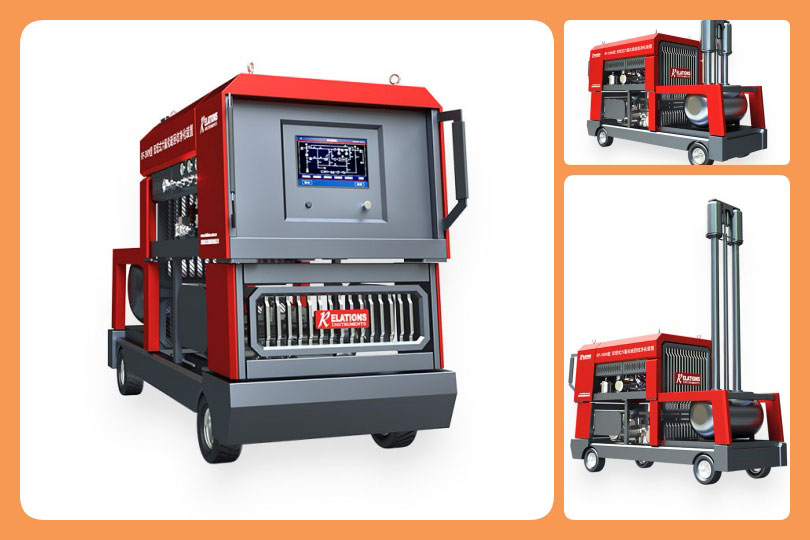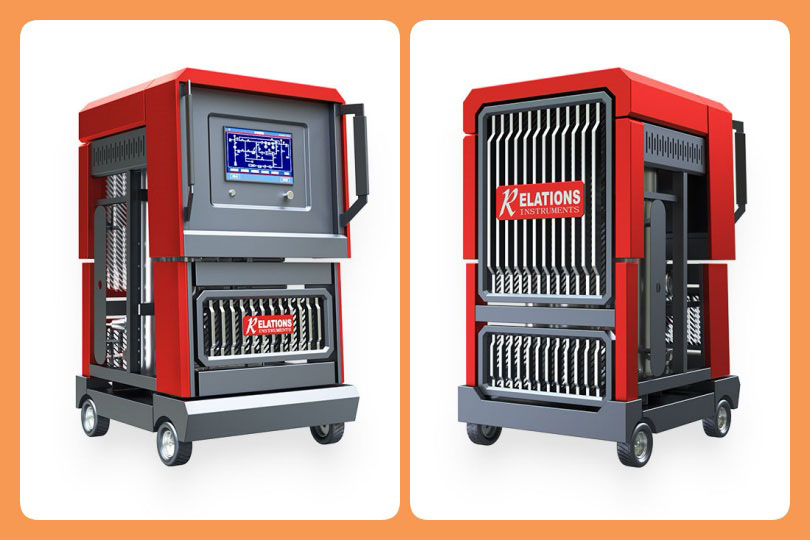
SF6 Gas Detector Factory Direct for Reliable Substation Maintenance
Date
2026-10-26
[email protected]
Website
www.sf6gasdetector.com
Get Solutions And Quotes
Contact Factory
SF6 Gas Detector Factory Direct for Reliable Substation Maintenance
Reliable gas monitoring is essential to the safe operation of gas-insulated switchgear (GIS), circuit breakers, transformers, and other high-voltage assets. Selecting an SF6 gas detector factory direct for substation maintenance gives utilities, service contractors, and industrial operators direct access to technical support, traceable calibration, customized configurations, and competitive procurement costs. More importantly, the correct detector helps maintenance teams identify SF6 leaks early, protect personnel, reduce greenhouse-gas emissions, and maintain asset reliability.
SF6, or sulfur hexafluoride, is widely used as an insulating and arc-quenching medium in high-voltage electrical equipment. Although it performs exceptionally well electrically, SF6 has a very high global warming potential. Accurate detection, controlled handling, and timely leak repair are therefore essential operational responsibilities.
Why Factory-Direct SF6 Detection Matters for Substation Teams
Choosing an SF6 gas detector factory direct for substation maintenance can simplify purchasing while improving confidence in product quality. Instead of relying solely on intermediaries, buyers can communicate with the manufacturer regarding measuring range, sensor technology, calibration procedures, certificates, accessories, and after-sales service.
A factory-direct supply model is particularly valuable when maintenance departments need consistent instruments across several substations. Standardized equipment reduces training time, supports uniform inspection procedures, and makes spare-part management easier.
Key benefits include:
- Direct technical consultation before purchase
- Product configuration based on actual GIS or breaker maintenance tasks
- Better traceability for serial numbers, calibration records, and quality documentation
- Faster access to sensors, probes, filters, chargers, and repair services
- Potential cost advantages for project quantities or annual maintenance contracts
For utility buyers, an SF6 gas detector factory direct for substation maintenance should provide more than a handheld instrument. It should include a complete quality and service system suitable for critical electrical infrastructure.
Essential Parameters for an SF6 Gas Detector
Not all gas detectors are designed for the same application. A portable leak detector used for routine walk-around inspections is different from a precision analyzer used during gas filling, recovery, and commissioning. Before purchasing, define the task, environment, and expected measurement accuracy.
Detection Sensitivity and Measurement Range
For substation leak inspection, sensitivity is often the most important parameter. A high-quality SF6 leak detector should identify small leaks around flanges, valves, density monitors, cable terminations, bushings, and gas compartments.
Depending on the instrument design, specifications may be expressed in ppmv, g/year, or another standardized leakage unit. Maintenance managers should verify that the sensitivity matches their internal inspection criteria and applicable environmental requirements.
A suitable SF6 gas detector factory direct for substation maintenance should clearly state:
- Minimum detectable leak rate or concentration
- Response and recovery time
- Sensor operating principle
- Warm-up time
- Alarm type, such as audible, visual, or vibration alarm
- Data logging and export capability, if required
Sensor Technology and Field Reliability
Infrared, non-dispersive infrared (NDIR), thermal conductivity, ultrasonic, and other detection methods may be used depending on the application. For selective SF6 leak detection, the sensor should provide stable performance in normal substation environments where humidity, wind, temperature variation, and background gases may affect readings.
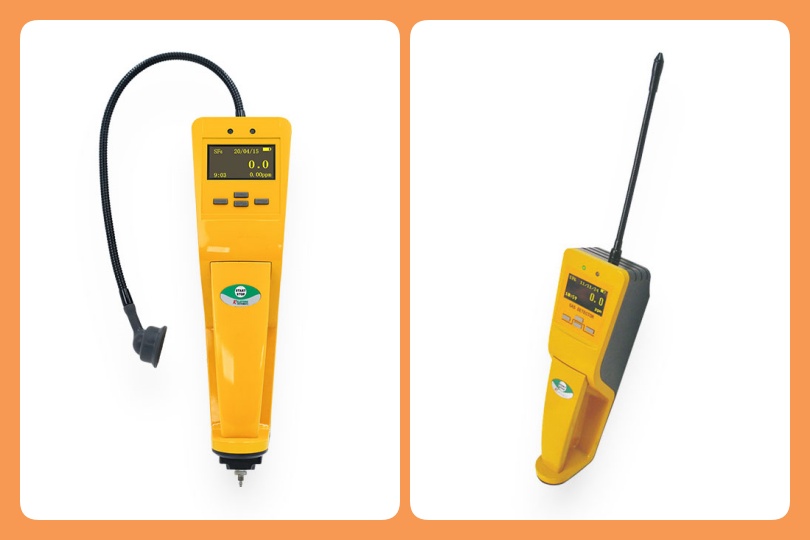
Handheld units should also have practical field features, including flexible probes, clear displays, rechargeable batteries, robust enclosures, and replaceable filters. If inspections are performed outdoors, consider ingress protection, operating temperature, and display visibility in sunlight.
Calibration and Traceability
Calibration is essential for dependable gas measurements. A professional SF6 gas detector factory direct for substation maintenance supplier should provide documented calibration procedures and traceability options. For critical applications, buyers may request calibration certificates linked to recognized national or international measurement standards.
Periodic verification should be included in the maintenance plan. The correct calibration interval depends on instrument type, frequency of use, environmental conditions, and the manufacturer’s instructions.
Compliance and Quality Documentation to Request
Substation maintenance equipment should be selected with applicable standards and local regulations in mind. While certification requirements vary by market and installation location, reputable manufacturers generally provide relevant quality and conformity documents.
Common Documentation for International Projects
Depending on the product and destination market, request:
- ISO 9001 quality management system certification
- CE conformity documentation for applicable European market requirements
- RoHS documentation where applicable
- EMC and electrical safety test reports
- Battery transport documentation, such as UN38.3, for lithium-powered portable instruments
- Product manuals, safety instructions, and calibration records
- Warranty terms and after-sales service procedures
For electrical industry practices, maintenance teams should also align their SF6 handling procedures with applicable IEC standards, utility specifications, and local environmental regulations. Relevant guidance may include IEC 62271 series requirements for high-voltage switchgear and established SF6 handling practices used by the power industry.
Scenario-Based Solutions for Substation Maintenance
Routine GIS and Circuit Breaker Leak Surveys
For monthly, quarterly, or annual inspections, a portable detector with high sensitivity and a flexible gooseneck probe is usually the most practical solution. Technicians can inspect sealing points, gas valves, pressure-monitoring devices, and enclosure joints without shutting down equipment unnecessarily.
An SF6 gas detector factory direct for substation maintenance package for this scenario should include a protective carrying case, spare filters, battery charger, user manual, and calibration support.
Emergency Response to Low-Density Alarms
When a gas density relay signals a potential loss of pressure, maintenance personnel need rapid confirmation. A responsive SF6 detector helps localize the suspected leak before recovery or repair work begins. This reduces downtime and avoids unnecessary dismantling of high-voltage equipment.
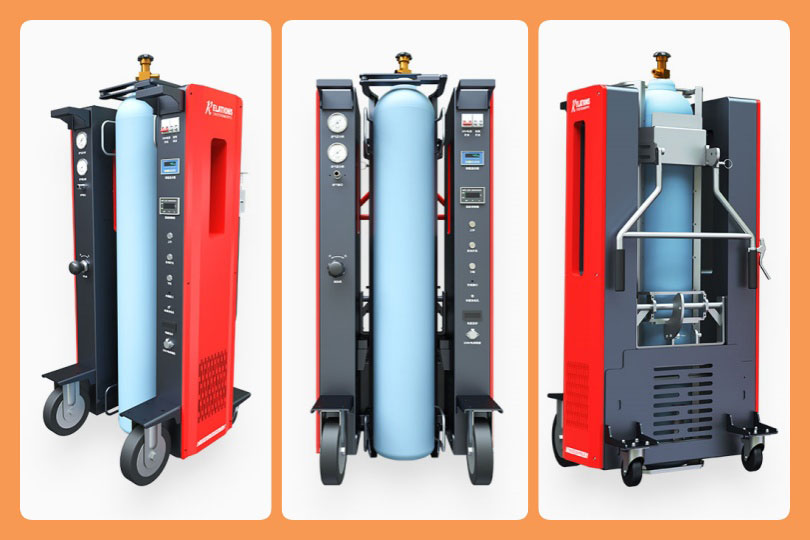
In this situation, technicians should follow site safety procedures, isolate hazards as required, verify ventilation, and use appropriate personal protective equipment. Any gas recovery must be completed with approved handling equipment to prevent unnecessary atmospheric release.
Commissioning and Post-Repair Verification
After gasket replacement, flange tightening, or equipment reassembly, leak testing is essential before returning the gas compartment to normal service. Precision instruments and documented test results support acceptance procedures and maintenance records.
For fleet-wide projects, factory-direct suppliers can often provide consistent model configurations, operator training materials, and batch calibration documentation.
How to Evaluate a Factory-Direct Supplier
A credible manufacturer should be transparent about its production capability, inspection process, sensor sourcing, calibration equipment, and warranty response. Avoid selecting equipment based only on price or a headline sensitivity figure.
Ask practical questions:
- Is the detector designed specifically for SF6 leak detection?
- Can the manufacturer provide genuine calibration and inspection records?
- Are spare probes, sensors, filters, and batteries available?
- What is the repair turnaround time?
- Is remote technical support available for field teams?
- Can the product be configured for local language, power plug, or project documentation requirements?
A dependable SF6 gas detector factory direct for substation maintenance provider should answer these questions clearly and support the product throughout its service life.
Frequently Asked Questions
What is the main purpose of an SF6 gas detector in a substation?
An SF6 gas detector identifies leaks from GIS, circuit breakers, and other gas-insulated equipment. Early leak detection supports equipment reliability, worker safety, gas inventory control, and environmental compliance.
How often should an SF6 detector be calibrated?
Follow the manufacturer’s recommendation and your utility’s quality procedures. Many organizations arrange annual calibration or more frequent verification for heavily used instruments or critical measurements.
Can one detector be used for both leak detection and gas purity analysis?
Not always. A portable leak detector is designed to locate escaping SF6, while a gas analyzer may measure purity, moisture, and decomposition products. Confirm the intended application before purchase.
Why buy an SF6 gas detector factory direct for substation maintenance?
Factory-direct purchasing can provide direct technical communication, documented calibration support, customized accessories, consistent quality control, and better long-term service for substation maintenance programs.