SF6 Gas Detector Bulk Purchase for Substation Projects | China Factory
Date
2026-10-26
[email protected]
Website
www.sf6gasdetector.com
Get Solutions And Quotes
Contact Factory
SF6 Gas Detector Bulk Purchase for Substation Projects | China Factory
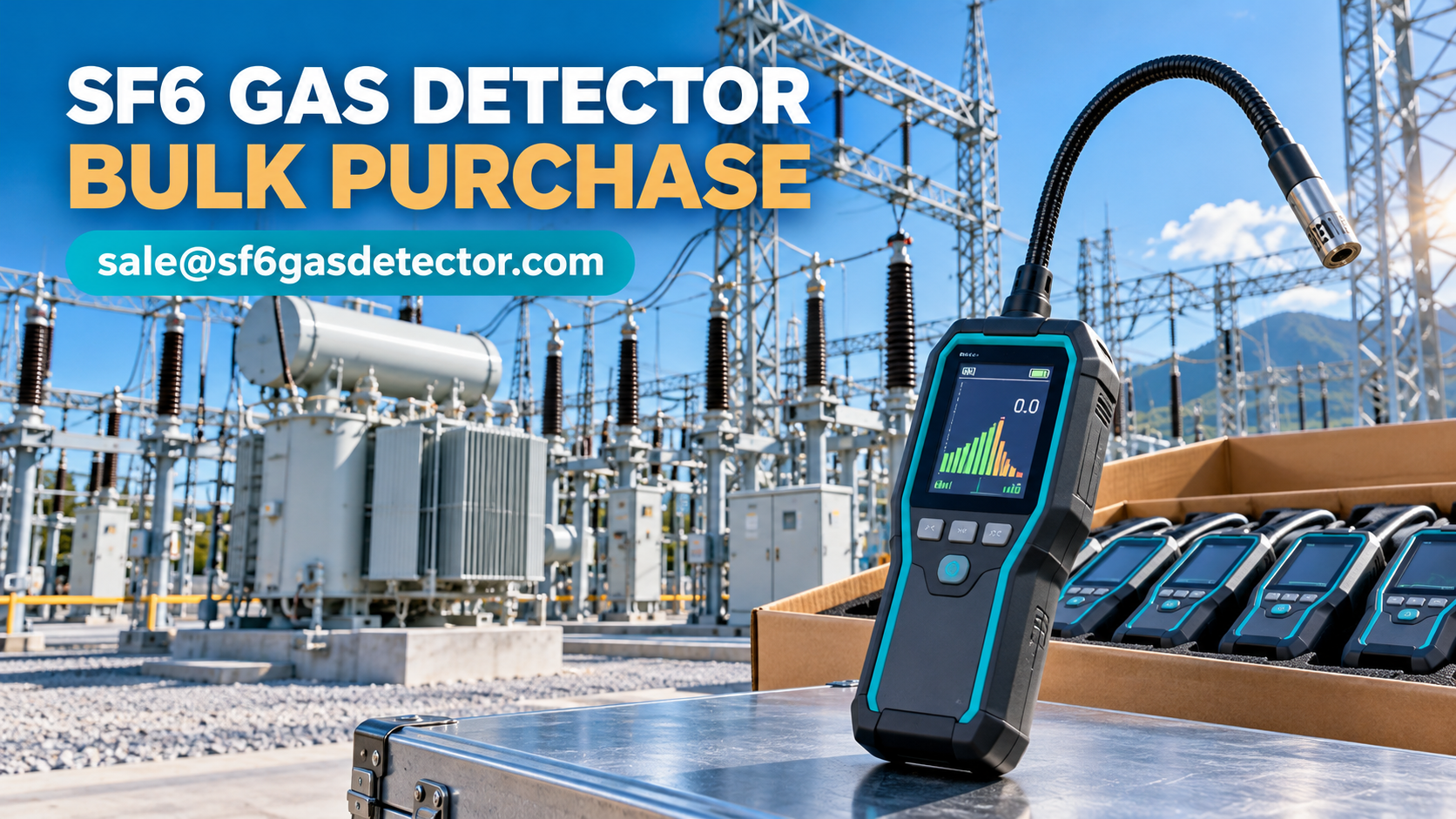
An SF6 gas detector bulk purchase from China factory for substation projects can help utilities, EPC contractors, and switchgear manufacturers control procurement costs while maintaining reliable gas-leak monitoring across high-voltage assets. SF6-insulated equipment remains widely used in gas-insulated switchgear (GIS), circuit breakers, ring main units, and other compact power-system installations. Because sulfur hexafluoride has a very high global warming potential, accurate leak detection is essential for equipment reliability, environmental compliance, worker safety, and lifecycle asset management.
For project buyers, the right sourcing decision is not simply about choosing the lowest unit price. A successful SF6 gas detector bulk purchase from China factory for substation projects requires verification of measurement performance, certification documentation, calibration capability, manufacturing consistency, delivery capacity, and after-sales technical support.
Why SF6 Monitoring Matters in Substation Operations
SF6 is chemically stable, non-flammable, and offers excellent dielectric strength. These characteristics make it valuable in medium- and high-voltage electrical equipment. However, even small leaks can create operational and environmental concerns.
In a substation environment, SF6 leakage may lead to:
- Reduced insulation performance in GIS and circuit breakers
- Increased maintenance frequency and gas replenishment costs
- Difficulty meeting corporate greenhouse-gas reporting targets
- Potential exposure to harmful decomposition by-products after arcing events
- Unplanned outages or asset reliability risks
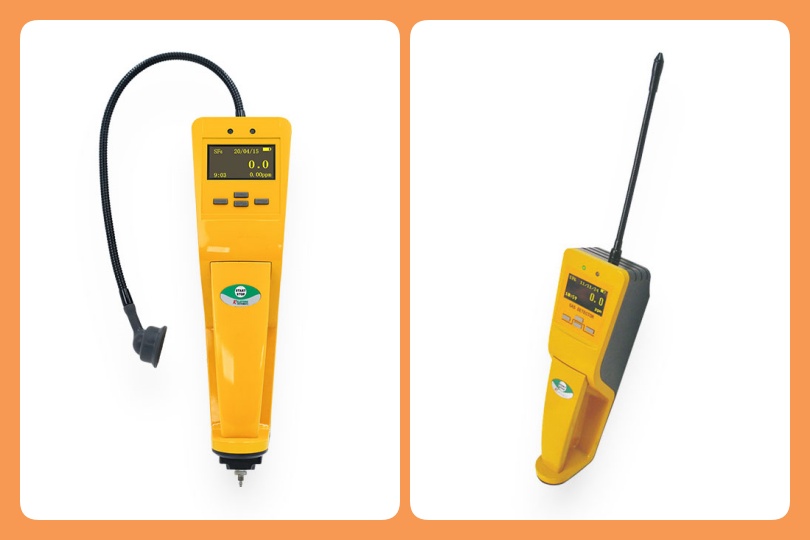
An industrial SF6 gas detector enables maintenance teams to identify leakage points around flanges, valves, density-monitor connections, seals, and gas compartments. For multi-site projects, a standardized procurement program ensures that all teams use instruments with consistent sensitivity, reporting methods, and calibration procedures.
Key Specifications for an SF6 Gas Detector
When planning an SF6 gas detector bulk purchase from China factory for substation projects, buyers should define technical requirements before requesting quotations. A factory should be able to provide a complete datasheet, operating manual, calibration statement, and quality-control records for each model.
Detection Principle and Sensitivity
Portable SF6 leak detectors commonly use infrared sensing, electron capture detection, or other selective gas-sensing technologies. The best option depends on the required detection limit, operating environment, response time, and maintenance expectations.
For substation maintenance, evaluate:
- Minimum detectable leak rate
- Adjustable sensitivity levels
- Response and recovery time
- Sensor service life
- Selectivity against common interfering gases
- Audible, visual, and vibration alarm functions
A high-sensitivity SF6 gas leak detector is particularly important for GIS rooms, underground substations, and enclosed electrical facilities where early identification of minor leakage supports preventive maintenance.
Measurement Range and Alarm Settings
The detector should match the intended use. Handheld sniffers are generally selected for locating localized leaks, while fixed SF6 monitoring systems may be required for continuous room monitoring. Confirm whether the instrument displays leak rate, concentration, or both, and ensure that alarm thresholds can be configured for the project’s operating procedures.
Probe Design and Field Durability
Substation technicians often inspect difficult-to-access locations. A flexible probe, clear display, rugged enclosure, stable pump performance, and ergonomic operation can significantly improve field productivity. For outdoor work, confirm the applicable ingress-protection rating, operating temperature range, battery runtime, charging method, and resistance to vibration.
Compliance Documents and Quality Assurance
A credible Chinese manufacturer should provide traceable evidence that its products are designed and produced under recognized quality-management controls. ISO 9001 certification is commonly expected for manufacturing quality systems. Depending on the export market and product configuration, buyers may also require CE compliance documentation, RoHS declarations, EMC test reports, or other region-specific conformity materials.
For an SF6 gas detector bulk purchase from China factory for substation projects, request the following before placing a purchase order:
- ISO 9001 certificate for the production facility
- Product technical datasheet and user manual in English
- Factory inspection or incoming-quality-control procedure
- Calibration certificate or test report for each unit
- CE, EMC, RoHS, or other applicable market-access documents
- Warranty terms and spare-parts availability
- Batch traceability through serial numbers or QR codes
Standards such as IEC 62271 for high-voltage switchgear and controlgear can help define the equipment environment and maintenance expectations. However, buyers should confirm that the detector itself is supported by the correct product-specific testing and regulatory documentation for the destination market.
How to Evaluate a China Factory for Bulk Orders
A direct factory relationship can provide better pricing, customization, and batch consistency than purchasing through multiple trading channels. Still, the factory must demonstrate genuine engineering and manufacturing capability.
Verify Production and Calibration Capability
Ask whether the supplier performs final functional testing, leak-rate verification, sensor aging tests, and calibration checks in-house. A factory with controlled calibration equipment and documented inspection procedures is better positioned to deliver consistent instruments across a large order.
For high-volume projects, request pre-production samples and establish an approved “golden sample” before mass production. This sample should define the accepted configuration, probe type, language settings, accessories, labels, packaging, and performance criteria.
Confirm Customization Options
Substation contractors may require private labels, project-specific asset tags, multilingual manuals, customized carrying cases, or bundled replacement filters and probes. A professional manufacturer should clearly state minimum order quantities, lead times, engineering charges, and approval timelines for customized SF6 gas detection equipment.
Protect Delivery and Warranty Performance
For overseas deployments, clarify Incoterms, packaging requirements, export documentation, shipping methods, and expected production lead time. Include an inspection plan in the purchase contract, covering quantity verification, appearance checks, functional testing, serial-number records, and packaging inspection.
Scenario-Based Procurement Solutions
Utility-Wide Preventive Maintenance Programs
Utilities managing numerous substations typically benefit from standardized handheld detectors distributed to regional maintenance teams. A bulk order should include spare batteries, chargers, filters, probes, and annual calibration support. Standardization reduces training time and improves the comparability of maintenance records.
EPC Projects for New GIS Substations
For a new GIS installation, the SF6 gas detector should be procured alongside commissioning tools and safety equipment. The project specification should define acceptance testing, detector sensitivity, documentation language, and delivery milestones. Purchasing from one qualified factory can simplify supplier coordination and ensure consistent equipment across substations.
Indoor or Underground Substations
Enclosed facilities may require both portable leak detection and fixed SF6 monitoring systems. Portable units locate the precise source of a leak, while fixed systems can provide continuous concentration alarms and support emergency response procedures. The final design should consider ventilation, room layout, gas dispersion behavior, and site safety rules.
Frequently Asked Questions
What should be included in an SF6 gas detector bulk order?
A complete order normally includes the detector, flexible probe, charger, battery or battery pack, carrying case, operating manual, calibration or test certificate, and warranty documentation. For long-term projects, order spare probes, filters, batteries, and charging accessories.
Can a China factory provide CE and ISO documentation?
Many established manufacturers can provide ISO 9001 certification and applicable CE-related documentation. Buyers should always verify document validity, product model coverage, issuing organization, and destination-market requirements before shipment.
How often should an SF6 gas detector be calibrated?
Calibration frequency depends on the manufacturer’s instructions, instrument technology, usage frequency, and the utility’s quality-management policy. Annual calibration is common, but critical applications may require more frequent verification.
What is the best way to reduce procurement risk?
Start with technical specifications, approve a sample, verify certifications, conduct a factory audit or third-party inspection when appropriate, and include clear quality, delivery, warranty, and calibration requirements in the purchase contract.
A carefully managed SF6 gas detector bulk purchase from China factory for substation projects gives power-sector buyers an effective path to reliable leak detection, consistent maintenance practices, and controlled project costs. By prioritizing verified performance, compliance documentation, calibration traceability, and factory quality systems, organizations can source equipment that supports safer and more sustainable substation operations.