Top SF6 Gas Detector Manufacturer for Reliable GIS Switchgear Monitoring
Date
2026-10-26
[email protected]
Website
www.sf6gasdetector.com
Get Solutions And Quotes
Contact Factory
Top SF6 Gas Detector Manufacturer for Reliable GIS Switchgear Monitoring
Selecting an SF6 gas detector manufacturer for GIS switchgear is a critical decision for utilities, substations, transmission operators, and industrial power users. Gas-insulated switchgear (GIS) depends on sulfur hexafluoride (SF6) for dielectric insulation and arc interruption, making accurate gas monitoring essential for equipment reliability, personnel safety, environmental compliance, and maintenance efficiency. A professional detector supplier should provide more than an instrument: it should deliver traceable measurement performance, documented compliance, technical support, and solutions tailored to real GIS operating conditions.
An experienced SF6 gas detector manufacturer for GIS switchgear helps users identify gas leakage early, verify gas purity, monitor moisture content, and reduce the risk of insulation degradation or unplanned outages.
Why SF6 Monitoring Is Essential for GIS Switchgear
GIS switchgear is designed for compact, reliable operation in high-voltage substations, offshore platforms, industrial plants, rail systems, and renewable energy facilities. However, even sealed GIS equipment can experience slow SF6 leakage through aging seals, damaged flanges, pressure relief devices, valves, or mechanical connections.
Undetected leakage creates several operational concerns:
- Reduced gas density and insulation strength
- Increased risk of partial discharge and flashover
- Moisture contamination that lowers dielectric performance
- Higher maintenance costs and unplanned shutdowns
- Increased SF6 emissions, which affect environmental reporting obligations
A qualified SF6 gas detector manufacturer for GIS switchgear provides instruments that allow maintenance teams to locate leaks quickly, assess gas quality, and make evidence-based service decisions before a small issue becomes a major failure.
Core SF6 Gas Detection Parameters for GIS Applications
Different maintenance tasks require different measurement functions. Before choosing a detector, operators should define whether they need portable leak detection, gas quality analysis, online density monitoring, or a complete SF6 condition assessment system.
SF6 Leakage Detection Sensitivity
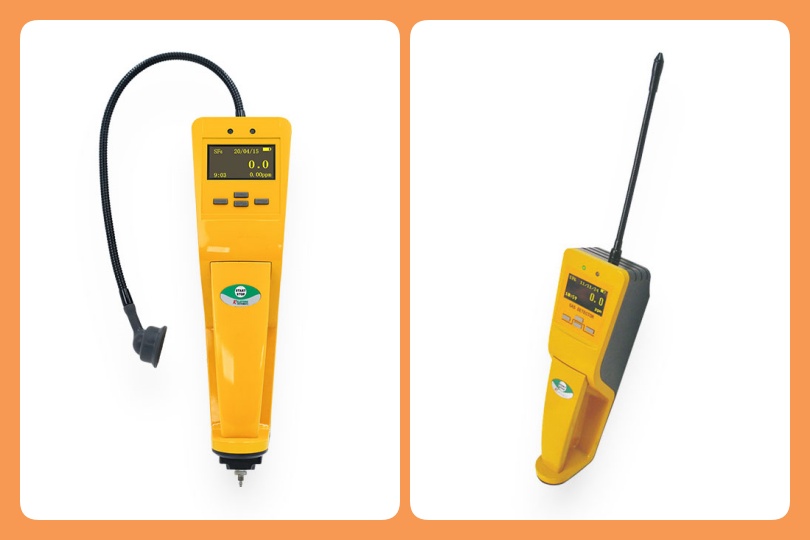
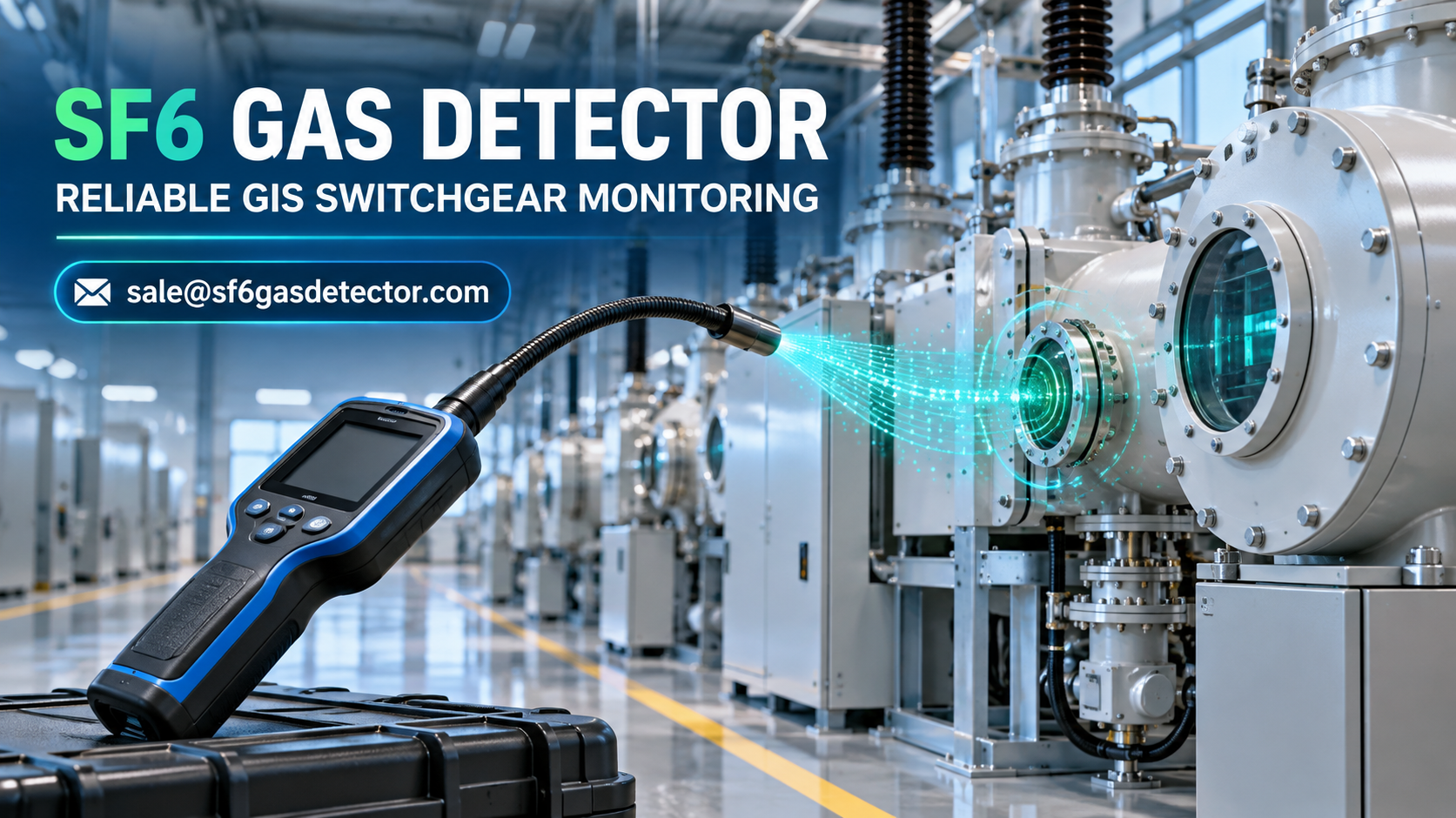
For leak location around GIS compartments, circuit breakers, bushings, cable terminations, and gas handling connections, sensitivity is a primary selection factor. High-quality portable SF6 leak detectors commonly use infrared sensing technology, allowing selective detection without the use of radioactive sources.
Important technical parameters include:
- Minimum detectable leak rate
- Response and recovery time
- Sensor selectivity for SF6
- Audible, visual, and vibration alarms
- Flexible probe length for confined GIS locations
- Battery endurance for field inspections
A reliable SF6 gas detector manufacturer for GIS switchgear should state leak-rate performance clearly in its technical documentation and provide calibration procedures that support consistent field results.
SF6 Purity, Moisture, and Decomposition Product Testing
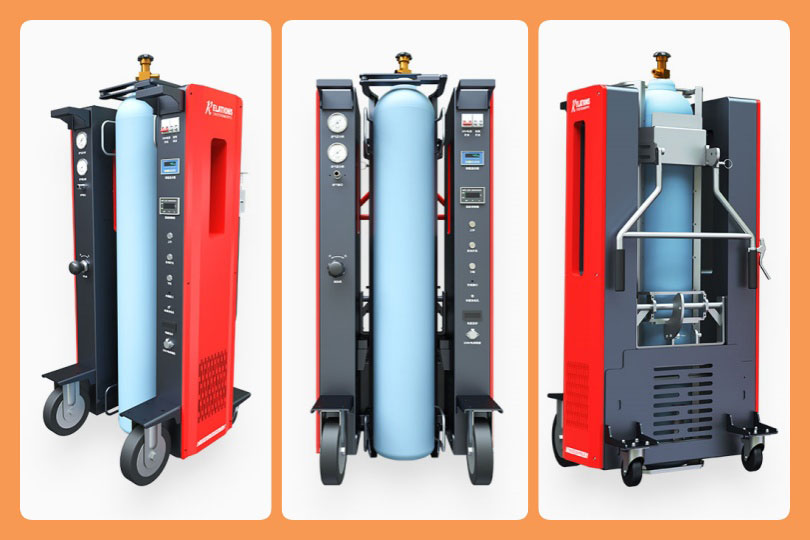
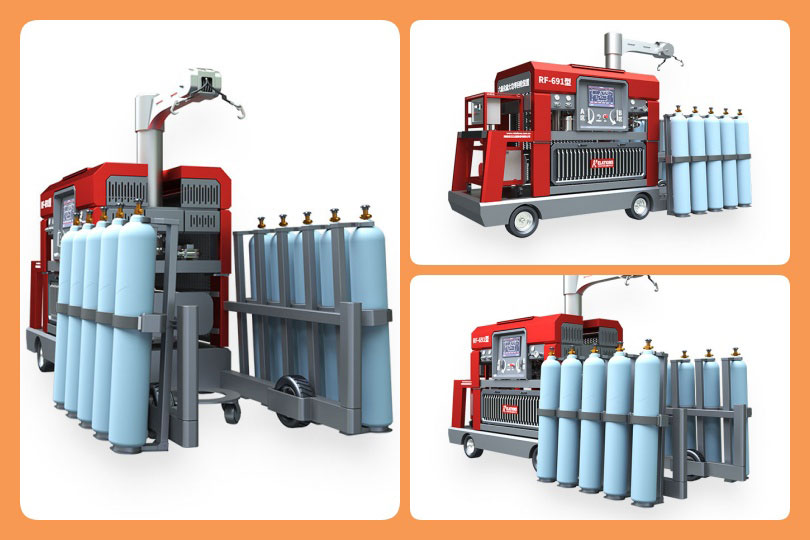
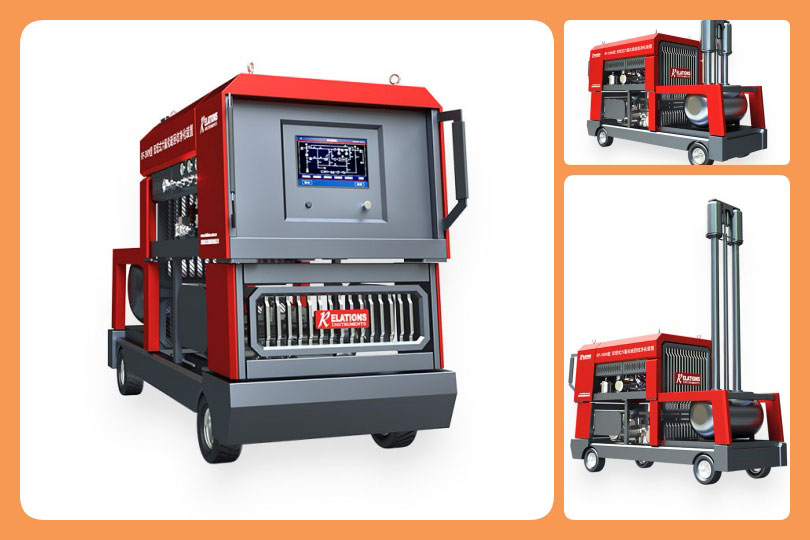
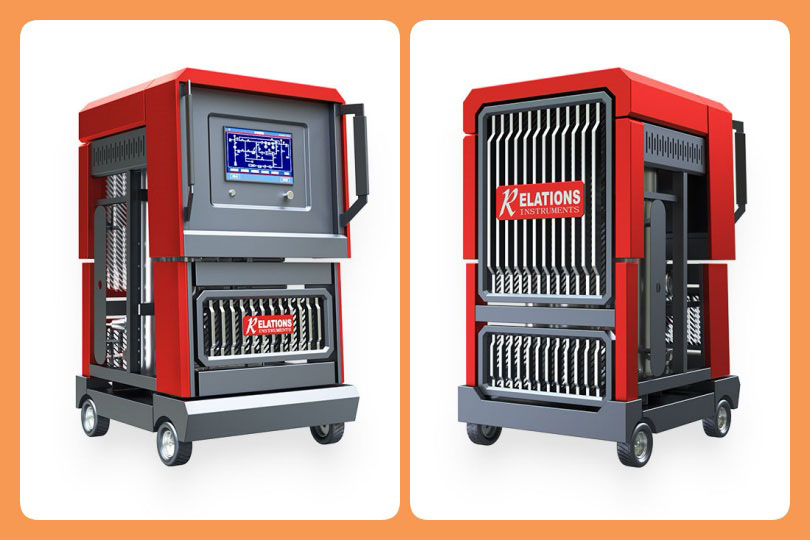
Where GIS maintenance requires gas recovery or refilling, a multifunction SF6 gas analyzer is often required. These systems can measure:
- SF6 purity, typically expressed as a percentage
- Dew point or moisture concentration
- SO2, H2S, HF, or other decomposition by-products, depending on model configuration
- Pressure and temperature compensation data
Moisture measurement is especially important because excessive water vapor can contribute to corrosion, reduced insulation margins, and chemical by-product formation during switching operations. For accurate analysis, the instrument should use stable sensor technology, have low sample-gas consumption, and support gas recovery to reduce emissions.
Gas Density and Pressure Monitoring
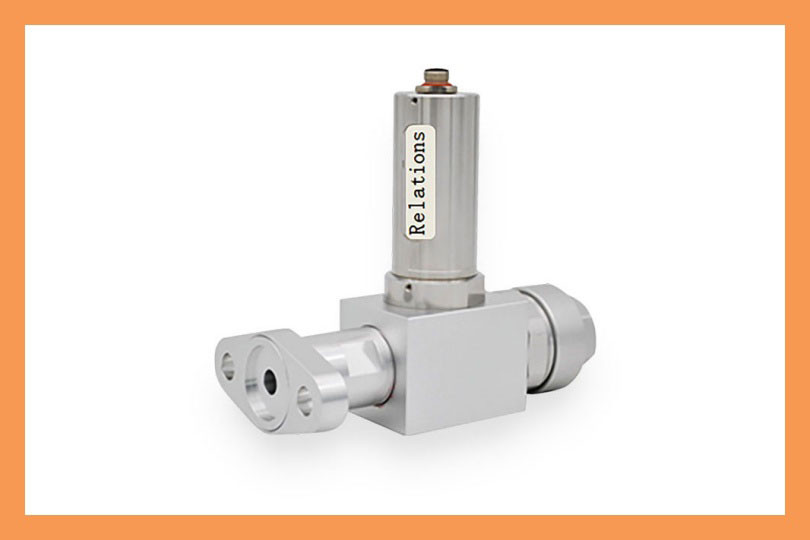
Online density monitors are used to track the condition of SF6-filled compartments over time. Unlike simple pressure gauges, compensated density monitoring accounts for temperature variation and provides a more meaningful indication of actual gas condition.
For permanent GIS installation, consider devices with:
- Temperature-compensated density measurement
- Alarm and lockout contacts
- Digital communication options such as Modbus or IEC 61850-compatible integration where applicable
- IP-rated enclosures suitable for substation environments
- Long-term calibration stability
Compliance, Quality Control, and Certification Requirements
A reputable SF6 gas detector manufacturer for GIS switchgear should demonstrate quality management and product compliance through recognized standards and documented testing. Buyers should review certification records, calibration traceability, inspection processes, and after-sales support before making a purchasing decision.
Relevant requirements may include:
- ISO 9001 quality management certification
- CE compliance for applicable electrical and electromagnetic compatibility requirements
- RoHS compliance for restricted hazardous substances, where applicable
- IEC 62271 series considerations for high-voltage switchgear applications
- IEC 60376 requirements relating to technical-grade SF6 for electrical equipment
- IEC 60480 guidance for reused SF6 and handling practices
- IEC 62271-4 guidance for SF6 handling procedures in high-voltage equipment
Compliance should not be treated as a marketing statement. It should be supported by test reports, declarations of conformity, factory inspection records, calibration certificates, and serial-number traceability.
Scenario-Based Solutions for GIS Maintenance Teams
Routine Substation Leak Surveys
For scheduled inspections, technicians need a lightweight handheld detector with fast warm-up, adjustable sensitivity, and clear alarms. A portable infrared SF6 leak detector is suitable for scanning flange joints, pressure gauges, valves, gas pipes, and breaker compartments.
The best solution is a rugged instrument with repeatable detection performance and a probe designed for difficult-to-access GIS areas.
Commissioning New GIS Equipment
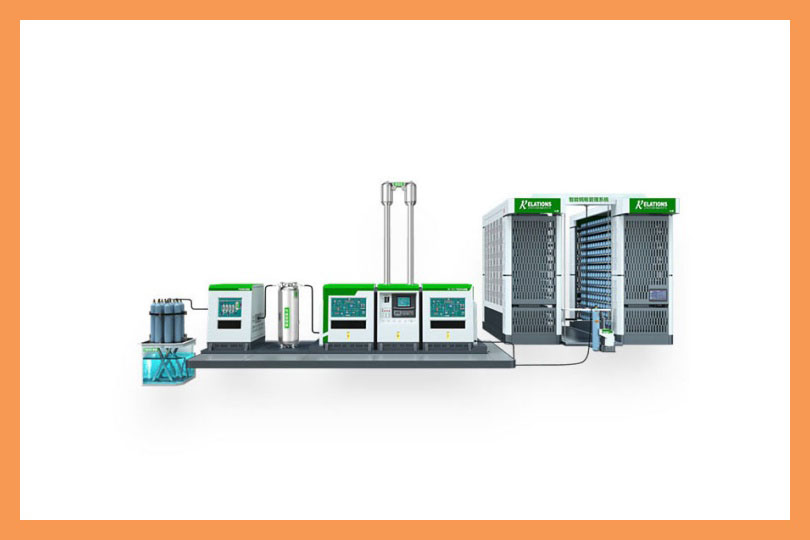
During installation and commissioning, teams may need to verify gas purity, moisture, and pressure before energization. A multi-parameter analyzer supports acceptance testing by confirming that filling gas meets site specifications and that no moisture contamination has entered the system during assembly.
An experienced SF6 gas detector manufacturer for GIS switchgear can provide a complete commissioning package that includes a gas analyzer, recovery accessories, hoses, fittings, filters, and calibration documentation.
Fault Investigation and Condition Assessment
After abnormal switching events, partial discharge alarms, or suspected internal faults, gas decomposition analysis can provide valuable diagnostic information. Detection of decomposition products may indicate electrical discharge activity, overheating, or insulation deterioration.
In this scenario, the instrument must be selected according to the expected gas components and required detection range. Proper sampling safety procedures are also essential because decomposition products can be hazardous.
How to Evaluate a Manufacturer Before Purchase
When comparing suppliers, focus on total lifecycle value rather than only initial price. A dependable SF6 gas detector manufacturer for GIS switchgear should offer technical consultation, application-specific configuration, factory testing, training, warranty coverage, spare parts availability, and responsive calibration support.
Ask practical questions before ordering:
- Is the detector designed specifically for GIS switchgear maintenance?
- What sensing method is used, and what is the stated accuracy?
- Can the manufacturer provide calibration certificates and operating manuals in English?
- Are replacement sensors, filters, probes, and batteries available?
- Does the supplier offer remote troubleshooting and local service support?
- Can the equipment recover sampled SF6 gas to support emission reduction goals?
Frequently Asked Questions
What is the best SF6 gas detector for GIS switchgear?
The best option depends on the task. Handheld infrared detectors are suitable for leak location, while multifunction analyzers are better for purity, moisture, and decomposition gas testing. Online density monitors are preferred for continuous condition monitoring.
How often should GIS switchgear be checked for SF6 leaks?
Inspection frequency should follow the equipment manufacturer’s maintenance guidance, utility procedures, operating history, and environmental reporting requirements. Many operators include SF6 leak checks in routine preventive maintenance programs and perform additional testing after repairs or abnormal alarms.
Can SF6 gas detectors be used in indoor substations?
Yes. Portable and fixed SF6 detection equipment can be used in indoor substations when selected for the site environment. In enclosed areas, ventilation, gas accumulation risks, alarm placement, and worker safety procedures should also be considered.
Why choose a certified SF6 gas detector manufacturer for GIS switchgear?
Certified manufacturers provide greater confidence in measurement accuracy, production control, documentation, and long-term technical support. This helps maintenance teams meet operational standards, maintain reliable GIS performance, and manage SF6 responsibly throughout the equipment lifecycle.