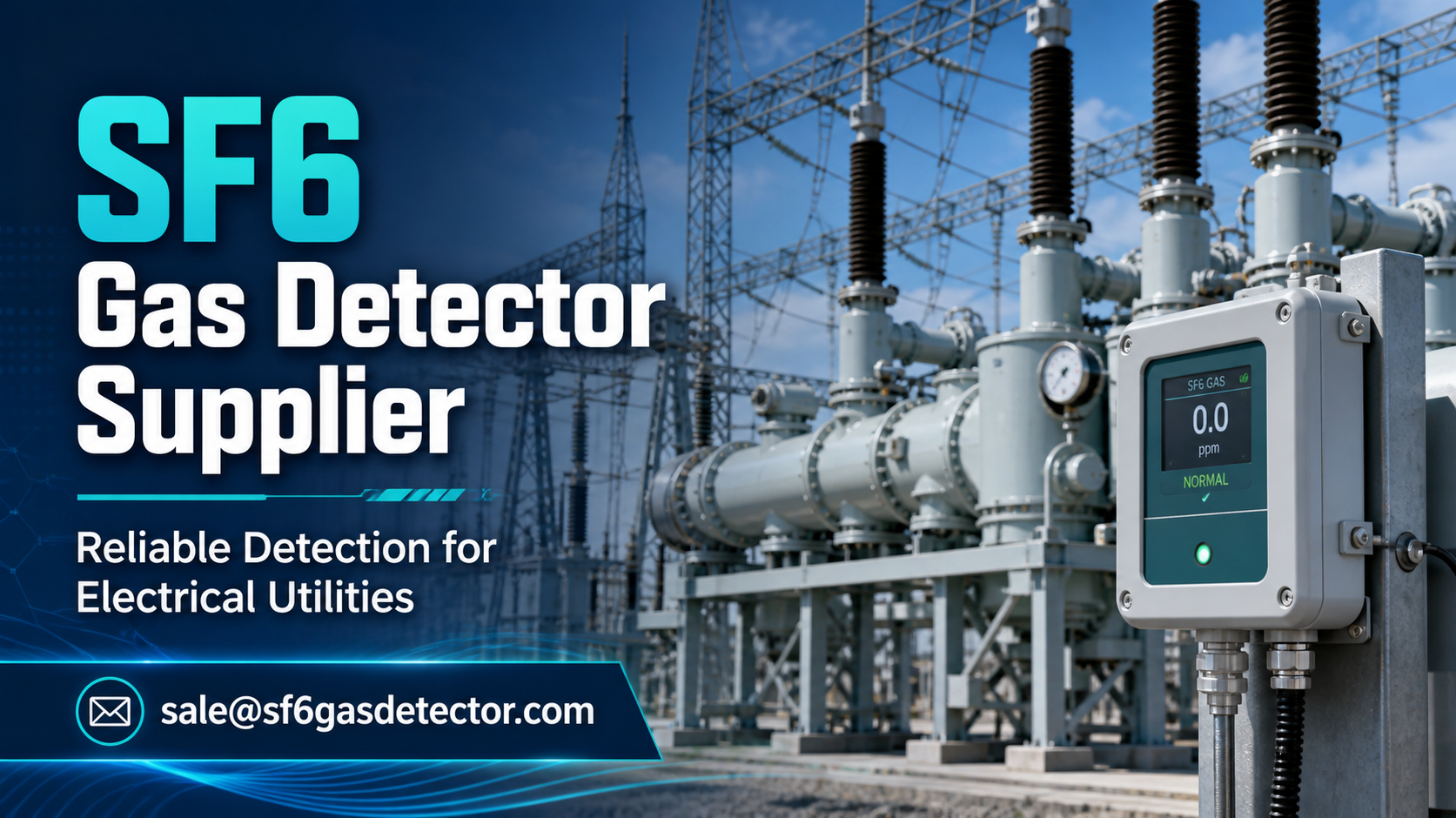
SF6 Gas Detector Supplier for US Electrical Utilities: Reliable Detection
Date
2026-08-14
[email protected]
Website
www.sf6gasdetector.com
Get Solutions And Quotes
Contact Factory
SF6 Gas Detector Supplier for US Electrical Utilities: Reliable Detection
For electrical utilities in the USA, reliable sulfur hexafluoride monitoring is essential for maintaining high-voltage equipment performance, protecting personnel, and meeting environmental obligations. An experienced SF6 gas detector supplier helps utilities detect leaks early, manage gas inventory accurately, and reduce unplanned maintenance events across GIS, circuit breakers, gas-insulated lines, and other SF6-insulated assets. The right solution combines proven measurement technology, traceable calibration, utility-ready durability, and compliance support.
SF6 remains widely used because of its excellent dielectric strength and arc-quenching properties. However, it also has a very high global warming potential, which makes leak prevention and accountable handling central priorities for modern electrical utilities. Selecting the right detection equipment is therefore not simply a purchasing decision; it is part of an effective asset-management and environmental-compliance strategy.
Why Electrical Utilities Need Accurate SF6 Gas Detection
Electrical utilities operate critical infrastructure where a small SF6 leak can become a larger operational, financial, and regulatory concern. Leaks may occur at flanges, seals, valves, density-monitor connections, gas compartments, and service ports. In many cases, a leak is not immediately visible or audible, especially in large outdoor substations or enclosed GIS rooms.
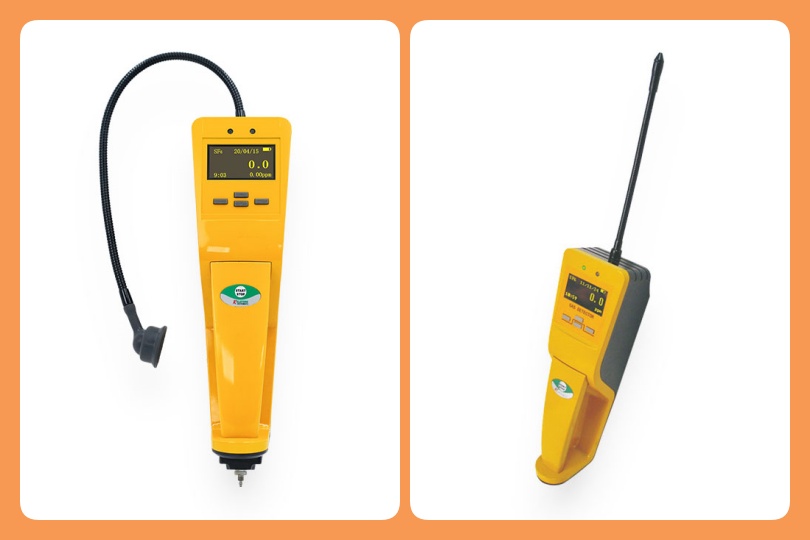
A professional SF6 gas detector supplier can provide instruments suited to different maintenance tasks, including portable leak detection, fixed-area monitoring, gas-quality analysis, and recovery-process verification. The most suitable device depends on whether technicians need to locate a leak, assess room safety, verify equipment gas condition, or document emissions for environmental reporting.
Common Utility Applications
SF6 detection systems are commonly used in:
- Gas-insulated switchgear (GIS) installations
- High-voltage circuit breakers
- Gas-insulated transmission lines
- SF6-filled instrument transformers
- Substation maintenance workshops
- Indoor switchgear rooms and enclosed utility facilities
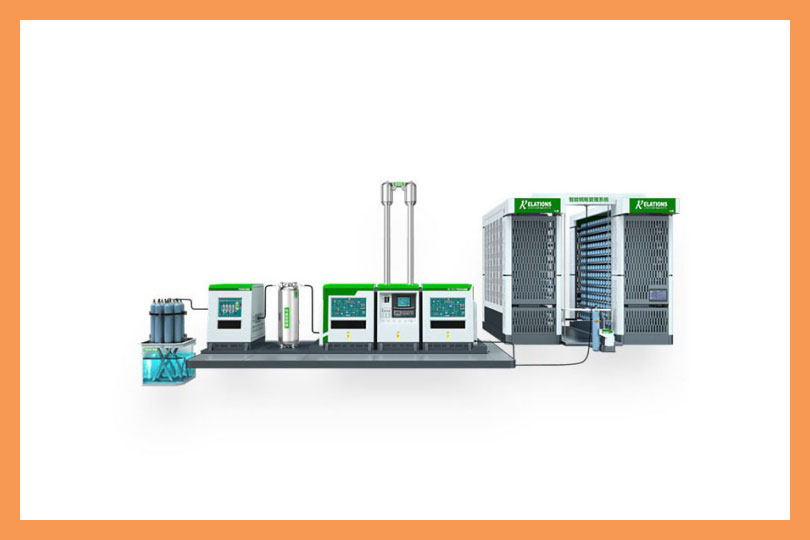
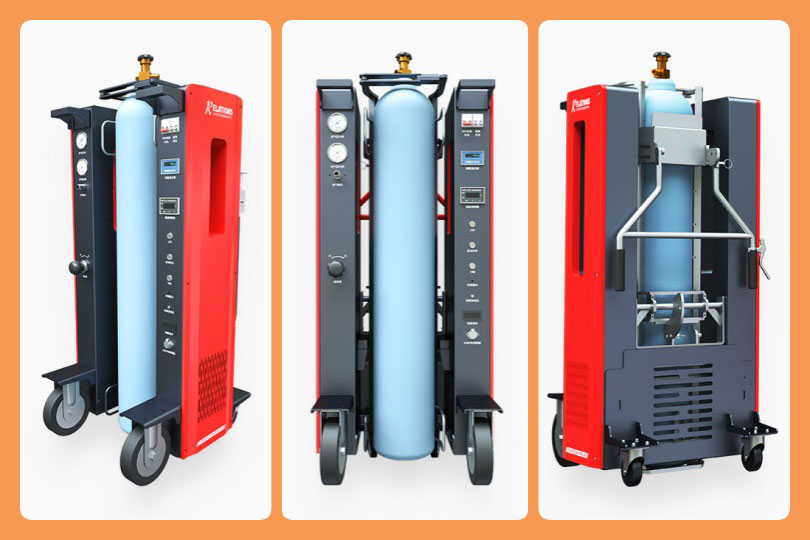
- SF6 gas handling, filling, recovery, and recycling operations
For field maintenance, portable detectors allow technicians to scan potential leakage points quickly. For indoor installations, fixed monitoring equipment may provide continuous awareness of gas concentration trends and support site-specific safety procedures.
Key Specifications When Selecting an SF6 Gas Detector Supplier
Not every instrument is designed for utility-grade service. Electrical utilities should evaluate the measurement performance, operating environment, documentation, and service support offered by an SF6 gas detector supplier.
Detection Sensitivity and Response Time
Leak detection sensitivity should match the utility’s maintenance objectives. High-sensitivity instruments can identify small emissions before they create significant gas loss or equipment pressure alarms. Response time also matters: a fast, stable response helps technicians inspect large equipment efficiently and verify leak points with greater confidence.
The detector should clearly state its minimum detectable leak rate, measurement range, repeatability, warm-up requirements, and recovery time. Technical data should be supported by manufacturer documentation rather than broad, unverified performance claims.
Selectivity and Interference Resistance
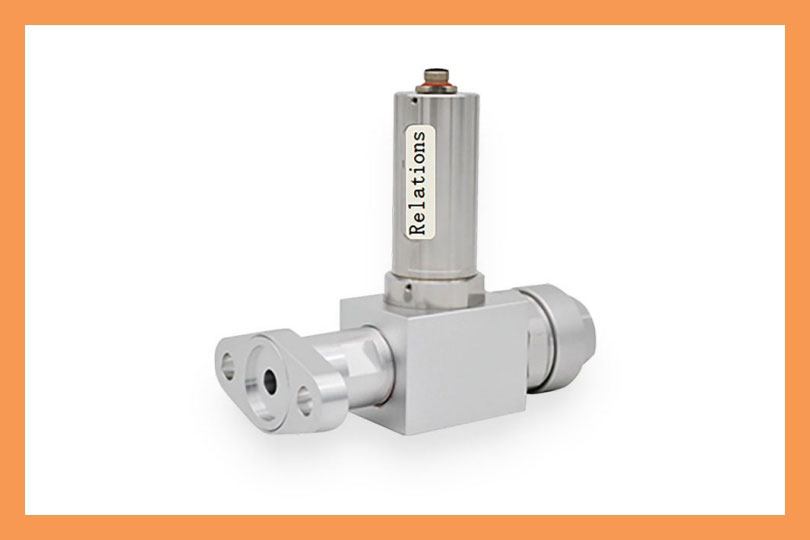
Substations can contain humidity, dust, cleaning agents, insulation materials, and other gases that may affect some sensing technologies. A suitable SF6 detector should be selective for SF6 or provide a clearly documented method for distinguishing SF6 from likely interferents.
Ask the supplier how the detector performs in realistic field conditions, including temperature variation, outdoor wind, moisture, and confined equipment spaces. This practical information is especially valuable for electrical utilities with mixed indoor and outdoor asset fleets.
Portability, Ruggedness, and Battery Performance
Field teams need equipment that is easy to carry, dependable, and practical during long inspection routes. Look for durable housings, intuitive displays, replaceable probes or filters where applicable, and battery capacity appropriate for a normal maintenance shift.
For outdoor substation work, confirm the operating-temperature range, ingress-protection rating, and resistance to vibration or routine handling. Equipment should also be designed for safe use in the intended work environment and used according to the manufacturer’s instructions and the utility’s safety procedures.
Compliance, Calibration, and Quality Assurance
A credible SF6 gas detector supplier should support quality assurance with clear calibration and product documentation. For US utility procurement, buyers often review manufacturer quality systems, calibration traceability, safety documentation, and service capability before approving equipment.
Relevant Standards and Certifications
Depending on the product and application, buyers may request evidence related to:
- ISO 9001 quality-management systems
- ISO/IEC 17025 calibration laboratory competence, where calibration services are provided
- CE marking for applicable products placed on relevant international markets
- RoHS compliance for restricted substances where applicable
- IEC 62271 series requirements relevant to high-voltage switchgear applications
- IEEE and utility-specific maintenance practices
- OSHA-aligned workplace safety procedures for field use and confined spaces
No detector alone guarantees regulatory compliance. Instead, the device should support a utility’s broader program for SF6 management, emissions reduction, maintenance documentation, and safe work execution. Utility teams should also follow applicable federal, state, and local environmental requirements, including reporting obligations that may apply to SF6 emissions.
Scenario-Based SF6 Detection Solutions for Utilities
Routine Substation Preventive Maintenance
During scheduled maintenance, technicians can use a portable SF6 leak detector to inspect circuit breaker poles, GIS compartments, connection points, pressure-monitoring assemblies, and filling valves. A documented inspection route improves consistency between sites and helps maintenance managers trend recurring leak locations.
In this scenario, a compact, sensitive detector with a flexible probe and stable readings can reduce inspection time while supporting more accurate repair prioritization.
Emergency Response to Low Gas Density Alarms
A density alarm may indicate a leak, temperature-related pressure change, or another equipment condition requiring investigation. The immediate objective is to confirm the source without exposing personnel to unnecessary risk or taking equipment out of service prematurely.
A qualified SF6 gas detector supplier can help utilities select leak-location equipment, gas analyzers, and accessory kits appropriate for rapid troubleshooting. For project-specific technical selection, request one-on-one guidance from engineers with details about voltage class, equipment type, and operating environment.
Indoor GIS and Enclosed Switchgear Rooms
Indoor installations require special attention because SF6 is heavier than air and can accumulate in low-lying or poorly ventilated areas. Although SF6 is generally nonflammable and chemically stable under normal conditions, oxygen displacement and decomposition by-products following electrical faults can create hazards.
Fixed monitoring systems, ventilation interlocks, alarm strategies, and appropriate entry procedures should be evaluated as part of the facility safety plan. Electrical utilities should conduct risk assessments and follow established confined-space and emergency-response procedures where applicable.
Evaluating Supplier Support Beyond the Instrument
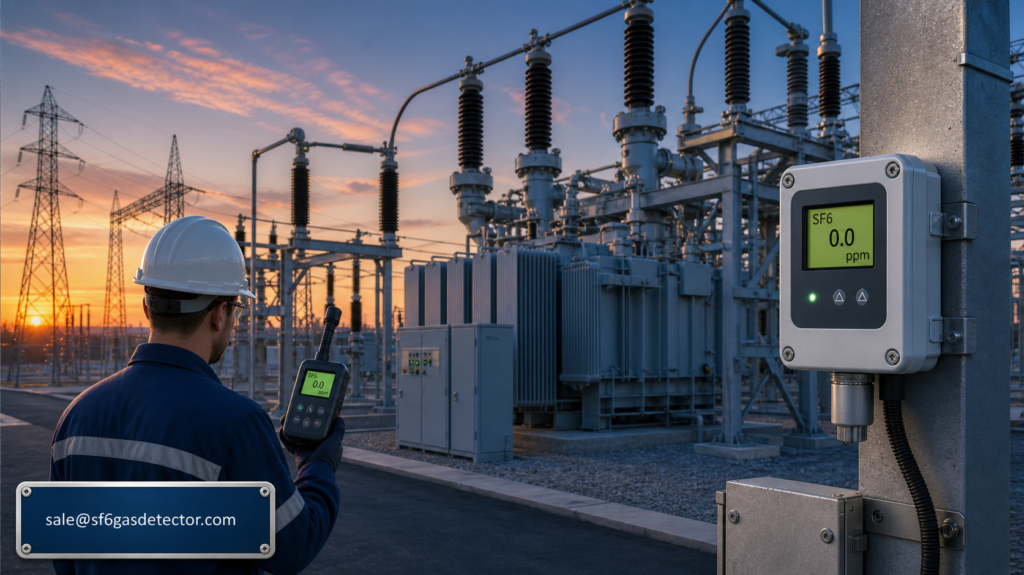
The strongest SF6 gas detector supplier relationship extends beyond the initial purchase. Utilities benefit from application consultation, user training, calibration planning, repair support, spare-parts availability, and clear operating manuals.
Before issuing a purchase order, confirm:
- Calibration interval recommendations and available certificates
- Turnaround time for repair and recalibration
- Availability of replacement sensors, probes, filters, and batteries
- Technical support for field troubleshooting
- Warranty terms and service coverage in the USA
- Training resources for maintenance personnel
- Product lead times and documentation provided with shipment
For fleet purchases, framework agreements and standardized equipment packages can simplify technician training and reduce variation among maintenance teams. Utilities seeking budgetary planning can quickly obtain product quotations based on quantity, required sensitivity, accessories, calibration needs, and delivery location.
Frequently Asked Questions
What is the main purpose of an SF6 gas detector in utility operations?
An SF6 gas detector identifies and helps locate leakage from SF6-insulated electrical equipment. It supports preventive maintenance, gas-loss reduction, environmental management, and reliable operation of high-voltage assets.
How often should electrical utilities inspect SF6 equipment for leaks?
Inspection frequency should be based on equipment criticality, manufacturer recommendations, historical leak performance, gas density trends, environmental requirements, and the utility’s maintenance program. Critical or known-problem assets may require more frequent checks.
Is a portable detector enough for every SF6 application?
No. Portable detectors are excellent for field leak location, but fixed monitoring may be more appropriate for enclosed GIS rooms or areas where continuous concentration awareness is required. Gas analyzers may also be needed when assessing purity, moisture, or decomposition products.
What documents should a utility request from an SF6 gas detector supplier?
Request product specifications, operating manuals, calibration certificates or traceability information, warranty details, maintenance requirements, safety documentation, and evidence of applicable quality-system certifications.
Can SF6 detectors help reduce environmental reporting risk?
Yes. Regular, documented leak detection enables electrical utilities to find and repair leaks sooner, improve gas inventory accuracy, and maintain records that support emissions-management programs. The detector should be part of a broader SF6 handling and reporting process.