SF6 Gas Leak Detection & Density Monitoring: Protect Your Switchgear Fleet
Date
2026-11-05
[email protected]
Website
www.sf6gasdetector.com
Get Solutions And Quotes
Contact Factory
SF6 Gas Leak Detection & Density Monitoring: Protect Your Switchgear Fleet
An SF6 gas leak detection and density monitoring system for high voltage switchgear fleets helps utilities and industrial operators identify deteriorating gas conditions before they compromise insulation performance or equipment availability. Effective monitoring combines temperature-compensated gas density, targeted leak detection, equipment-specific alarms, and fleet-level analytics. For owners managing gas-insulated switchgear (GIS), circuit breakers, and geographically dispersed substations, the objective is to turn reliable measurements into actionable maintenance decisions while supporting emissions management and safe operation.
Why Density Monitoring and Leak Detection Work Together
SF6 provides electrical insulation and, in applicable equipment, arc interruption. Loss of gas can reduce operating margins, but pressure alone does not reliably indicate gas loss: pressure changes with temperature even when gas mass remains constant.
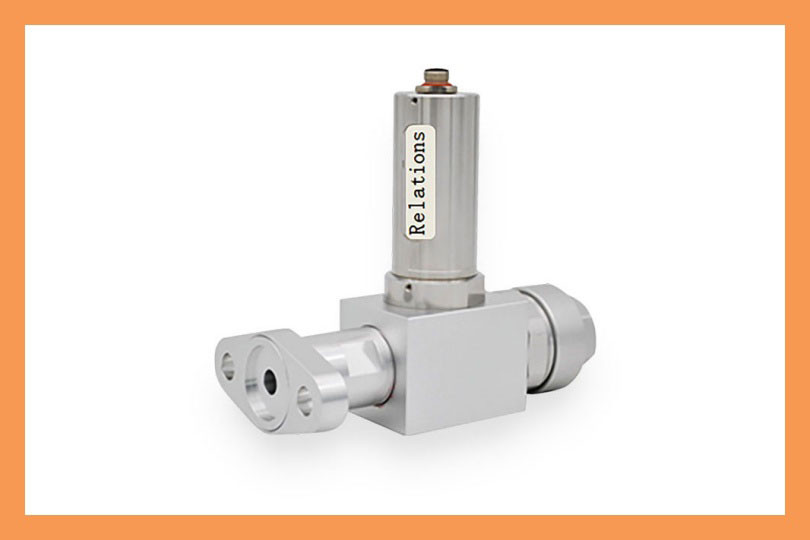
Gas density monitoring addresses this limitation through temperature compensation. Devices may report density directly or provide pressure normalized to a reference temperature.
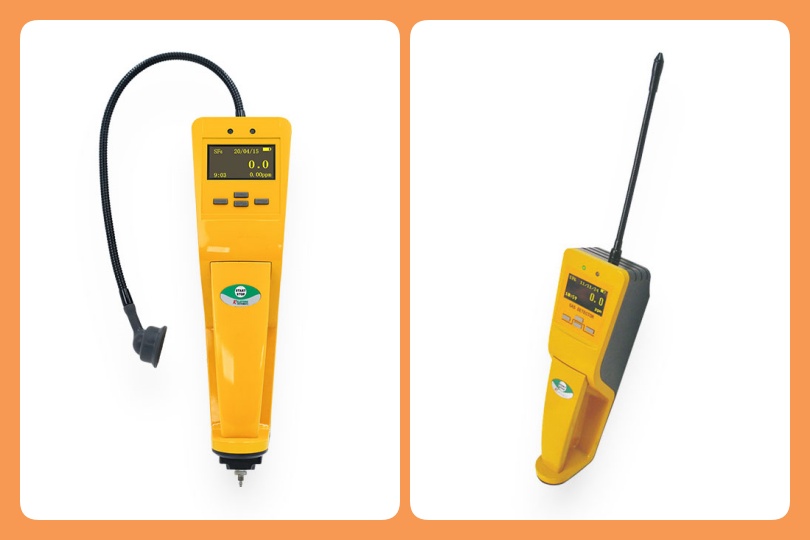
SF6 leak detection serves a complementary purpose. Density trends reveal changes within a gas compartment, while portable SF6 leak detectors or fixed ambient sensors help identify escaped gas. Neither method replaces the other.
Distinguish Three Monitoring Functions
- Compartment monitoring: Tracks gas density or temperature-compensated pressure against manufacturer-defined limits.
- Ambient detection: Measures SF6 concentration around equipment or in enclosed spaces.
- Leak localization: Uses suitable portable instruments to investigate seals, valves, flanges, and other potential release points.
Ambient concentration cannot, by itself, establish a compartment’s leak rate. Ventilation, sensor placement, and background conditions influence readings.
Define the System Through Measurable Parameters
A fleet specification should establish performance requirements before selecting hardware. Instrument ranges and alarm thresholds must match each switchgear model, gas compartment, and operating environment.
| Parameter | Procurement requirement | Operational purpose |
|---|---|---|
| Measurement range | Match rated filling conditions and OEM limits | Avoid unsuitable sensor selection |
| Density accuracy | Specify accuracy across operating temperature | Support dependable alarm decisions |
| Temperature compensation | Declare method, reference temperature, and limitations | Reduce temperature-related interpretation errors |
| Long-term stability | Document drift and verification intervals | Maintain trend credibility |
| Leak detector performance | State detection limit, response time, and test conditions | Match the investigation task |
| Environmental suitability | Specify temperature, humidity, ingress protection, and EMC requirements | Support substation reliability |
| Data integration | Define interfaces, timestamps, quality flags, and buffering | Preserve usable fleet records |
Account for Measurement Uncertainty
A claimed detection limit is not a guaranteed field leak-location capability. Similarly, apparent density decline may reflect sensor drift, temperature gradients, or maintenance activity rather than leakage.
Require traceable calibration documentation and establish baseline readings after installation. Compare electronic measurements with independent reference instruments during commissioning and scheduled verification.
Build a Practical Monitoring Architecture
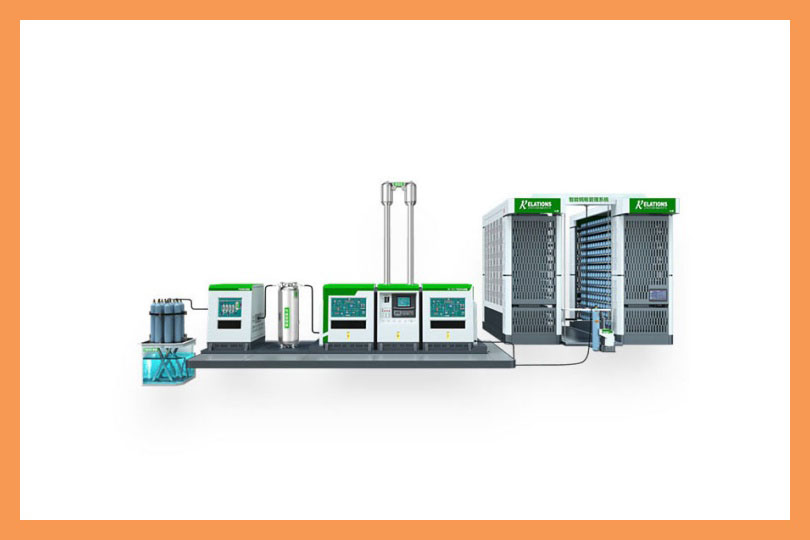
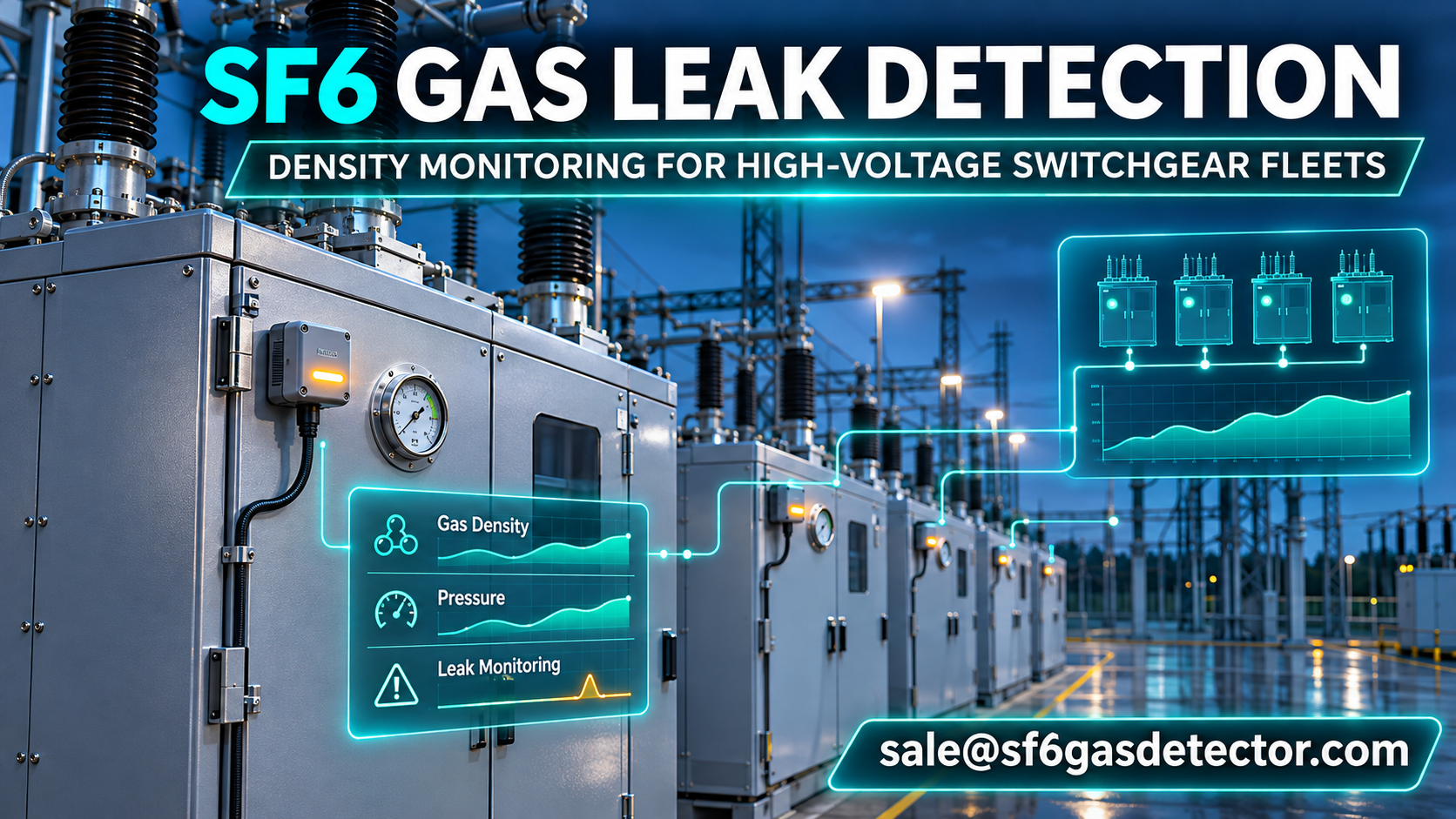
A scalable SF6 gas monitoring system connects compartment-level devices to station gateways and central asset-management platforms. Each measurement should carry an unambiguous asset identifier, compartment reference, timestamp, and quality status.
Local alarm functionality should remain available during communication failures. Remote analytics should supplement—not bypass—manufacturer-approved protection, interlocking, and operating arrangements.
Use Layered Alarm Logic
Apply OEM-approved low-density alarm and minimum functional thresholds. Do not impose a universal threshold across different equipment families.
Above these limits, software can flag sustained downward trends, abnormal rates of change, or disagreement between redundant measurements. Configure persistence periods and deadbands carefully to limit nuisance alarms without concealing genuine deterioration.
Fleet dashboards should distinguish:
- Confirmed low-density conditions.
- Suspected progressive leakage.
- Sensor or communication faults.
- Planned gas-handling events.
- Measurements requiring engineering review.
Match Solutions to Real Operating Scenarios
Remote Substations With Limited Access
Continuous density monitoring can reduce unnecessary inspection journeys and prioritize field visits. Gateways with local data buffering preserve records during network outages. Maintenance teams can review trends before mobilizing, then use portable SF6 leak detection equipment to locate the source.
Indoor GIS Installations
Fixed ambient detection may support leak awareness where released gas could accumulate. Placement should consider airflow, enclosure geometry, likely release points, and the applicable risk assessment.
SF6 can displace oxygen. Ambient SF6 monitoring does not automatically replace oxygen-deficiency monitoring, ventilation, confined-space procedures, or evaluation of hazardous decomposition products.
Aging Fleets With Mixed Instrumentation
Retrofitting requires an equipment-by-equipment assessment. Some assets support electronic density transmitters; others may initially provide only alarm contacts.
Avoid unnecessary disturbance of sealed gas systems. Confirm compatible connections, installation procedures, isolation provisions, and warranty implications with the equipment manufacturer.
Align Specifications With Standards and Regulations
Relevant references include IEC 62271-1 for common high-voltage switchgear requirements and the applicable equipment-specific standards, such as IEC 62271-203 for GIS above 52 kV.
IEC 60376 addresses technical-grade SF6 specifications, while IEC 60480 covers specifications for reuse. IEC 62271-4 provides procedures for handling gases used for insulation and switching.
Request documented conformity to applicable electrical safety, electromagnetic compatibility, and environmental requirements. An ISO 9001-certified supplier demonstrates a quality-management framework, not automatic certification of an individual monitoring product.
In the European Union, Regulation (EU) 2024/573 establishes fluorinated greenhouse gas obligations, including equipment-dependent requirements and phased switchgear restrictions. Applicability depends on equipment characteristics, dates, exemptions, and jurisdiction. Monitoring does not replace required leak checks, qualified personnel, recovery practices, or records where these are legally mandated.
Frequently Asked Questions
Can density monitoring locate a leak?
Usually not. It identifies abnormal compartment conditions or declining trends. Technicians generally need targeted leak surveys to locate the release point.
Can the system calculate annual SF6 emissions?
It can support estimates, but density trends require validated compartment data and uncertainty assessment. Reconcile estimates with weighed gas additions, recovery records, and the applicable reporting methodology.
How often should sensors be calibrated?
Follow manufacturer guidance, regulatory requirements where applicable, and the asset’s risk-based maintenance plan. Investigate unexpected drift or disagreement promptly.
Does monitoring justify continued operation below an alarm threshold?
No. Operating decisions must follow OEM instructions, approved safety procedures, and engineering assessment. Analytics cannot redefine minimum functional gas conditions.
Establish a Defensible Fleet Strategy
An SF6 gas leak detection and density monitoring system for high voltage switchgear fleets delivers value when measurements trigger clear responsibilities and documented action. Start with critical assets, validate performance under seasonal conditions, and expand using consistent data standards. Measure success through timely intervention, reliable alarms, verified gas accounting, and reduced avoidable releases—not simply the number of installed sensors.