SF6 Gas Recovery & Analysis Equipment Supplier: Easier Utility Maintenance

Date
2026-11-05
[email protected]
Website
www.sf6gasdetector.com
Get Solutions And Quotes
Contact Factory
SF6 Gas Recovery & Analysis Equipment Supplier: Easier Utility Maintenance
Selecting an SF6 gas recovery and analysis equipment supplier for utility maintenance requires more than comparing recovery-cart prices. Utilities need equipment that safely transfers insulating gas, measures its condition, limits emissions, and produces reliable maintenance records. For high-voltage circuit breakers and gas-insulated switchgear, the right supplier should connect verified technical performance with applicable regulations, practical field workflows, and dependable lifecycle support.
Why Recovery and Analysis Must Work Together
SF6 provides effective insulation and arc-quenching performance in electrical equipment, but it is also a potent greenhouse gas. Maintenance procedures should therefore prioritize closed-loop recovery, controlled storage, leak prevention, and documented gas disposition.
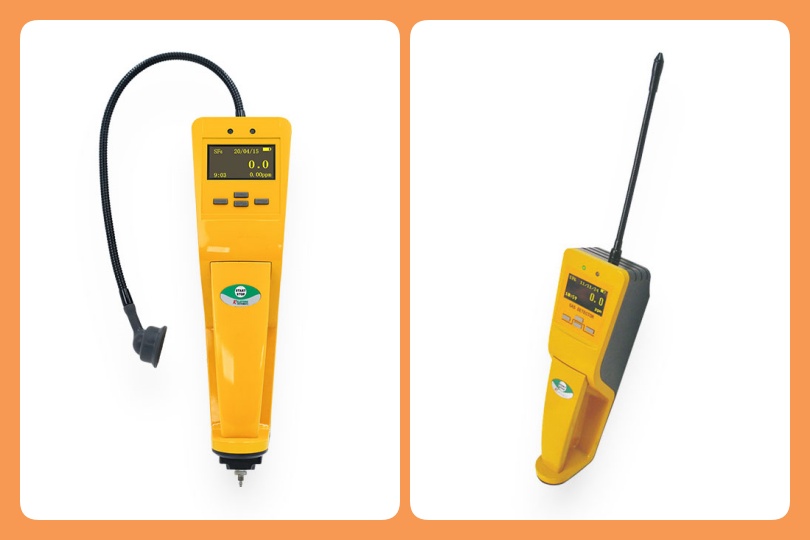
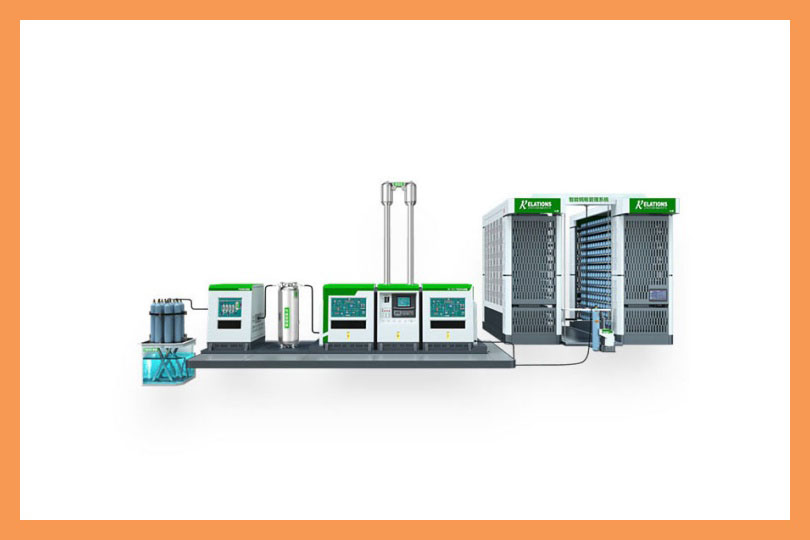
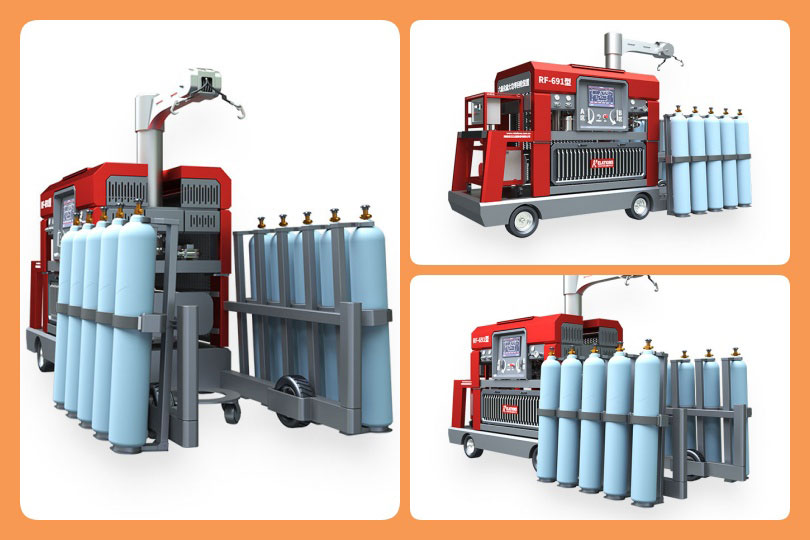
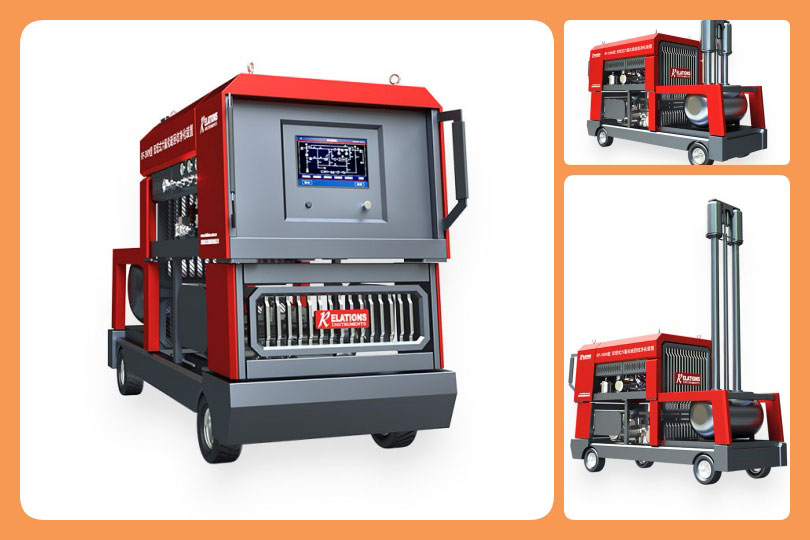
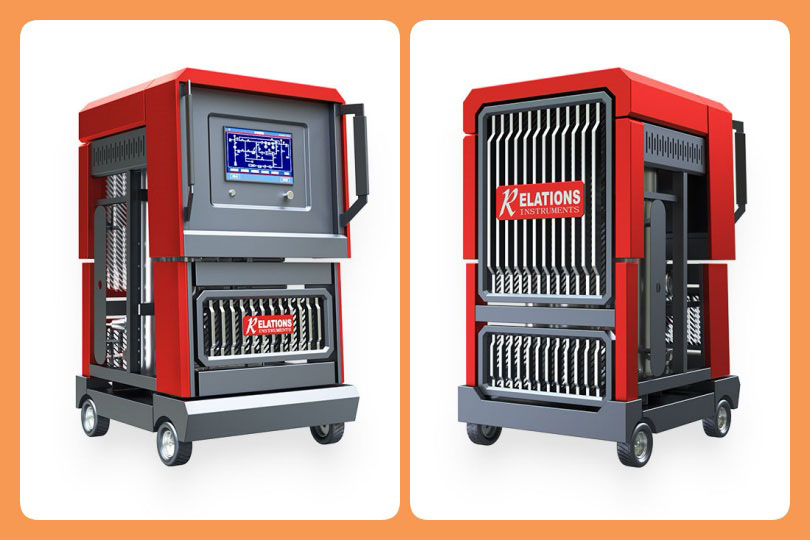
Recovery equipment transfers gas from an isolated compartment into suitable storage vessels. Analysis equipment measures selected quality indicators, commonly SF6 concentration, moisture, and decomposition products. These measurements help determine whether gas can be reused, requires treatment, or should enter an authorized reclamation or disposal route.
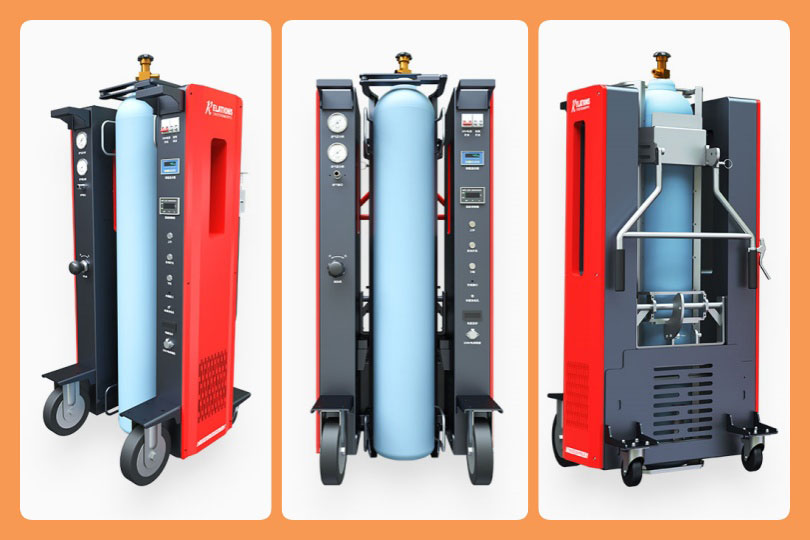
Neither function replaces the other. A SF6 gas recovery cart does not automatically verify gas quality, and an SF6 gas analyzer does not demonstrate that a compartment is adequately evacuated.
Define Technical Requirements Before Requesting Quotations
A useful specification describes actual utility assets and maintenance conditions rather than relying on nominal equipment capacity.
Recovery and Storage Parameters
Ask suppliers to document the following:
| Parameter | Procurement requirement |
|---|---|
| Gas inventory | Minimum and maximum gas mass per maintenance task |
| Pressure range | Initial compartment pressure, recovery endpoint, and filling pressure |
| Recovery performance | Transfer rate under defined pressure and temperature conditions |
| Vacuum capability | Separate ratings for gas recovery and air evacuation |
| Storage capacity | Usable capacity, allowable filling ratio, and vessel pressure rating |
| Filtration | Filter media, contaminant compatibility, and replacement criteria |
| Connections | Hose ratings, coupling compatibility, and connection-loss controls |
| Site suitability | Power supply, ambient temperature, mobility, and enclosure protection |
Require pressure values to identify whether they are absolute or gauge readings. Likewise, distinguish advertised compressor displacement from demonstrated gas-transfer performance.
Storage limits must follow vessel approval, temperature limits, and applicable transport requirements. A high nominal capacity is not useful if the vessel cannot legally or safely accommodate the planned gas inventory.
Analyzer Performance and Measurement Integrity
For an SF6 gas purity and moisture analyzer, specify measurement range, accuracy, repeatability, response time, inlet pressure, and sample consumption.
Moisture results need particular care: dew point depends on measurement pressure. Reports should identify the pressure basis and units so technicians can compare results correctly.
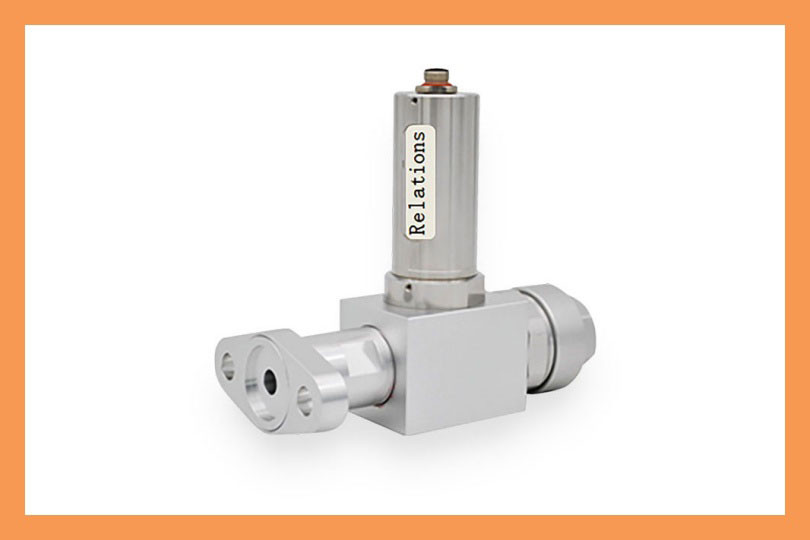
Decomposition-product sensors also require scrutiny. Ask which compounds are measured, what cross-sensitivities apply, and whether sensors tolerate expected contamination. A single sulfur dioxide reading does not characterize every possible by-product.
Prefer sample-gas recovery or return arrangements where compatible with the equipment and gas condition. Sampling should not introduce contaminated gas into a clean compartment.
Verify Standards, Regulatory Duties, and Certifications
A credible supplier should distinguish equipment conformity, operating procedures, and gas acceptance criteria.
Relevant references include:
- IEC 62271-4: Handling procedures for gases used for insulation or switching in high-voltage equipment.
- IEC 60376: Specifications for technical-grade SF6 and complementary gases.
- IEC 60480: Specifications for the reuse of SF6 and its mixtures in electrical equipment.
- ISO/IEC 17025: Competence requirements for testing and calibration laboratories.
Use current applicable editions and confirm their relevance to the specific equipment and jurisdiction. OEM instructions remain essential for compartment preparation, permissible gas composition, and return-to-service criteria.
In the European Union, Regulation (EU) 2024/573 establishes obligations affecting fluorinated greenhouse gases, including relevant recovery, personnel qualification, and recordkeeping requirements. Application depends on the activity, equipment, and implementation provisions. Other jurisdictions impose different environmental, electrical-safety, and transport duties.
CE marking, where required, is not a blanket performance certification. Request the declaration of conformity and identify applicable legislation, including pressure-equipment or electromagnetic-compatibility requirements where relevant. ISO 9001 certification supports confidence in a quality-management system but does not prove analyzer accuracy.
Match Equipment to Utility Maintenance Scenarios
Planned Substation Overhauls
For scheduled breaker servicing, prioritize recovery throughput at realistic inlet pressures, adequate storage, and accessible filtration. Require suppliers to estimate cycle times using compartment volume, gas mass, hose configuration, and ambient conditions.
Dual storage arrangements may help segregate acceptable and suspect gas, provided procedures prevent accidental mixing.
Emergency Field Repairs
For mobile utility maintenance, compact equipment, suitable power requirements, rugged connections, and readily available spares may matter more than maximum throughput.
A portable SF6 recovery unit should still provide suitable instrumentation and safe storage arrangements. Mobility must not compromise pressure protection, handling stability, or electrical safety.
Suspected Internal Arcing or Contaminated Gas
Treat post-fault compartments as potentially hazardous. Decomposition products and residues can require specialized protective equipment, controlled access, contamination management, and approved waste handling.
Specify compatible filters, dedicated sampling components where necessary, and clear isolation procedures. Do not assume standard purification restores every contaminated gas batch to reusable condition.
Evaluate Supplier Support and Acceptance Testing
Require commissioning, operator training, calibration support, and documented maintenance intervals. Confirm service turnaround, spare-parts availability, and support for installed couplings and cylinders.
Factory or site acceptance testing should verify agreed recovery endpoints, leak tightness, analyzer checks, and safety functions. Maintain records linking equipment identification, calibration status, compartment identification, and gas quantities.
Frequently Asked Questions
Can recovered SF6 be reused immediately?
Only after its condition meets applicable reuse criteria and equipment-manufacturer requirements. Recovery alone does not establish suitability.
How often should analyzers be calibrated?
Follow manufacturer recommendations and the utility’s quality system. Adjust intervals based on usage, drift history, contamination exposure, and verification results.
Is one cart suitable for alternative insulating gases?
Not necessarily. Confirm compatibility with the specific gas mixture, operating pressures, materials, recovery process, and contamination-control requirements.
A Practical Basis for Supplier Selection
The best SF6 gas recovery and analysis equipment supplier for utility maintenance demonstrates measurable performance, regulatory awareness, and reliable field support. Select against documented operating scenarios and acceptance criteria—not unsupported environmental claims or headline specifications. This approach supports safer maintenance, defensible gas-quality decisions, and better control of avoidable emissions.