SF6 Gas Room Monitoring for Indoor GIS Buildings: Get a Manufacturer Quote

Date
2026-11-05
[email protected]
Website
www.sf6gasdetector.com
Get Solutions And Quotes
Contact Factory
SF6 Gas Room Monitoring for Indoor GIS Buildings: Get a Manufacturer Quote
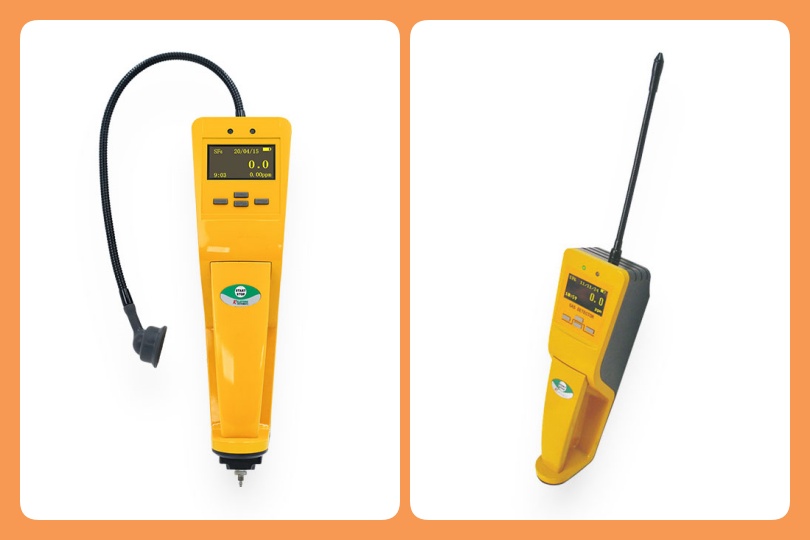
Obtaining an SF6 gas room monitoring system manufacturer quote for indoor GIS buildings requires more than comparing sensor prices. Indoor gas-insulated switchgear (GIS) installations need reliable leak detection, appropriate oxygen monitoring, clear alarms, and ventilation interfaces suited to their layout and operating procedures. A useful quotation should define measurable performance, installation boundaries, applicable compliance evidence, and lifecycle costs so that owners can assess both technical suitability and commercial value.
Why Indoor GIS Buildings Need Dedicated Gas Monitoring
SF6 provides insulation and arc-quenching performance in electrical equipment. However, leakage into an enclosed space can displace oxygen and create an asphyxiation hazard. SF6 is denser than air, so low-level areas, cable trenches, and poorly ventilated spaces deserve particular attention.
Room monitoring serves a different purpose from equipment-mounted gas density monitoring. A SF6 gas room density monitor tracks conditions inside a sealed GIS compartment; an ambient detector measures gas released into the surrounding environment. Neither replaces the other.
SF6 also has a high global warming impact. Early detection supports maintenance and emission reduction, but a SF6 gas room monitor does not, by itself, quantify annual leakage or demonstrate compliance with environmental reporting obligations.
Define the Technical Basis Before Requesting Prices
A comparable indoor GIS gas monitoring system quotation starts with a shared design basis. Provide floor plans, ceiling heights, trench arrangements, ventilation details, equipment locations, and expected occupancy.
Essential Quotation Parameters
| Parameter | What the manufacturer should specify |
|---|---|
| SF6 detection technology | Measurement principle, selectivity, and known interference limitations |
| Measurement range | Range in ppm or percentage by volume, justified against alarm requirements |
| Detection performance | Resolution, accuracy, repeatability, and detection limit |
| Response time | Defined test conditions and total system response, including sampling delay |
| Oxygen monitoring | Range, accuracy, sensor life, and calibration requirements |
| Environmental ratings | Operating temperature, humidity, ingress protection, and corrosion suitability |
| Alarm functions | Adjustable thresholds, delays, latching, acknowledgment, and fault indication |
| Interfaces | Relay ratings, supported protocols, register maps, and isolation provisions |
| Power arrangement | Supply voltage, consumption, backup requirements, and power-failure behavior |
| Maintenance | Calibration method, service intervals, consumables, and replacement costs |
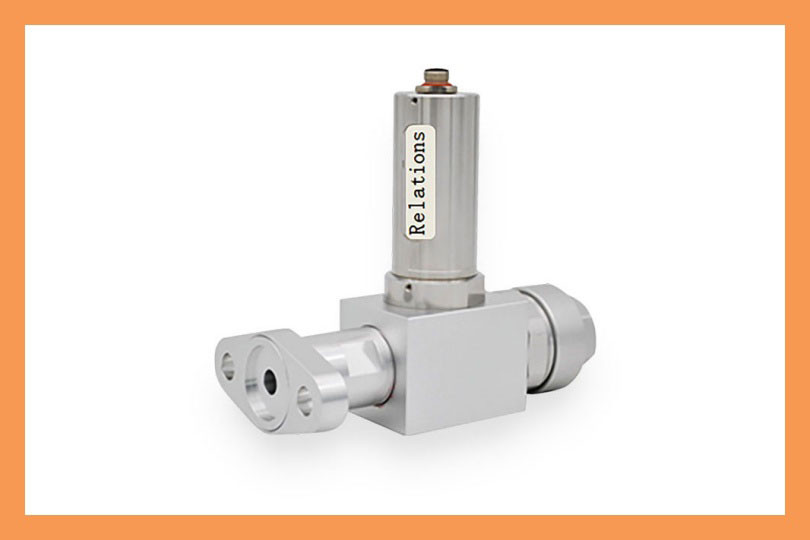
Infrared sensing is commonly used for SF6 detection, but technology labels alone do not establish performance. Request evidence for the actual instrument model and specified operating conditions.
Alarm Thresholds Require a Documented Rationale
Do not accept a universal SF6 alarm setting without checking local occupational requirements and the site risk assessment. Oxygen deficiency can develop differently from the concentration profile observed at a particular SF6 sensor.
A commonly used oxygen-deficiency benchmark is below 19.5% oxygen by volume, but the applicable jurisdiction and site safety rules must govern the final settings. SF6 thresholds should also reflect exposure requirements, early leak detection objectives, instrument capability, and ventilation strategy.
Match the System Architecture to the Building
Unattended Substations
For normally unattended GIS buildings, prioritize remote notification, communications supervision, event logging, and clear indication outside entrances. The design should distinguish gas alarms from instrument faults and communications failures.
Specify how alarms reach the control center and what operators must do before personnel enter the building.
Buildings with Trenches or Multiple Rooms
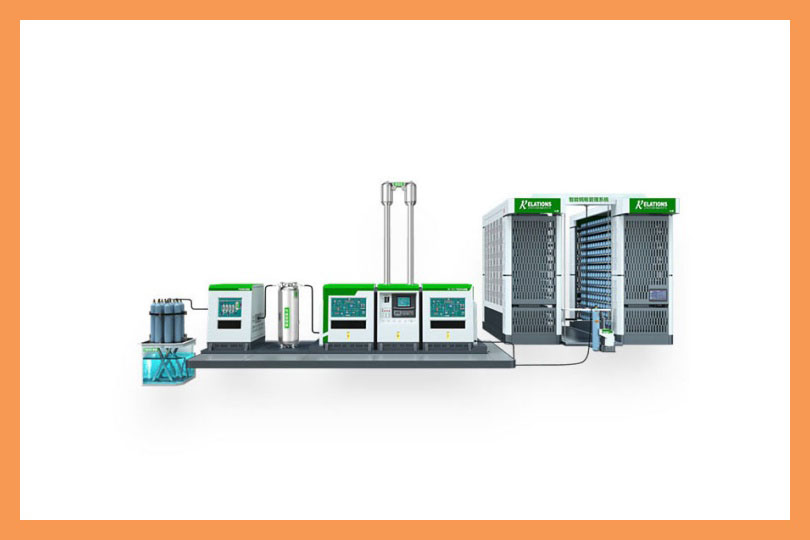
Large GIS halls may require distributed sensors or a multipoint sampling system. Sensor placement should consider likely release locations, airflow, physical barriers, and low-lying spaces rather than floor area alone.
Sampling systems need documented transport times, tubing suitability, filtration requirements, and blocked-line detection. A shared analyzer may reduce hardware costs but can introduce sequential measurement delays and a common failure point.
Existing Buildings Requiring Retrofit
Retrofits benefit from a site survey covering cable routes, available power, ventilation controls, and existing supervisory systems. Ask suppliers to identify shutdown requirements and exclusions explicitly.
Oxygen sensors should be positioned according to personnel exposure risks and airflow assessment, not automatically installed beside every low-level SF6 detector.
Verify Standards and Compliance Evidence
No single certificate proves that an entire installation is suitable. Require a project-specific compliance matrix identifying the applicable regulations, standards, editions, and supporting evidence.
Relevant references may include:
- IEC 62271-203: Requirements for AC gas-insulated metal-enclosed switchgear above 52 kV; relevant to the GIS context, not a standalone room-detector certification.
- IEC 62271-4: Procedures for handling gases used for insulation or switching.
- IEC 61010-1: Electrical safety requirements for qualifying measurement and control equipment.
- IEC 61326-1: Electromagnetic compatibility requirements for qualifying measurement and control equipment.
- IEC 60529: Enclosure ingress protection classifications.
For EU installations, assess applicable obligations under Regulation (EU) 2024/573 on fluorinated greenhouse gases, including equipment restrictions and servicing requirements where relevant. Room monitoring does not override restrictions on placing new SF6 equipment into service.
CE marking, where required, must be supported by an appropriate EU declaration of conformity. ISO 9001 certification concerns the manufacturer’s quality management system; it is not product performance certification. Hazardous-area certification is necessary only where the installation’s area classification requires it.
Compare Installed Cost and Acceptance Criteria
An SF6 gas room monitoring system manufacturer quote for indoor GIS buildings should separate equipment, engineering, installation, commissioning, training, and recurring service costs.
Include a cause-and-effect schedule showing which conditions trigger local alarms, remote signals, and ventilation commands. Define fan-status feedback and failure responses rather than assuming that an output relay guarantees effective ventilation.
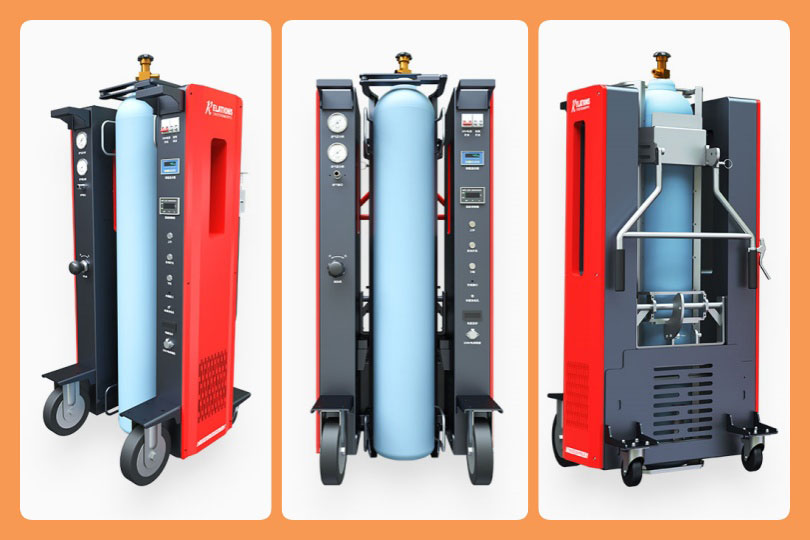
Factory and site acceptance tests should verify calibration records, alarm operation, communications, fault reporting, and approved interlocks. Test methods should avoid unnecessary SF6 releases.
Frequently Asked Questions
Can oxygen monitoring replace SF6 detection?
No. Oxygen monitoring addresses oxygen deficiency, while SF6 detection can identify leakage before substantial oxygen displacement occurs. Their functions are complementary.
Does the system detect arc decomposition products?
Not necessarily. SF6 sensors generally do not measure all hazardous decomposition products. Post-fault entry requires separate assessment and appropriate procedures.
How often is calibration required?
Follow the manufacturer’s instructions, applicable requirements, and site maintenance strategy. Confirm calibration intervals, functional-check methods, and traceable test-gas availability before purchase.
Procurement Priorities
Select the supplier offering a defensible monitoring design, transparent exclusions, verifiable performance, and sustainable local support. The strongest quotation connects detection capability to building conditions, operator actions, and documented acceptance criteria—not simply the lowest equipment price.