SF6 Gas Reclaiming Equipment Suppliers RFQ: Compare Top Quotes Fast
Date
2026-09-18
[email protected]
Website
www.sf6gasdetector.com
Get Solutions And Quotes
Contact Factory
SF6 Gas Reclaiming Equipment Suppliers RFQ: Compare Top Quotes Fast
An effective SF6 gas reclaiming equipment suppliers RFQ helps utilities, switchgear manufacturers, electrical service contractors, and industrial maintenance teams compare technically suitable systems on a like-for-like basis. SF6 gas recovery is not simply a matter of transferring gas from one vessel to another. The equipment must recover, filter, dry, compress, store, and, where required, purify sulfur hexafluoride safely while supporting environmental compliance and asset reliability.
When preparing an SF6 gas reclaiming equipment suppliers RFQ, procurement teams should define the gas compartment type, required recovery performance, available power supply, storage arrangements, and applicable standards before requesting quotations. Clear specifications reduce quotation differences, prevent scope gaps, and support a faster technical evaluation.
Why a Detailed SF6 Gas Reclaiming Equipment Suppliers RFQ Matters
SF6 is widely used in high-voltage electrical equipment because of its excellent dielectric and arc-quenching properties. However, it is also a high-global-warming-potential greenhouse gas. Leakage prevention, gas recovery, reuse, and compliant handling are therefore essential responsibilities for operators of gas-insulated switchgear (GIS), circuit breakers, and related equipment.
A complete SF6 gas reclaiming equipment suppliers RFQ enables suppliers to recommend the correct recovery unit instead of offering a standard machine that may not match the jobsite. It also gives buyers a documented basis for comparing technical capability, lifecycle cost, delivery scope, after-sales support, and safety features.
For most industrial applications, the RFQ should reference relevant international guidance, including:
- IEC 62271-4 for handling procedures for SF6 and its mixtures in high-voltage equipment
- IEC 60376 for technical-grade SF6 used in electrical equipment
- IEC 60480 for guidance on checking and treatment of SF6 taken from electrical equipment
- ISO 9001 quality-management requirements for supplier manufacturing processes
- Applicable local environmental regulations, including F-gas requirements where relevant
Compliance should be confirmed through supplier documentation, operating manuals, test records, and, where applicable, certificates for components such as pressure vessels, electrical panels, and lifting arrangements.
Essential Technical Parameters to Include
A high-quality SF6 gas reclaiming equipment suppliers RFQ should identify measurable operating parameters rather than using general phrases such as “high efficiency” or “fast recovery.”
Recovery Capacity and Final Vacuum
State the expected gas recovery rate, normally expressed in kg/h or m³/h, based on the largest gas compartment and outage schedule. Recovery capacity should be matched to the actual application: field maintenance teams may need a portable unit, while GIS factories or service centers may require high-throughput stationary equipment.
Specify the required final vacuum level after gas recovery. A suitable vacuum capability helps reduce residual SF6 remaining in equipment before maintenance, dismantling, or internal inspection. The RFQ should also state whether a separate vacuum pump is required for evacuation of air and moisture before refilling.
Storage and Transfer Configuration
Your SF6 gas reclaiming equipment suppliers RFQ should clarify whether recovered gas will be stored in cylinders, tanks, transportable carts, or an integrated storage vessel. Include the required storage pressure, cylinder connection type, hose length, and whether weighing scales are needed for gas inventory control.
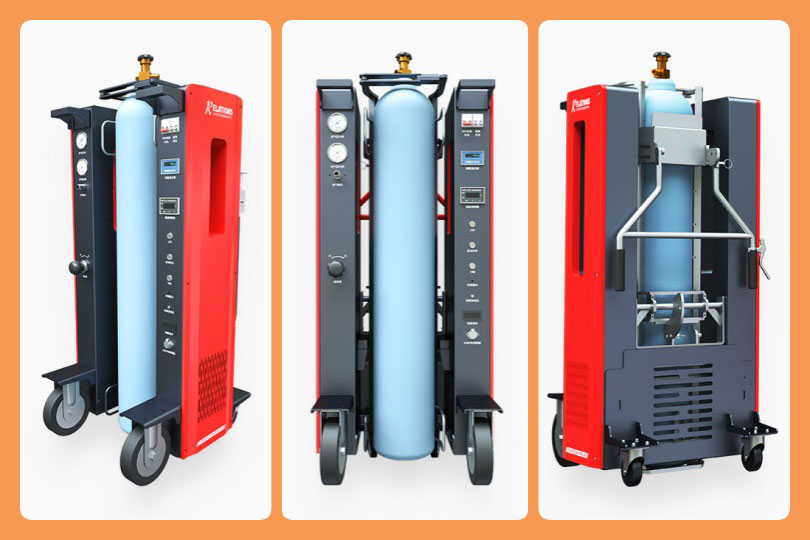
For mobile work, request durable wheels, lifting points, compact dimensions, and vibration-resistant construction. For fixed installations, specify floor space, ventilation conditions, utility connections, and any control-system integration requirements.
Gas Purification and Drying Requirements
Recovered SF6 may contain moisture, air, decomposition by-products, or particulate contamination. If gas reuse is planned, the SF6 gas reclaiming equipment suppliers RFQ should define the required treatment functions, such as particulate filtration, molecular-sieve drying, and adsorption media for acidic or toxic by-products.
Ask suppliers to identify filter media, replacement intervals, disposal recommendations, and available gas-quality monitoring options. Gas quality should be verified against the operator’s internal acceptance criteria and applicable IEC guidance before reclaimed gas is returned to electrical equipment.
Safety and Compliance Requirements for Supplier Evaluation
An SF6 gas reclaiming equipment suppliers RFQ should require suppliers to describe safety controls in detail. Essential features may include pressure relief protection, emergency stop functions, overpressure alarms, vacuum gauges, calibrated pressure instruments, phase-sequence protection, and leak-tight hose connections.
Materials, Components, and Traceability
Request information on materials in contact with SF6, compatible seals, compressor design, filtration components, and rated working pressures. Suppliers should provide serial-number traceability, factory inspection procedures, wiring diagrams, operating manuals, spare-parts lists, and recommended preventive maintenance schedules.
For pressure-bearing assemblies, buyers should verify whether the applicable design, manufacturing, inspection, and conformity requirements are met in the intended destination market. Requirements may differ by region; for example, pressure equipment placed on the EU market may fall within the scope of the Pressure Equipment Directive where applicable.
Operator Protection and By-Product Handling
Maintenance on faulted high-voltage equipment can expose personnel to SF6 decomposition products. The RFQ should request instructions for contamination control, filter handling, personal protective equipment, ventilation, and waste disposal. Equipment alone does not replace safe work procedures; trained personnel must follow site-specific risk assessments and environmental controls.
Scenario-Based Equipment Selection
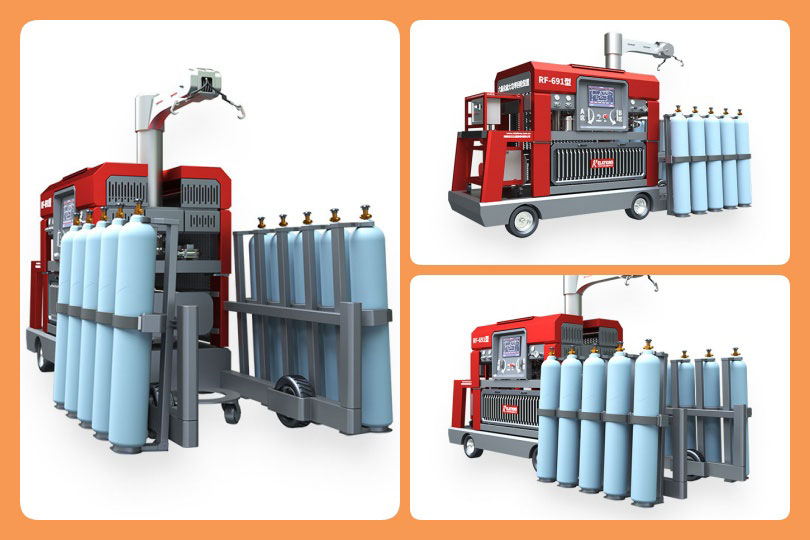
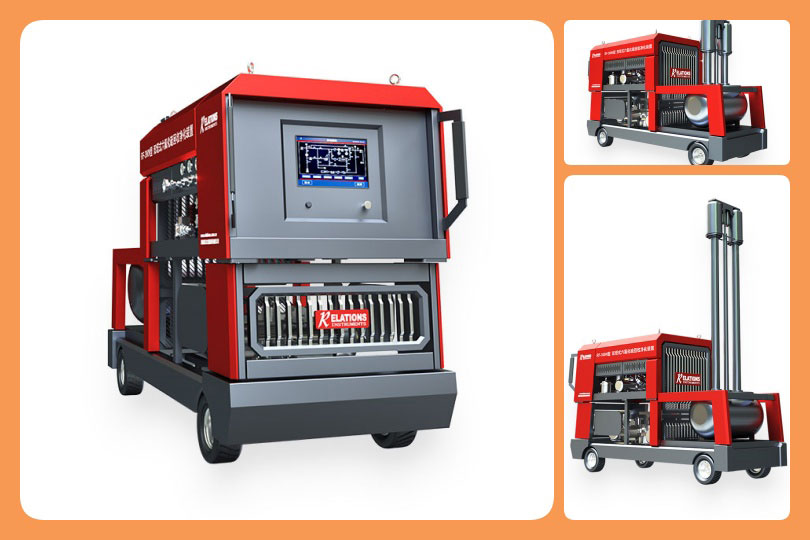
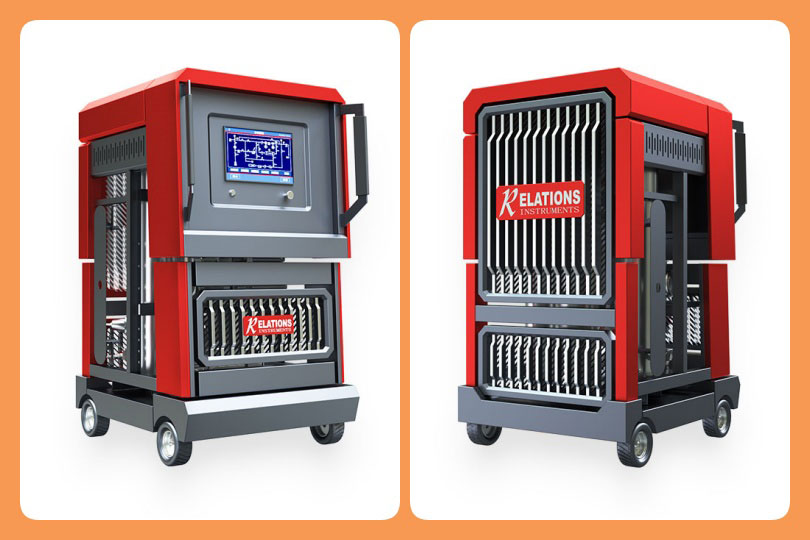
A well-prepared SF6 gas reclaiming equipment suppliers RFQ should reflect the working environment. For substation field service, a compact reclaiming cart with robust hoses, integrated storage, and rapid setup may be the best choice. For GIS manufacturing, a larger automated system with higher recovery capacity, multi-cylinder connections, and process data logging may provide better productivity.
For circuit-breaker maintenance contractors, the priority may be portability, reliable vacuum performance, and simple filter replacement. For utility asset-management teams, gas weighing, barcode traceability, and digital maintenance records may be more important because these features support emissions reporting and gas inventory management.
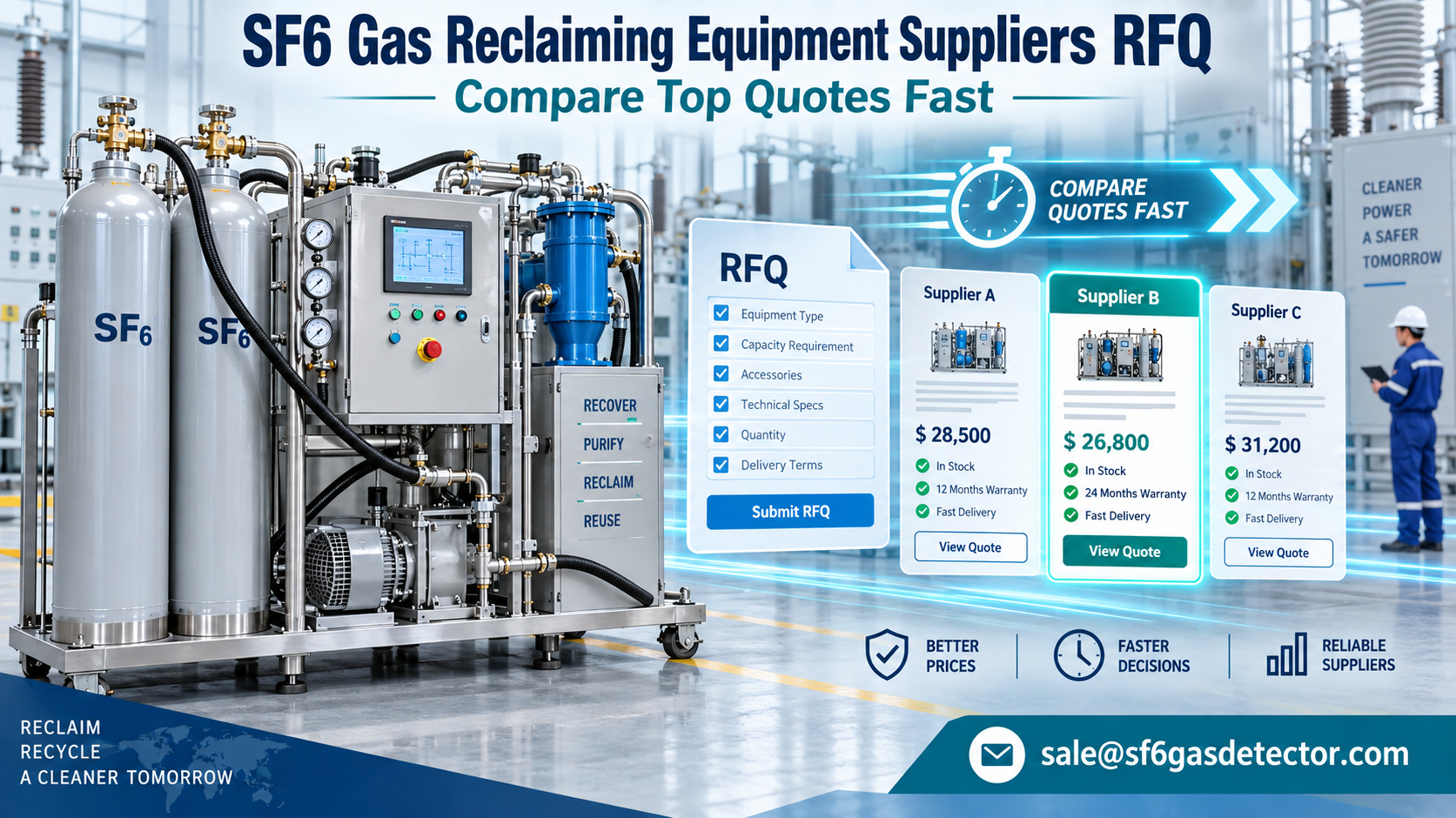
To compare suitable configurations and lead times, procurement teams can quickly obtain product quotations using a technical RFQ that includes equipment voltage class, gas volume, target recovery time, and destination country.
Recommended RFQ Checklist
Before sending an SF6 gas reclaiming equipment suppliers RFQ, confirm that it includes:
- Intended application: GIS, circuit breaker, gas-insulated line, or service workshop
- Required SF6 recovery rate and target final vacuum
- Storage vessel type, capacity, pressure rating, and connection standard
- Purification, drying, and filtration requirements
- Power supply, frequency, plug type, and environmental operating conditions
- Required gauges, weighing system, alarms, and data-recording functions
- Requested standards, test documentation, manuals, and training
- Spare parts, consumables, warranty, commissioning, and service support
- Delivery location, Incoterms, packaging, and required delivery date
A structured SF6 gas reclaiming equipment suppliers RFQ reduces the risk of receiving incomplete offers and makes technical clarification more efficient.
Frequently Asked Questions
What information do suppliers need to quote SF6 reclaiming equipment accurately?
Suppliers normally need the equipment application, SF6 gas volume, preferred recovery rate, storage method, voltage and frequency, purification requirements, destination country, and any required standards. Photos or nameplate data from existing gas compartments can also support accurate selection.
Can reclaimed SF6 be reused?
Reclaimed SF6 can be reused when it has been properly treated and verified to meet the applicable gas-quality requirements for the intended electrical equipment. Testing for moisture, air content, and relevant contaminants should be performed according to the operator’s procedures and applicable IEC guidance.
Is a portable SF6 recovery unit suitable for GIS maintenance?
Yes, provided that the unit has sufficient recovery capacity, vacuum performance, storage capability, and hose length for the GIS gas volume and maintenance schedule. Large GIS projects may require higher-capacity or modular systems to reduce outage duration.
How can buyers receive technical support during RFQ evaluation?
For application-specific sizing, gas handling process review, and documentation requirements, buyers can request one-on-one guidance from engineers. This helps ensure the selected equipment aligns with recovery targets, operating conditions, and compliance obligations.