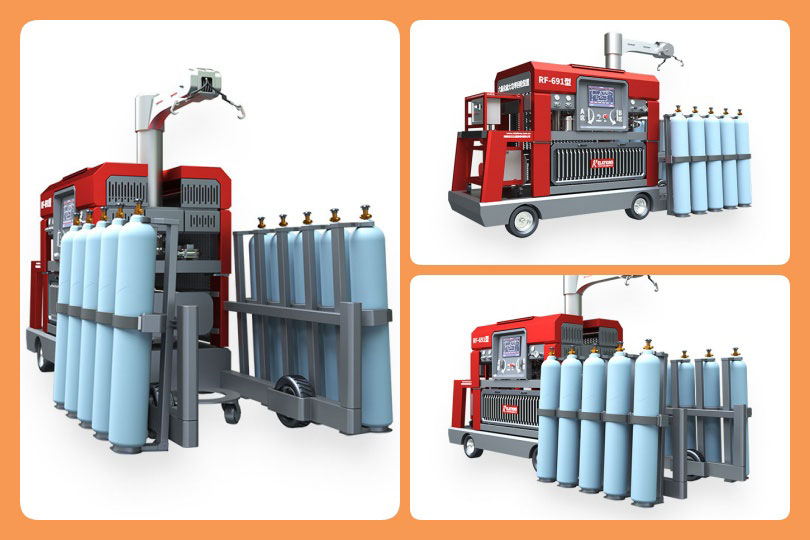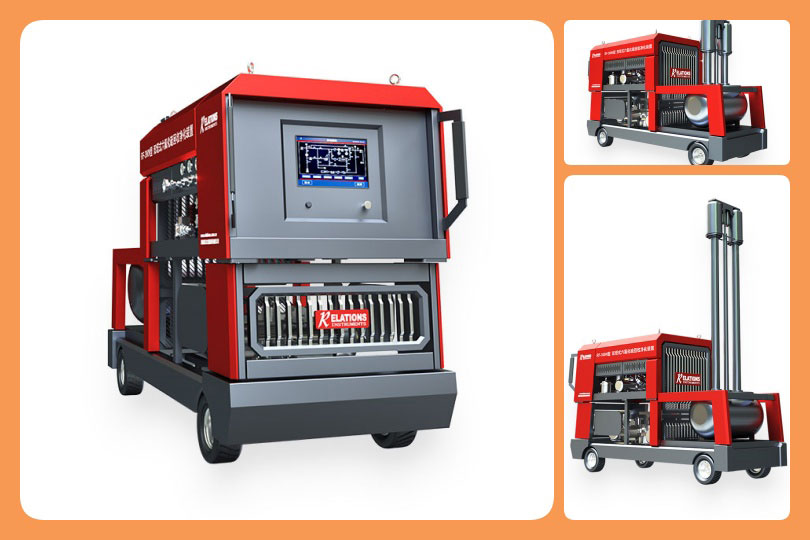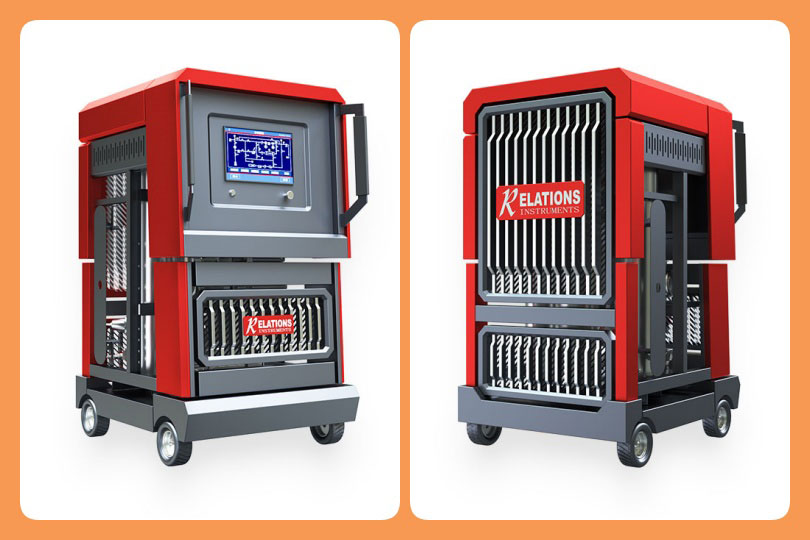
Factory Direct Inquiry: Online SF6 Gas Analyzer for GIS Monitoring
Date
2026-08-24
[email protected]
Website
www.sf6gasdetector.com
Get Solutions And Quotes
Contact Factory
Factory Direct Inquiry: Online SF6 Gas Analyzer for GIS Monitoring
An online SF6 gas analyzer for GIS monitoring gives power utilities, transmission operators, and industrial substations continuous visibility into the condition of sulfur hexafluoride insulation gas inside gas-insulated switchgear (GIS). Rather than relying only on periodic manual sampling, an online system tracks critical gas-quality indicators in real time or at scheduled intervals, helping maintenance teams detect moisture ingress, decomposition by-products, leakage risks, and insulation deterioration before they develop into costly failures.
For organizations seeking dependable equipment sourcing, a factory direct inquiry model can shorten communication paths between the end user and manufacturer. It also makes it easier to confirm measurement configuration, communication requirements, installation constraints, and applicable standards for a specific GIS monitoring project.
Why Online SF6 Gas Analysis Matters for GIS Assets
GIS is widely used in transmission and distribution networks because of its compact footprint, high reliability, and strong environmental protection. However, its operating performance depends heavily on the quality and pressure of the insulating gas. Moisture, air contamination, and SF6 decomposition products can affect dielectric strength, promote corrosion, and indicate internal partial discharge or overheating.
An online SF6 gas analyzer for GIS monitoring supports condition-based maintenance by converting gas condition data into actionable maintenance information. It can reduce the need for frequent manual gas handling, improve technician safety, and create a historical trend record for asset-health decisions.
Common monitoring parameters include:
- SF6 purity or volume fraction
- Dew point or moisture content
- SO2 concentration
- H2S concentration
- CO concentration where required by the diagnostic strategy
- Gas pressure, density, or density-compensated pressure
- Ambient temperature and humidity for compensation or enclosure monitoring
The correct parameter set depends on the GIS design, operating voltage, maintenance policy, and fault-diagnosis requirements. A professional factory direct inquiry should therefore begin with the user’s GIS compartment arrangement and monitoring objectives.
Key Technical Parameters to Evaluate
Measurement Accuracy and Range
The measurement range must match both normal operating conditions and expected fault conditions. For example, SF6 purity measurement is commonly required near the high-purity operating range, while moisture measurement must be sensitive enough to identify early contamination before dielectric performance is affected.
A suitable online SF6 gas analyzer for GIS monitoring should provide clearly stated accuracy, repeatability, resolution, response time, and calibration requirements. Buyers should ask whether the analyzer uses non-dispersive infrared, electrochemical, thermal conductivity, chilled-mirror, polymer sensor, or other sensing principles, because each approach has different maintenance and cross-sensitivity characteristics.
Sampling Method and Gas Recovery
Gas sampling design is a major operational consideration. A closed-loop or gas-recovery configuration can return sampled SF6 to the GIS compartment or recover it into a storage vessel, minimizing gas loss and supporting responsible SF6 handling practices. Sampling lines should be compatible with the gas system, resistant to contamination, and designed to avoid condensation or false moisture readings.
For a practical equipment selection review, request a factory direct quotation with the required number of GIS compartments, sampling line lengths, gas recovery arrangement, and target monitoring parameters.
Communication and Data Integration
Modern GIS monitoring projects usually require integration with a station automation or asset-management platform. Typical communication options include RS-485, Modbus RTU, Modbus TCP/IP, Ethernet, IEC 61850 gateway integration, and configurable analog outputs.
The online SF6 gas analyzer should provide alarm thresholds, event logs, trend data, diagnostic status, and communication health monitoring. Clear data mapping is essential so the SCADA, DCS, or substation monitoring system can distinguish normal variation from a condition requiring inspection.
Compliance, Safety, and Quality Considerations
An online SF6 gas analyzer for GIS monitoring should be selected with reference to the applicable electrical, environmental, and safety framework for the installation country. Relevant standards may include IEC 62271 series requirements for high-voltage switchgear and controlgear, IEC 60376 for technical-grade SF6 used in electrical equipment, and IEC 60480 for the reuse and handling of SF6 taken from electrical equipment.
Where gas quality testing and interpretation are involved, maintenance teams should also consider IEC 60480 guidance, manufacturer instructions, and site-specific operating procedures. Equipment installed in hazardous or restricted areas may require additional enclosure, EMC, ingress-protection, or explosion-protection certification, depending on the project conditions.
Reliable suppliers should be able to provide documentation such as:
- Calibration certificates traceable to recognized standards
- Factory inspection and functional test records
- CE, RoHS, or applicable regional conformity documentation
- ISO 9001 quality-management certification where available
- Material compatibility and gas-handling documentation
- Installation, commissioning, and maintenance manuals
Certification requirements vary by country and project contract. Buyers should verify that certificates apply to the actual model, configuration, and intended installation environment.
Scenario-Based Solutions for GIS Monitoring
Transmission Substations with Critical GIS Bays
For high-voltage transmission substations, an online SF6 gas analyzer for GIS monitoring can be configured for multiple gas zones and integrated with centralized SCADA. Continuous trend monitoring is particularly valuable for critical bays where an unplanned outage could affect grid stability or revenue.
A multi-channel system can prioritize moisture, purity, pressure, and decomposition-product monitoring while reporting alarms by compartment. This enables engineers to investigate the specific bay or gas zone rather than conducting broad manual testing across the entire installation.
Renewable Energy Grid Connection Projects
Wind, solar, and energy-storage projects often use compact GIS due to space limitations and remote-site conditions. In these applications, remote monitoring reduces site visits and supports maintenance planning when skilled personnel are not permanently located on site.
The online SF6 gas analyzer can transmit condition data through Ethernet or secure remote communication architecture, allowing operators to compare gas quality trends with switching events, load changes, and environmental conditions.
Industrial Plants and Urban Substations
Industrial facilities, metro systems, data centers, and urban substations often place a premium on compact equipment and high availability. An online SF6 gas analyzer for GIS monitoring helps maintenance teams schedule inspections around production needs and avoid unnecessary gas sampling in restricted electrical rooms.
For complex retrofit projects, one-on-one guidance from engineers can help determine sampling interfaces, cabinet location, cable routing, communication protocol, and commissioning sequence before equipment is ordered.
Installation and Maintenance Best Practices
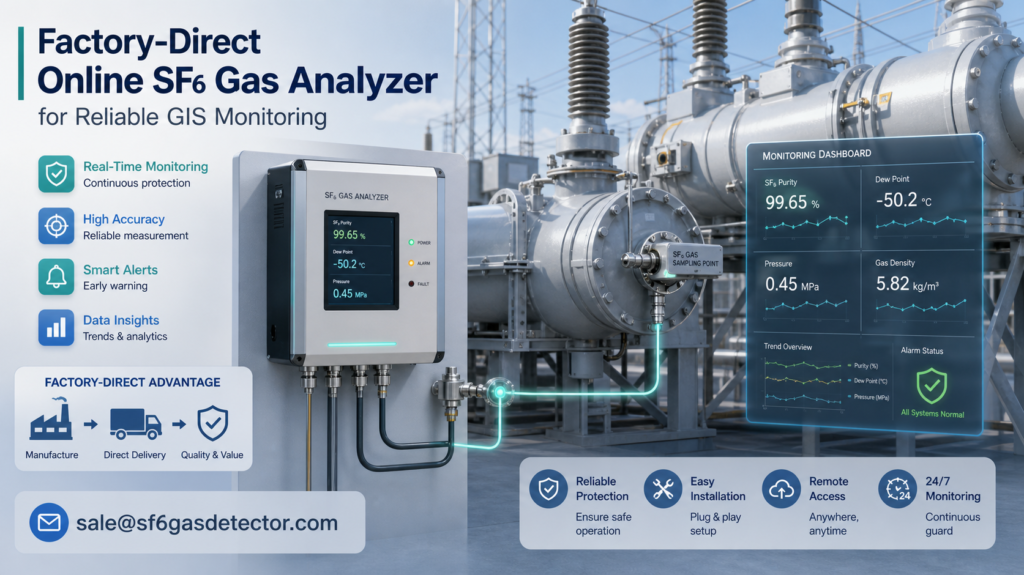
Installation should follow the GIS manufacturer’s approved gas connection procedures and the analyzer supplier’s instructions. Before commissioning, confirm gas compartment identification, sample-point cleanliness, leak-tight fittings, grounding, power supply quality, and communication addressing.
Routine maintenance generally includes verifying sensor status, checking sample flow, inspecting tubing and filters, reviewing alarm logs, and performing calibration or functional verification at the recommended interval. Calibration frequency should be based on sensor technology, operating environment, regulatory requirements, and the site’s maintenance program.
Trend interpretation is as important as measurement. A single abnormal result may require confirmation, while a gradual increase in moisture or decomposition products can provide earlier evidence of a developing condition.
Frequently Asked Questions
Can an online SF6 gas analyzer replace all manual SF6 testing?
Not always. Online monitoring can greatly reduce routine manual testing and improve trend visibility, but confirmatory sampling may still be needed after alarms, maintenance work, major faults, or when required by a site procedure.
Which parameters are most important for GIS monitoring?
SF6 purity, moisture content, gas pressure or density, and selected decomposition products are commonly monitored. The best combination depends on the GIS asset, operating history, and diagnostic objectives.
Does online monitoring cause SF6 gas loss?
A properly designed closed-loop or gas-recovery system minimizes gas release during sampling. The final design should be evaluated against the analyzer’s sampling volume, connection method, and applicable SF6 handling procedures.
How often should an online SF6 gas analyzer be calibrated?
Calibration intervals depend on the sensor type, manufacturer recommendation, operating conditions, and criticality of the asset. Many facilities include calibration verification within their annual or scheduled condition-monitoring program.
An online SF6 gas analyzer for GIS monitoring provides a practical route to stronger asset visibility, earlier fault indication, and more efficient maintenance planning. When specified with the right measurement parameters, gas-handling design, communications, and compliance documentation, it becomes an important component of a modern GIS condition-monitoring strategy.