SF6 Insulating Gas Leak Detector Measuring Range 0-1000ppm: Reliable Monitoring for High-Voltage Equipment
Date
2026-10-21
[email protected]
Website
www.sf6gasdetector.com
Get Solutions And Quotes
Contact Factory
SF6 Insulating Gas Leak Detector Measuring Range 0-1000ppm: Reliable Monitoring for High-Voltage Equipment
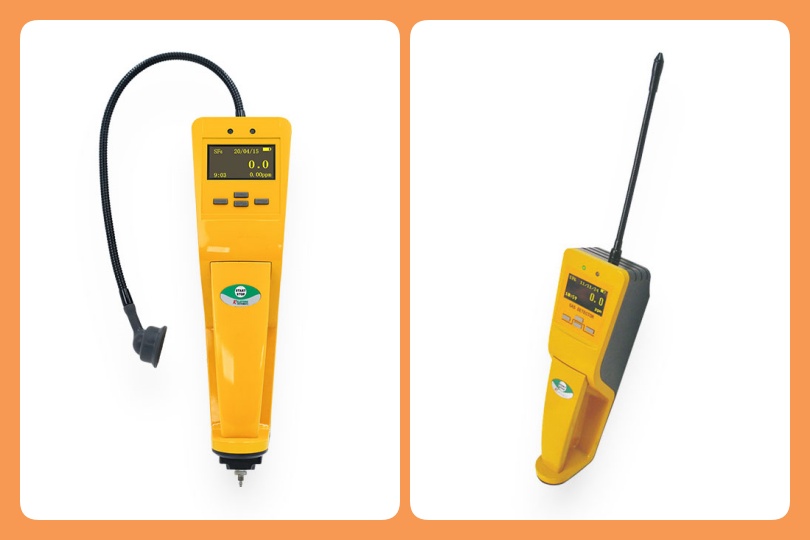
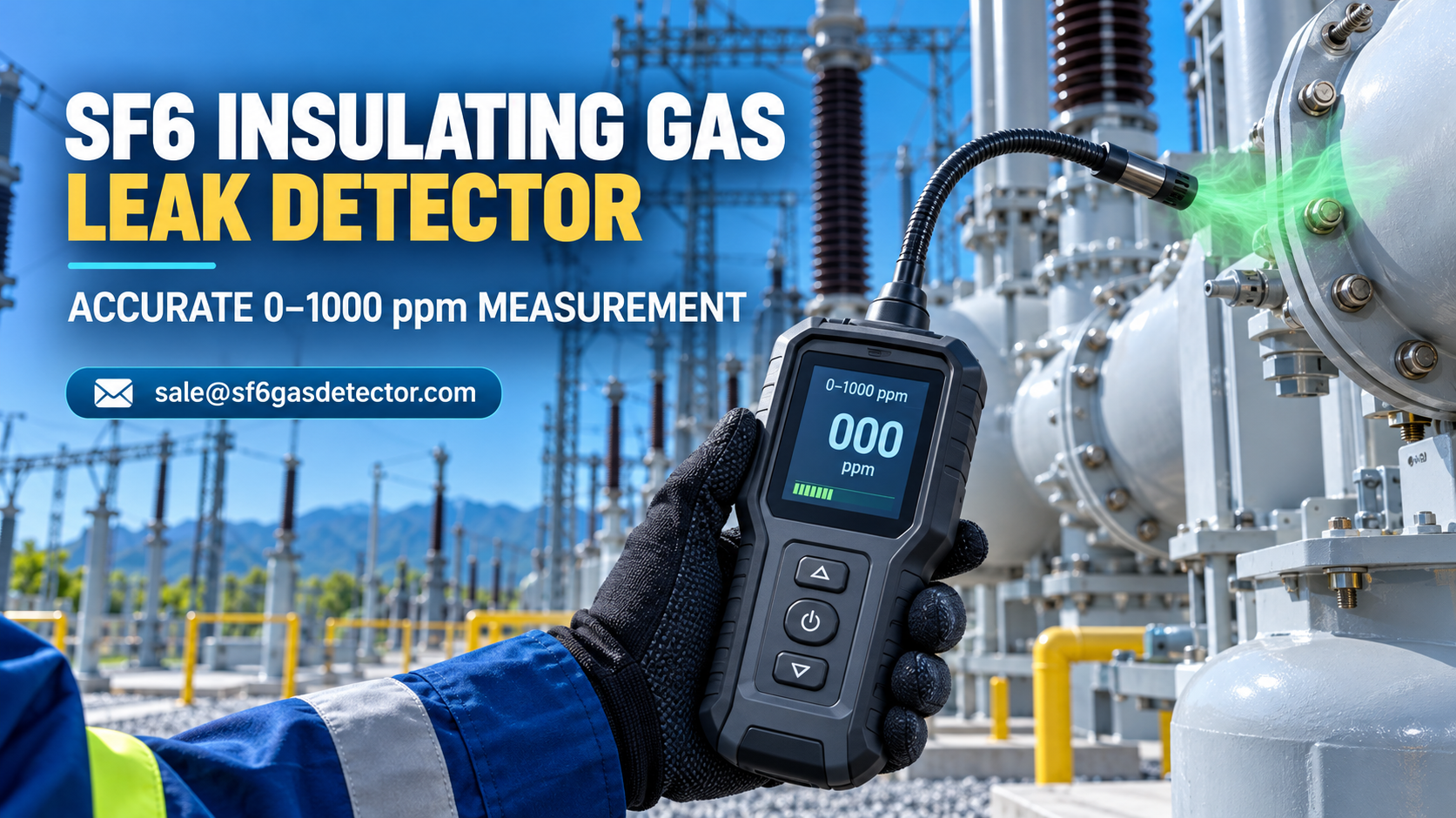
An SF6 Insulating Gas Leak Detector measuring range 0-1000ppm is designed to identify low-level sulfur hexafluoride leakage from gas-insulated electrical equipment before gas loss affects insulation performance, equipment reliability, or regulatory reporting. Used in gas-insulated switchgear (GIS), circuit breakers, gas-insulated lines, transformers, and SF6 handling stations, this instrument provides practical field detection across the concentration range most relevant to routine maintenance and localized leak investigation.
SF6 is widely used because of its excellent dielectric strength and arc-quenching performance. However, it is also a high-global-warming-potential greenhouse gas. Accurate leak detection is therefore essential for asset integrity, environmental management, and responsible SF6 lifecycle control.
Why a 0-1000ppm Measuring Range Matters
A SF6 Insulating Gas Leak Detector measuring range 0-1000ppm offers sensitivity suitable for locating small leaks around flanges, valve stems, pressure gauges, filling ports, sealing rings, welded joints, and gas compartments. The ppm-level range allows maintenance teams to detect gas concentrations in ambient air before a visible pressure decline occurs in the protected equipment.
Unlike simple presence/absence leak indicators, a quantitative 0-1000ppm instrument supports more informed decisions. Operators can compare readings at different locations, prioritize repairs, document maintenance findings, and verify the effectiveness of sealing work after corrective action.
Typical applications include:
- Routine inspection of GIS bays and circuit breaker gas compartments
- Acceptance testing after SF6 equipment installation
- Leak localization during annual preventive maintenance
- Verification after gasket, O-ring, or valve replacement
- SF6 recovery, filling, and handling area monitoring
- Environmental leak management in substations and electrical workshops
Key Performance Parameters for Professional Use
When selecting an SF6 Insulating Gas Leak Detector measuring range 0-1000ppm, users should review the complete measurement specification rather than relying on range alone. A practical industrial detector should combine repeatable measurement, stable response, reliable sampling, and clear data presentation.
Measurement Range and Resolution
A 0-1000ppm range is appropriate for many substation leak-detection tasks. Resolution should be sufficient to distinguish low-concentration changes during close-probe testing. In field work, a detector with stable low-ppm response helps technicians identify minor seepage before it develops into a measurable gas-pressure issue.
Accuracy and Repeatability
Accuracy should be stated under defined operating conditions, including temperature, humidity, calibration gas concentration, and response time. Repeatability is equally important because maintenance personnel often compare readings across multiple points on the same asset. Reliable repeat measurements support consistent maintenance records and reduce unnecessary dismantling.
Response Time and Sampling Method
A probe-based design with controlled airflow is commonly preferred for pinpointing leakage. During inspection, the operator moves the sampling probe slowly around suspected sealing points, allowing sufficient dwell time for the sensor to respond. Fast response and recovery help improve efficiency when checking multiple fittings and compartments.
Alarm Functions and Data Logging
Visual, audible, and vibration alarms can help technicians work effectively in noisy substations or confined equipment areas. Data logging, timestamping, and export functions are valuable for asset-management systems, maintenance reports, and environmental records.
Compliance, Calibration, and Operational Standards
SF6 leak monitoring should be incorporated into an established electrical maintenance and environmental management process. A professional detector supplier should provide traceable calibration procedures, operating instructions, maintenance guidance, and technical support.
Relevant frameworks may include:
- IEC 62271 series for high-voltage switchgear and controlgear applications
- IEC 60376 for technical-grade SF6 used in electrical equipment
- IEC 60480 for the reuse and handling of SF6 in electrical equipment
- ISO 9001 quality management practices for manufacturing consistency
- ISO/IEC 17025 traceability principles when calibration is performed by competent laboratories
- Regional greenhouse-gas and fluorinated-gas requirements, including applicable F-gas rules
The detector itself should be used according to the manufacturer’s instructions and site safety procedures. Calibration intervals should be based on instrument design, frequency of use, environmental conditions, and the criticality of the application. Functional checks before major maintenance campaigns are recommended.
Scenario-Based SF6 Leak Detection Solutions
GIS Flange and Seal Inspection
A GIS compartment may maintain normal pressure while a very small seal leak is beginning to develop. In this case, the SF6 Insulating Gas Leak Detector measuring range 0-1000ppm can be used to scan flange joints, inspection covers, bushings, and density-monitor connections. Technicians should begin with a clean probe, establish a background reading, and inspect each potential leak point systematically.
Circuit Breaker Valve and Filling Port Checks
Circuit breakers often contain service valves, caps, couplings, and filling connections that require periodic attention. After gas handling or maintenance, a low-range SF6 detector can confirm whether valves are fully sealed. This is especially valuable after replacing seals or reconnecting filling hoses.
Verification After Corrective Maintenance
Following gasket replacement or flange tightening, repeat testing provides objective confirmation that the repair has reduced or eliminated detected SF6 concentrations. Documenting before-and-after readings supports quality assurance and helps identify recurring equipment issues.
For project-specific selection support, one-on-one guidance from engineers can help users match the detector configuration, accessories, and calibration approach to their voltage class and maintenance workflow.
Best Practices for Accurate Field Measurements
To obtain meaningful results, avoid testing directly in strong wind, heavy rain, or rapidly changing ventilation conditions where possible. Allow the instrument to warm up and stabilize according to its operating manual. Check the background concentration before approaching the asset, then move the probe at a controlled speed around each suspected joint.
Avoid touching the probe directly to oily surfaces, contaminated seals, or wet areas unless the instrument is specifically designed for those conditions. If elevated readings are detected, repeat the test from different angles and compare with adjacent components. A confirmed reading should be followed by appropriate maintenance planning, not assumptions based on a single scan.
For procurement teams planning a maintenance program, quickly obtain product quotations for suitable 0-1000ppm SF6 monitoring configurations, including probes, carrying cases, calibration options, and service support.
Frequently Asked Questions
What does 0-1000ppm mean on an SF6 leak detector?
It means the instrument measures SF6 concentration in ambient air from 0 to 1,000 parts per million. This range is suitable for identifying and locating many small leaks near high-voltage equipment seals, valves, and fittings.
Can a 0-1000ppm detector replace pressure monitoring?
No. Pressure or density monitoring evaluates the gas condition within a sealed compartment, while an SF6 leak detector identifies SF6 escaping into the surrounding air. The two methods complement each other in a complete maintenance strategy.
How often should an SF6 insulating gas leak detector be calibrated?
Calibration frequency depends on manufacturer recommendations, usage intensity, and quality-system requirements. Many organizations schedule periodic calibration and perform routine functional checks before important inspection work.
Is SF6 leak detection required for environmental compliance?
Requirements vary by country, equipment type, and operating sector. However, documented SF6 leak management is widely recognized as good practice because SF6 is a potent greenhouse gas. Regular monitoring supports preventive maintenance and environmental accountability.
Where should technicians inspect first?
Start with known risk points: flanges, O-rings, density monitor connections, service valves, filling ports, pressure gauges, welded joints, and interfaces disturbed during recent maintenance.