Safe High Voltage Switchgear Decommissioning Service With SF6 Gas Recovery

Date
2026-11-18
[email protected]
Website
www.sf6gasdetector.com
Get Solutions And Quotes
Contact Factory
Safe High Voltage Switchgear Decommissioning Service With SF6 Gas Recovery
A high voltage switchgear decommissioning service with SF6 gas recovery provides a controlled approach to retiring electrical equipment while managing electrical hazards, greenhouse gas emissions, and potentially contaminated materials. For utilities, industrial plants, and infrastructure operators, the objective extends beyond removing obsolete switchgear: the work must preserve site safety, recover insulating gas, maintain waste traceability, and support a documented handover. Effective planning connects electrical isolation, gas assessment, specialist recovery equipment, and authorized downstream treatment.
Why SF6 Recovery Requires Specialist Planning
SF6 provides excellent insulation and arc-quenching performance in many high-voltage circuit breakers and gas-insulated switchgear assemblies. However, it is also a potent, long-lived greenhouse gas. Uncontrolled releases undermine environmental performance and can breach applicable legal requirements.
Equipment condition introduces additional risks. Internal arcing can generate hazardous decomposition products, particularly where moisture is present. SF6 can also displace oxygen in poorly ventilated spaces. Consequently, gas recovery is not simply a pumping operation: it requires electrical safety controls, contamination assessment, suitable ventilation, and competent personnel.
The correct recovery strategy depends on compartment design, gas condition, service history, and the intended destination of the recovered material.
Define the Technical Scope Before Mobilization
A reliable high voltage switchgear decommissioning service with SF6 gas recovery begins with a site survey and an equipment-specific method statement. Tender documents should identify each asset, its operating condition, and the boundary between retained and retired equipment.
Essential Planning Parameters
| Parameter | Information to establish | Operational purpose |
|---|---|---|
| Equipment inventory | Manufacturer, model, voltage rating, serial number, compartment arrangement | Defines scope and interfaces |
| Gas inventory | Nameplate charge, available service records, measured conditions | Supports recovery and container planning |
| Electrical boundaries | Isolation points, adjacent live equipment, earthing locations | Controls electrical exposure |
| Gas condition | Purity, moisture, relevant decomposition indicators | Determines handling and treatment |
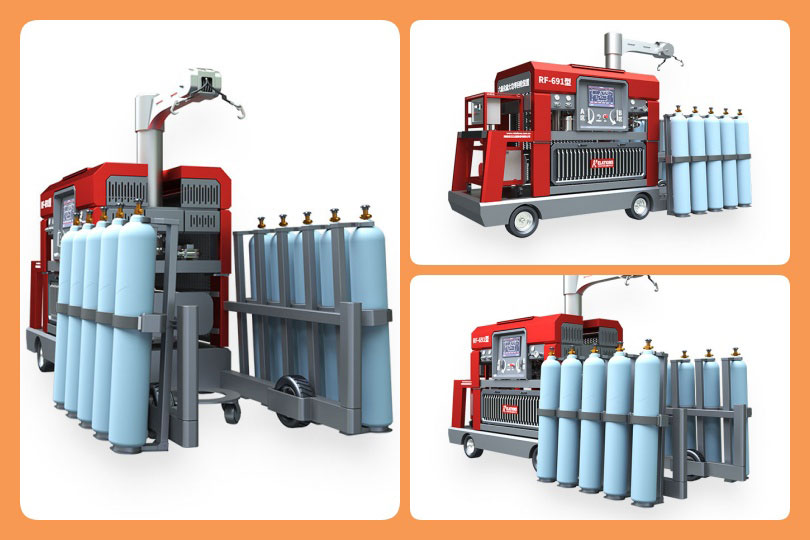
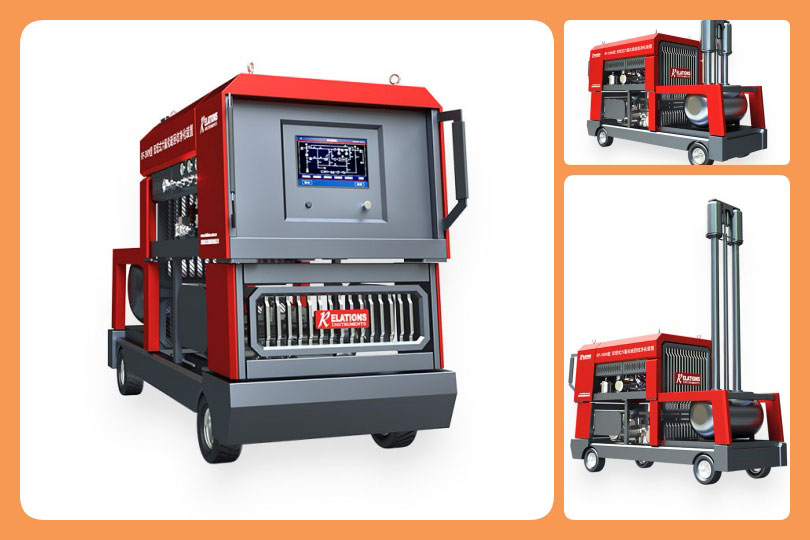
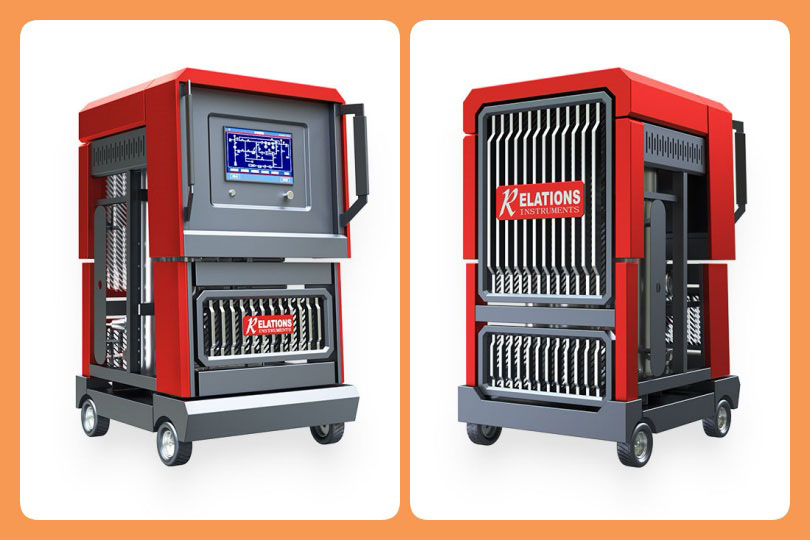
| Recovery equipment | Operating range, compatible connections, filtration, weighing capability | Supports controlled extraction |
| Site constraints | Access, ventilation, lifting capacity, outage duration | Establishes practical sequencing |
| Material destination | Reuse, reclamation, recycling, or authorized destruction | Maintains environmental traceability |
Recovery duration cannot be estimated accurately from voltage rating alone. Gas mass, compartment geometry, temperature, hose arrangement, and recovery-unit performance all influence the schedule.
Set Measurable Acceptance Criteria
Specify the required final compartment pressure, measurement conditions, gas-quality criteria, and documentation deliverables before work starts. These requirements should follow manufacturer instructions, applicable standards, and local obligations—not an unsupported universal recovery percentage.
A gas mass balance should compare available inventory information with weighed recovered quantities and explain discrepancies. Nameplate charge alone is not a reliable measure of actual pre-recovery inventory.
Apply Relevant Standards and Legal Requirements
Compliance depends on jurisdiction, equipment type, and the classification of recovered materials. No single certificate establishes worldwide compliance.
For projects in the European Union, Regulation (EU) 2024/573 establishes relevant obligations concerning fluorinated greenhouse gases, including recovery and personnel requirements. Contractors should verify applicable implementing rules, national enforcement provisions, and transition arrangements.
Relevant technical references include:
- IEC 62271-4: Handling procedures for gases used for insulation and/or switching.
- IEC 60480: Specifications for the reuse of SF6 and its mixtures in electrical equipment.
- IEC 60376: Specifications for technical-grade SF6 and complementary gases used in electrical equipment.
- Applicable electrical safety rules: Including requirements for isolation, verification of absence of voltage, and protective earthing.
- Applicable transport and waste legislation: Including pressure-receptacle requirements and rules governing hazardous materials or cross-border waste movements.
ISO 9001, ISO 14001, and ISO 45001 certifications can provide evidence of established management systems. They do not replace task-specific competence, legally required personnel certification, or waste-handling authorization.
Follow a Controlled Decommissioning Sequence
Establish Electrical and Mechanical Safety
Authorized personnel should isolate the equipment, prevent re-energization, verify absence of voltage, and apply protective earthing as required. Stored mechanical energy, auxiliary supplies, and pressure hazards also require control.
Where adjacent switchgear remains energized, work boundaries and access restrictions must be explicit. Lifting plans should address equipment mass, center of gravity, approved lifting points, and structural limitations.
Recover and Segregate the Gas
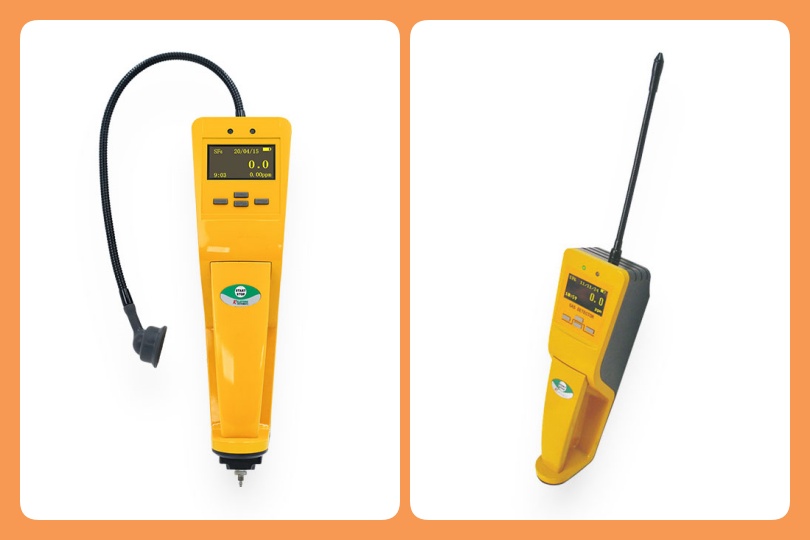
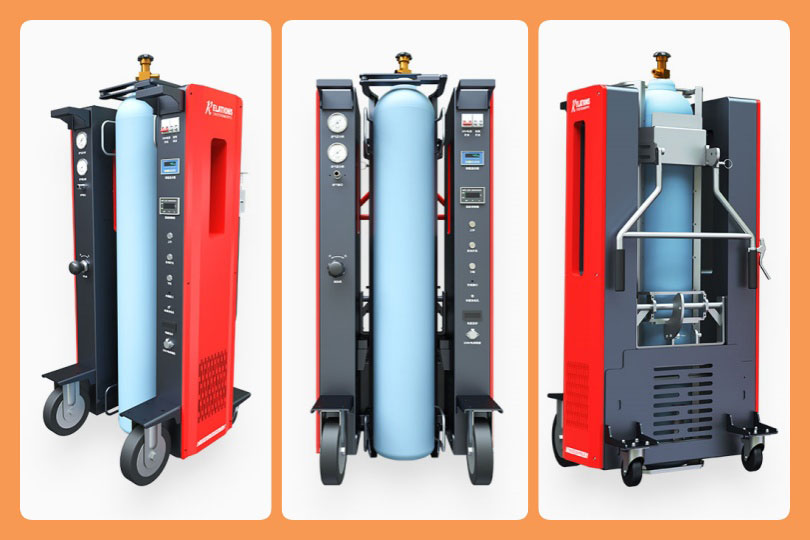
Technicians should assess gas condition using suitable calibrated instruments and connect compatible recovery equipment through leak-tight fittings. Recovery operations should minimize releases, including those associated with sampling, hose disconnection, and residual gas.
Recovered material should enter compatible, approved, labeled containers within permitted filling limits. Suspect or contaminated gas should remain segregated until its treatment route is established. Filtering alone does not demonstrate suitability for reuse.
Dismantle and Document
Opening compartments requires controls appropriate to residual gas and possible decomposition deposits. Protective equipment, cleaning methods, and waste classification should reflect the risk assessment.
The final handover package should include asset identification, recovery records, container references, gas-analysis results where applicable, waste-transfer documentation, and destination records.
Match the Service to the Operating Scenario
For a utility substation replacement, compartment-by-compartment recovery and coordinated outage sequencing can protect adjacent operations.
For an industrial plant shutdown, advance container allocation, verified equipment capacity, and coordinated lifting resources help reduce schedule uncertainty.
For fault-damaged switchgear, contamination assessment takes priority. The plan may require enhanced exposure controls, segregated recovery equipment, and specialist treatment.
For indoor or below-grade installations, ventilation assessment and oxygen-deficiency precautions deserve particular attention.
Frequently Asked Questions
Can recovered SF6 be reused?
Yes, if testing confirms that it meets applicable reuse specifications and equipment requirements. Gas that fails acceptance criteria may require reclamation or authorized destruction.
Can every trace of SF6 be removed?
Absolute removal should not be promised. Recovery has practical limitations. Contractors should document achieved pressure, recovered mass, measurement conditions, and residual-gas controls.
What should a service quotation include?
A quotation for a high voltage switchgear decommissioning service with SF6 gas recovery should cover isolation responsibilities, recovery scope, testing, containers, dismantling, transport, treatment, exclusions, and handover records.
A Defensible Basis for Asset Retirement
Successful switchgear retirement combines verified isolation, controlled SF6 recovery, competent dismantling, and traceable material management. Procurement decisions should favor demonstrable technical capability and measurable deliverables over vague environmental claims. This approach gives asset owners a practical basis for safe execution, regulatory accountability, and responsible infrastructure renewal.