Transformer Insulation Maintenance: SF6 Gas Testing to Prevent Failures
Date
2026-08-28
[email protected]
Website
www.sf6gasdetector.com
Get Solutions And Quotes
Contact Factory
Transformer Insulation Maintenance: SF6 Gas Testing to Prevent Failures
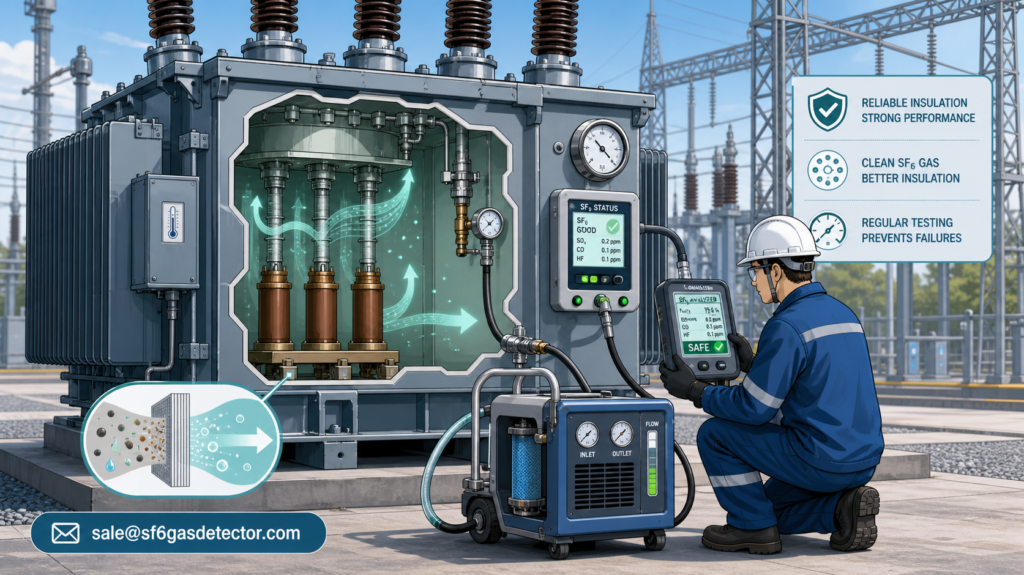
Transformer Insulation System Maintenance is essential for maintaining dielectric strength, operational reliability, and service life in high-voltage equipment. For SF6-insulated transformers, periodic gas testing and purification are particularly important because the insulating gas can gradually accumulate moisture, decomposition by-products, and airborne contaminants. Effective gas testing and purification for SF6-insulated transformers helps operators identify insulation risks early, restore gas quality, and prevent avoidable degradation of insulation performance.
SF6 gas offers excellent dielectric strength and arc-quenching capability, making it suitable for compact gas-insulated transformer designs. However, its performance depends on gas purity, pressure, moisture level, and the condition of internal insulation components. A disciplined Transformer Insulation System Maintenance program should therefore combine routine inspection, laboratory-quality gas analysis, purification, leak control, and documented compliance procedures.
Why SF6 Gas Quality Affects Transformer Insulation Performance
SF6 is chemically stable under normal operating conditions, but electrical discharges, overheating, moisture ingress, and internal faults can change its condition. Partial discharge or arcing may generate decomposition products such as sulfur fluorides, sulfur dioxide, hydrogen fluoride, and other reactive compounds. These contaminants can affect insulation surfaces, accelerate corrosion, and increase the risk of dielectric failure.
Moisture is another critical concern. Excess water vapor can reduce the dielectric capability of SF6, encourage condensation under unfavorable temperature conditions, and contribute to degradation of solid insulation materials. In sealed transformer systems, moisture may enter through leakage, incomplete gas-handling practices, damaged seals, or aging components.
Gas testing and purification for SF6-insulated transformers provides a practical method for controlling these risks. It allows maintenance teams to verify whether the gas remains suitable for service and whether corrective action is required before insulation performance becomes compromised.
Key Parameters in SF6 Gas Testing
A professional Transformer Insulation System Maintenance plan should define testing intervals according to equipment voltage class, operating environment, manufacturer recommendations, loading conditions, and historical test results. Testing is commonly performed during scheduled maintenance, after internal fault events, following gas handling, and when abnormal alarms or pressure changes occur.
SF6 Purity
Gas purity indicates the percentage of SF6 within the gas compartment. Reduced purity may result from air ingress, improper filling practices, or contamination during maintenance. While acceptable limits should follow the transformer manufacturer’s specifications and applicable operating procedures, a significant decline in purity should trigger a detailed investigation.
Moisture Content
Moisture is commonly measured as dew point or parts per million by volume. Low moisture content supports stable dielectric performance and protects internal insulation systems. Trend analysis is often more valuable than a single reading: a rising moisture pattern can indicate leakage, contamination, or deterioration of adsorbent materials.
Decomposition Products
Testing for decomposition products is especially important after suspected fault activity, switching events, or partial discharge indications. These substances may be hazardous and corrosive, so sampling and handling must follow recognized safety procedures. Test results can help engineers distinguish between normal aging and abnormal internal electrical activity.
Gas Pressure and Density
SF6 density or pressure monitoring confirms that the transformer retains sufficient insulating gas for its rated operating conditions. Pressure must always be interpreted with temperature compensation. A recurring density reduction may indicate a leak that requires prompt location and repair.
Periodic Gas Testing and Purification Procedures
Gas testing and purification for SF6-insulated transformers should be performed using calibrated instruments, clean sampling connections, and contamination-controlled procedures. Improper sampling can introduce air or moisture into the system and produce misleading results.
A typical maintenance process includes:
- Reviewing operational records, gas pressure trends, alarms, and prior analysis reports.
- Checking gas compartments, seals, valves, pressure-relief devices, and monitoring equipment.
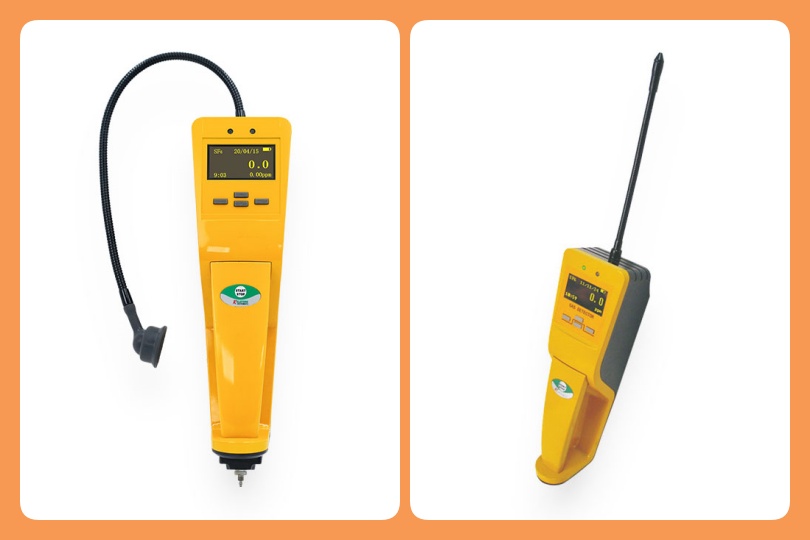
- Taking representative gas samples or using direct portable analyzers for purity, moisture, and decomposition-product testing.
- Comparing results with manufacturer limits, internal maintenance criteria, and applicable IEC-based operating practices.
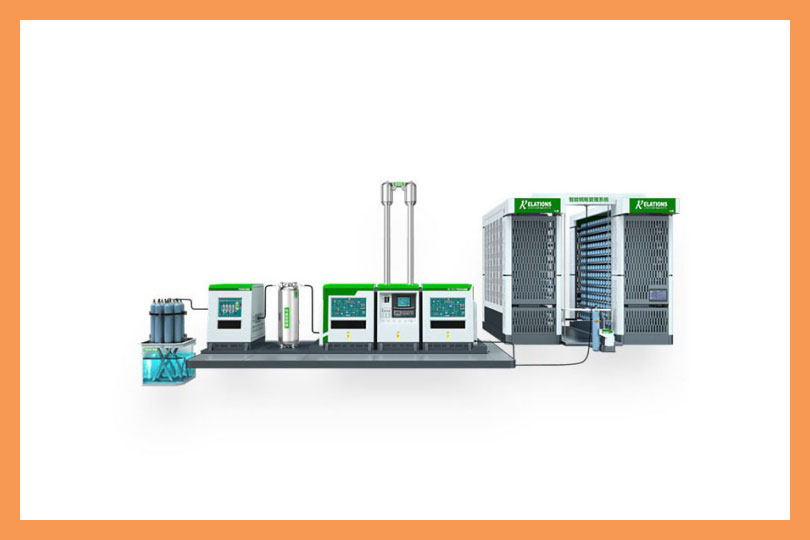
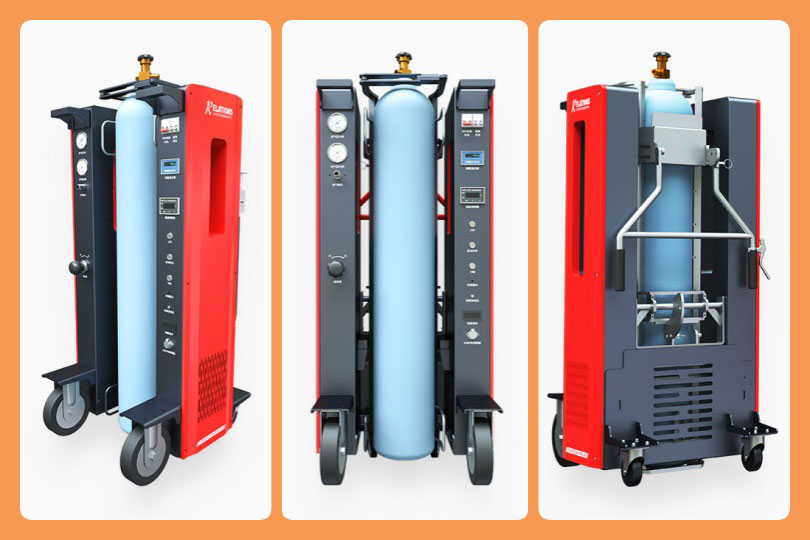
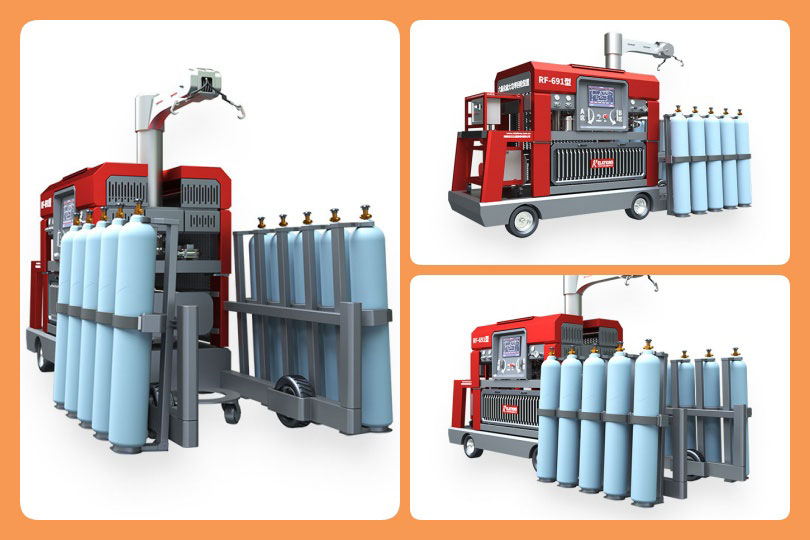
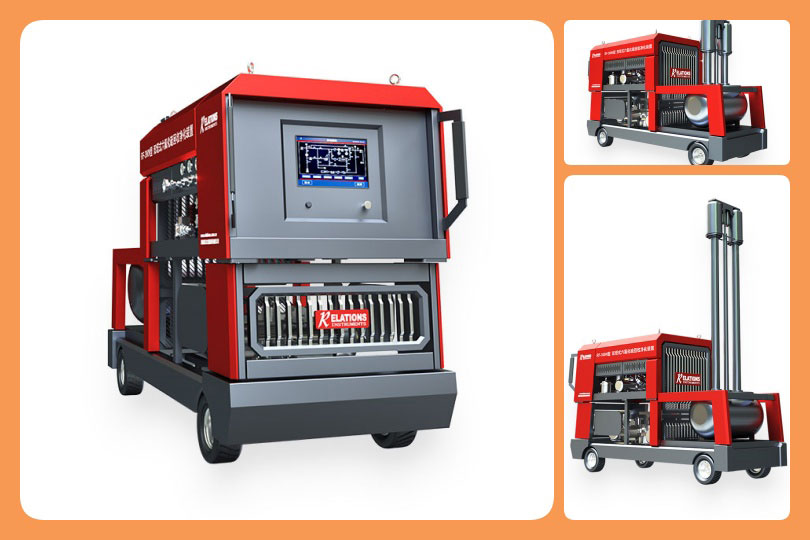
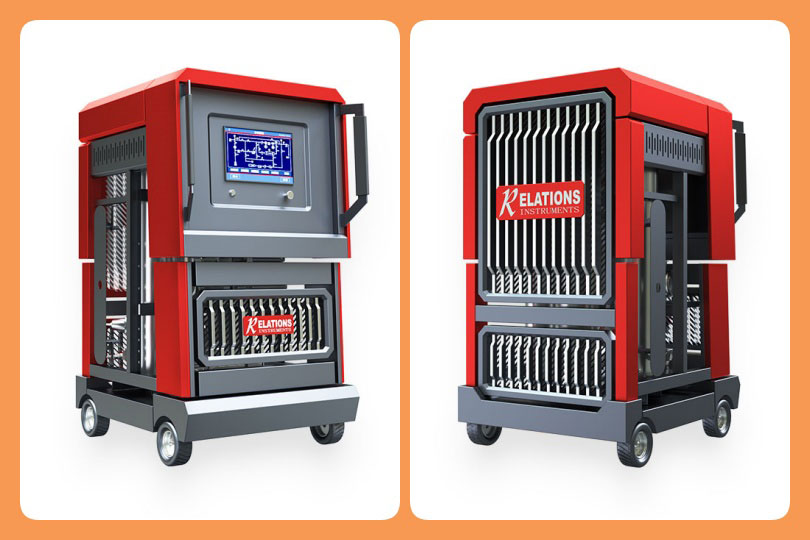
- Recovering contaminated SF6 using closed-loop handling equipment when purification is required.
- Filtering particulates, removing moisture, separating contaminants, and verifying gas quality before return to service.
- Recording all gas quantities, test results, recovery activities, and corrective actions for traceability.
For a site-specific assessment or one-on-one guidance from engineers, maintenance teams should provide the transformer voltage rating, gas volume, operating history, and available gas-analysis records.
Purification Methods for Contaminated SF6
Purification is not simply a refill operation. The selected process must address the actual contamination type and ensure that recovered gas meets the required quality criteria before reuse. Modern gas-handling units typically use vacuum systems, particle filtration, molecular sieves, and adsorbent materials to remove water vapor, oil residues, acidic by-products, and solid contaminants.
Moisture Removal
Vacuum drying and desiccant-based treatment are commonly used to lower moisture content. Before refilling, the gas compartment itself may also require evacuation and drying if moisture ingress has affected internal surfaces or insulation components.
Removal of Decomposition By-Products
After electrical faults, gas purification may require specialized filters and adsorbents designed to capture reactive and acidic decomposition products. Personnel must use appropriate personal protective equipment, as certain SF6 by-products can be harmful when inhaled or when in contact with skin.
Particle and Oil Filtration
Mechanical particles, metallic dust, and oil contaminants can negatively affect electric-field distribution and may contribute to partial discharge. Fine filtration supports cleaner gas conditions and helps preserve the integrity of internal insulation.
Compliance, Safety, and Environmental Responsibility
Transformer Insulation System Maintenance should align with applicable international standards, manufacturer instructions, and local environmental requirements. Relevant technical references may include IEC 60480 for the reuse and handling of SF6, IEC 60376 for new technical-grade SF6, IEC 62271-4 for handling procedures, and IEC 60422 principles where insulating-fluid maintenance practices are relevant.
SF6 is a potent greenhouse gas, so emissions control is a core operational responsibility. Closed-loop recovery equipment, leak detection, documented gas inventories, trained technicians, and proper recycling or disposal channels help reduce environmental impact. Maintenance personnel should never vent SF6 directly to the atmosphere.
For planned maintenance shutdowns, operators can quickly obtain a product quotation for gas analyzers, recovery systems, purification equipment, and related technical support.
Scenario-Based Maintenance Recommendations
For transformers operating in humid coastal regions, frequent moisture monitoring and seal inspections are especially important. In industrial facilities with high vibration, routine checks of flanges, fittings, and pressure-monitoring devices can reduce leakage risks. Where equipment has experienced fault currents, unexpected trips, or partial-discharge alarms, immediate gas analysis should be integrated with electrical diagnostic testing.
A condition-based approach is often the most effective strategy. Rather than relying only on fixed maintenance intervals, operators should evaluate gas-analysis trends, leak history, loading conditions, and alarm data. This approach improves maintenance planning while reducing unnecessary gas handling.
Frequently Asked Questions
How often should SF6 gas be tested in an insulated transformer?
Testing frequency depends on the transformer design, voltage level, operating conditions, manufacturer guidance, and previous gas results. Many operators conduct periodic checks during annual or multi-year maintenance cycles, while high-risk or critical assets may require more frequent monitoring.
Can contaminated SF6 be reused after purification?
Yes, provided that the gas is properly recovered, treated, tested, and verified against the applicable quality requirements. Reuse should follow approved handling procedures and documented test acceptance criteria.
What are the warning signs of SF6 insulation degradation?
Common warning signs include declining gas density, increasing moisture readings, reduced SF6 purity, abnormal decomposition-product levels, repeated leakage, partial-discharge indications, and unexplained operational alarms.
Does gas purification eliminate the need for transformer inspection?
No. Gas purification is one part of Transformer Insulation System Maintenance. Operators should also inspect sealing systems, monitoring devices, bushings, electrical connections, internal diagnostic data, and the broader condition of the transformer.
Consistent gas testing and purification for SF6-insulated transformers protects dielectric performance, supports regulatory compliance, reduces unplanned downtime, and extends equipment life. By combining accurate testing, controlled purification, leak prevention, and trend-based maintenance decisions, asset owners can maintain safer and more reliable transformer operation.